Guinea-Bissau Grassroots Initiative Sets New Standard for Mangrove Restoration
Local communities in Baraca are leading a successful, evidence-based model to restore vital coastal ecosystems and protect biodiversity.
PENN Explainer
Hear this story explained in 90 seconds.
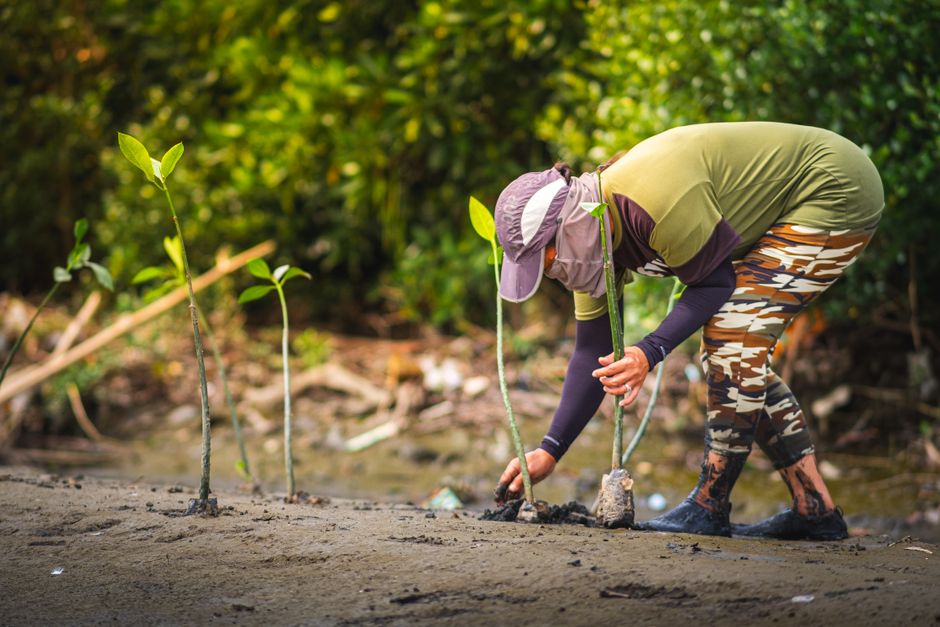
Coastal communities in the village of Baraca, Guinea-Bissau, have launched a grassroots initiative to restore degraded mangrove forests. This project focuses on community-led conservation to address the loss of vital coastal ecosystems that protect against erosion and support local fisheries. By involving residents directly in the planting and monitoring process, the initiative ensures that restoration efforts are tailored to the specific needs of the local environment. The program serves as a practical model for how small-scale, community-driven actions can contribute to global environmental goals.
Mangroves are essential for maintaining healthy coastal zones because they act as natural barriers against storm surges and provide nurseries for diverse marine life. In many parts of the world, these forests have faced significant decline due to human activity and climate-related pressures. The Baraca project aims to reverse this trend by systematically replanting native mangrove species in areas that have been cleared or damaged. This approach relies on traditional knowledge combined with modern ecological practices to maximize the survival rate of new saplings.
Local participation is the cornerstone of the restoration strategy in Baraca. Residents are trained in sustainable planting techniques and are responsible for the ongoing maintenance of the restored sites. This hands-on involvement fosters a sense of ownership among community members, which is critical for the long-term success of the project. By empowering local people to manage their own natural resources, the initiative creates a sustainable cycle of conservation that does not depend on external intervention.
Evidence from the project indicates that the restored mangroves are already beginning to provide measurable benefits to the local ecosystem. Researchers have observed an increase in the variety of fish and crustacean species returning to the area, which directly supports the livelihoods of local fishers. These findings suggest that the restoration of mangrove habitats can have a positive impact on both environmental health and economic stability. The success of this initiative highlights the importance of integrating local expertise into broader conservation frameworks.
Abdoulaye Ndiaye, a researcher involved in documenting the project, noted that the grassroots efforts in Guinea-Bissau offer a blueprint for global mangrove restoration. He emphasized that the success of such programs depends on the active engagement of the people who live closest to the resources. By prioritizing community-led models, other regions facing similar challenges can learn from the strategies implemented in Baraca. This approach demonstrates that effective conservation is often rooted in local action and collaboration.
The project also serves as an educational platform for the younger generation in the region. By participating in the restoration process, students learn about the importance of biodiversity and the role of mangroves in climate resilience. This focus on education ensures that the knowledge and skills required for environmental stewardship are passed down to future leaders. The initiative is not just about planting trees; it is about building a culture of sustainability within the community.
Financial and technical support for the project has been provided by organizations such as the EcoLogic Development Fund. This partnership has allowed the community to access the resources needed to scale their efforts and monitor the progress of the restoration sites. Such collaborations are essential for providing the necessary infrastructure to support local initiatives. The partnership model used in Baraca shows how international support can effectively empower local communities to achieve their conservation goals.
One of the key challenges addressed by the project is the long-term monitoring of the restored areas. The community has established a system to track the growth and health of the mangroves, which provides valuable data for future planning. This data-driven approach allows the organizers to adjust their methods based on real-time observations and environmental conditions. By maintaining a rigorous monitoring schedule, the project ensures that the restoration efforts remain effective over time.
The success of the Baraca initiative has attracted attention from conservationists and policymakers interested in scalable solutions for coastal protection. Many are looking to this project as a case study for how to implement similar programs in other parts of the world. The ability to replicate these results in different geographic contexts is a primary goal for those involved in the initiative. As the project continues to expand, it provides a clear example of how local action can lead to significant environmental progress.
Looking ahead, the community plans to expand the restoration efforts to neighboring coastal areas that are also in need of intervention. This expansion will require continued support and the involvement of more local stakeholders to ensure the same level of success. The long-term vision is to create a network of restored mangrove forests that can provide a continuous buffer along the coast of Guinea-Bissau. This ambitious goal reflects the commitment of the residents to securing a healthy and productive future for their environment.
Ask the Author
Subscribers can ask the journalist a question about this story. Subscribe to ask.
Note de neutralité
Auto-harvested from global news wires and presented neutrally by PENN.
to vote
Comments
No comments yet — be the first to share your thoughts.