High-Altitude Himalayan River Survey Detects Elusive Wildlife Using Environmental DNA in Bhutan
Testing of water samples from the Paa Chhu River identifies snow leopards and nineteen other mammal species, demonstrating the expanding role of local genetic analysis in conservation.
PENN Explainer
Hear this story explained in 90 seconds.
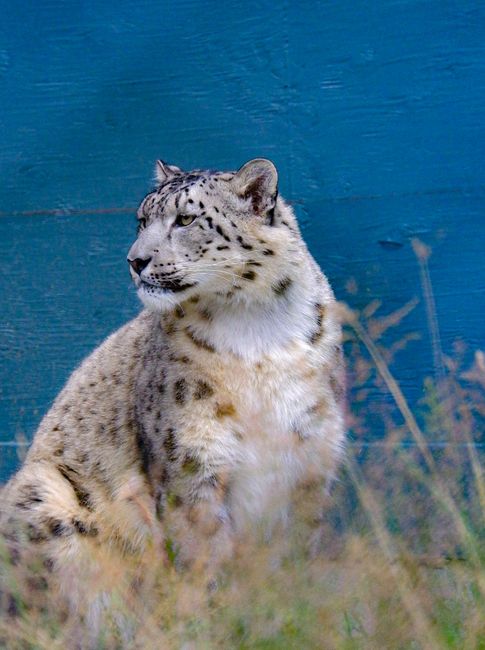
Wildlife biologists working in the high-elevation valleys of the Eastern Himalayas have successfully documented twenty wild mammal species, including the elusive snow leopard, through the collection and analysis of environmental DNA. The scientific team gathered water samples along the Paa Chhu River in Bhutan, targeting remote stretches of river where rugged alpine terrain makes conventional field surveys exceptionally difficult.
Environmental DNA, commonly referred to as eDNA, consists of microscopic genetic material shed by living creatures into their surrounding environment through hair, skin flakes, saliva, urine, and scat. By extracting and sequencing genetic markers from simple water samples, scientists can catalog which species inhabit or visit an ecosystem without having to physically capture, handle, or visually photograph the animals.
Beyond confirming the presence of the threatened snow leopard, the Paa Chhu River analysis yielded surprising detections across a variety of other mammals. Among the species identified was the rare woolly flying squirrel, an animal known for its sparse population and secretive habits. The testing also detected sambar deer living at record-breaking elevations, providing biological proof that large ungulates regularly navigate habitat zones higher than previously recorded by regional trackers.
In total, researchers identified nineteen mammal species alongside the snow leopard from the Paa Chhu catchment area. The findings illustrate how cold glacier-fed rivers act as continuous environmental sinks, carrying biological traces from surrounding ridges, alpine meadows, and dense high-altitude forests through remote mountain corridors.
The research represents a major practical milestone for regional ecological stewardship following the establishment of Bhutan's first dedicated national eDNA laboratory. Previously, biological samples gathered across Himalayan research expeditions had to be exported abroad for chemical extraction and sequencing, a logistical hurdle that introduced lengthy delays and significant recurring expenses.
With national laboratory infrastructure now operating directly inside Bhutan, domestic researchers can process genetic materials quickly and independently. This localized capability allows park wardens and conservation planners to track animal distributions, monitor seasonal migrations, and assess species vulnerability across isolated landscapes in near-real time.
Snow leopards remain classified as vulnerable on the International Union for Conservation of Nature Red List of Threatened Species. The solitary predators face persistent hazards across their Asian mountain range, including habitat fragmentation, retaliatory killing by livestock herders, poaching, and the loss of natural alpine prey driven by regional climate shifts.
Neighboring countries in the Himalayas have also intensified monitoring programs to establish more reliable baseline population figures. Nepal recently completed its first systematic national survey using formal sign tracking and habitat modeling, estimating a stable population of approximately 397 snow leopards nationwide. Combined with genetic assays, such field initiatives offer wildlife managers clearer benchmarks to assess long-term survival trends.
Conservation planners emphasize that protecting apex predators like snow leopards safeguards broader alpine ecosystems that regulate vital water supplies for millions of people downstream. Pristine headwaters such as the Paa Chhu River support delicate food webs where both rare rodents and large carnivores depend on intact mountain corridors that remain free from excessive human encroachment.
Biologists intend to expand eDNA sampling to additional river basins and tributary networks across the Eastern Himalayas throughout upcoming survey cycles. By assembling an extensive digital library of local species profiles, wildlife agencies aim to design precise protected-area corridors and adjust resource management decisions based on concrete genetic evidence.
Ask the Author
Subscribers can ask the journalist a question about this story. Subscribe to ask.
中立性の注記
Auto-harvested from global news wires and presented neutrally by PENN.
to vote
Comments
No comments yet — be the first to share your thoughts.