Historic Klamath River Restoration Concludes as Major Dam Removal Opens Key Salmon Migration Corridors
The largest dam decommissioning in United States history concludes along the California-Oregon border, restoring free-flowing waters for indigenous fish species.
PENN Explainer
Hear this story explained in 90 seconds.
Work has concluded on the historic deconstruction of four massive hydroelectric dams along the Klamath River, completing the largest dam removal project in United States history. The ambitious engineering initiative, managed by the non-profit Klamath River Renewal Corporation, opened approximately 400 miles of vital upstream river and tributary habitat across Northern California and Southern Oregon. For over a century, these structures disrupted natural hydrological cycles and blocked migrating native fish from reaching their ancestral spawning grounds.
The decommissioned installations—known as Copco No. 1, Copco No. 2, J.C. Boyle, and Iron Gate—were originally built between 1918 and 1962 by utility company PacifiCorp to generate regional electricity. Over several decades, the impounded waters created artificial reservoirs that suffered from high summer water temperatures and toxic algae blooms. These conditions severely degraded aquatic ecosystems and triggered drastic population declines among native chinook salmon, coho salmon, and steelhead trout.
The push to dismantle the barriers gained substantial momentum after a devastating 2002 fish kill in the lower Klamath Basin claimed tens of thousands of adult migrating salmon. A wide coalition featuring regional Indigenous tribes, conservation groups, commercial fishing associations, and state agencies campaigned for river restoration. Formal negotiations culminated in the amended Klamath Hydroelectric Settlement Agreement, which transferred operational licenses to the purpose-built Klamath River Renewal Corporation to oversee the controlled removal.
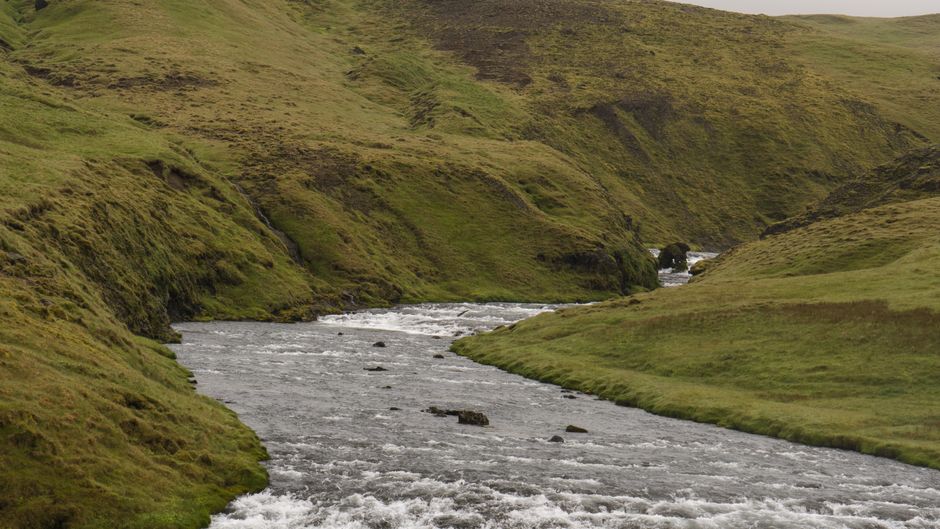
The logistical removal process began in early 2023 with the demolition of the Copco No. 2 diversion facility. By early 2024, specialized crews initiated the controlled drawdown of reservoirs behind the remaining three dams, allowing decades of accumulated sediment to steadily flush downstream into the Pacific Ocean. Heavy machinery dismantled large concrete spillways, earthen embankments, and powerhouses throughout mid-2024, ultimately returning the Klamath River to its free-flowing channel.
Shortly after the main river channel reopened, fisheries biologists and monitoring teams recorded returning fall-run chinook salmon navigating stretches upstream of the former dam footprints. Underwater cameras, biological tagging, and river surveys confirmed adult salmon migrating into tributaries that had been inaccessible for generations. Scientists highlighted these early sightings as an encouraging sign of biological resilience in recovering aquatic ecosystems.
Tribal nations native to the basin, including the Yurok Tribe, the Karuk Tribe, and the Klamath Tribes, played a central role throughout the decades-long process. Tribal leadership emphasized that returning the river to its natural course is vital for regional ecological balance, tribal food sovereignty, and cultural preservation. Indigenous forestry and water crews are currently actively employed in leading long-term ecological rehabilitation along the drained basin lands.
While conservationists and tribal governments celebrated the river's reconnection, the dam removal project also drew skepticism from some local property owners and agricultural communities. Residents living around the former reservoirs voiced concerns regarding reduced water access for private wells, structural shifts in regional firefighting water sources, and changes in lakeshore property values. Basin farmers and irrigators also underscored the ongoing necessity of reliable water allocations during drought-prone growing seasons.
Project managers and state officials from California and Oregon established specialized mitigation funds to address private infrastructure impacts, such as replacing compromised residential water wells. Emergency services installed dedicated dry fire hydrants and new regional dipping points to ensure water access for aerial firefighting helicopters remained intact. Federal water administrators also continue balancing annual storage distributions across the upper agricultural basin.
The Klamath initiative has now transitioned into a massive multi-year revegetation and environmental repair phase. Field crews and botanical technicians are planting millions of native seeds, including regional grasses, oaks, and shrubs, across roughly 2,200 acres of exposed reservoir lakebeds. These extensive plantings are designed to stabilize loose riverbed soils, prevent noxious weed invasions, and shade recovering riverbanks.
Ecologists and natural resource agencies around the world are closely observing the Klamath River project as a benchmark for large-scale watershed restoration. With aging dam infrastructure posing increasing maintenance costs and environmental challenges globally, the successful completion of the Klamath removals offers technical data on how to balance regional infrastructure needs with biological conservation.
Ask the Author
Subscribers can ask the journalist a question about this story. Subscribe to ask.
Заметка о нейтральности
Auto-harvested from global news wires and presented neutrally by PENN.
to vote
Comments
No comments yet — be the first to share your thoughts.