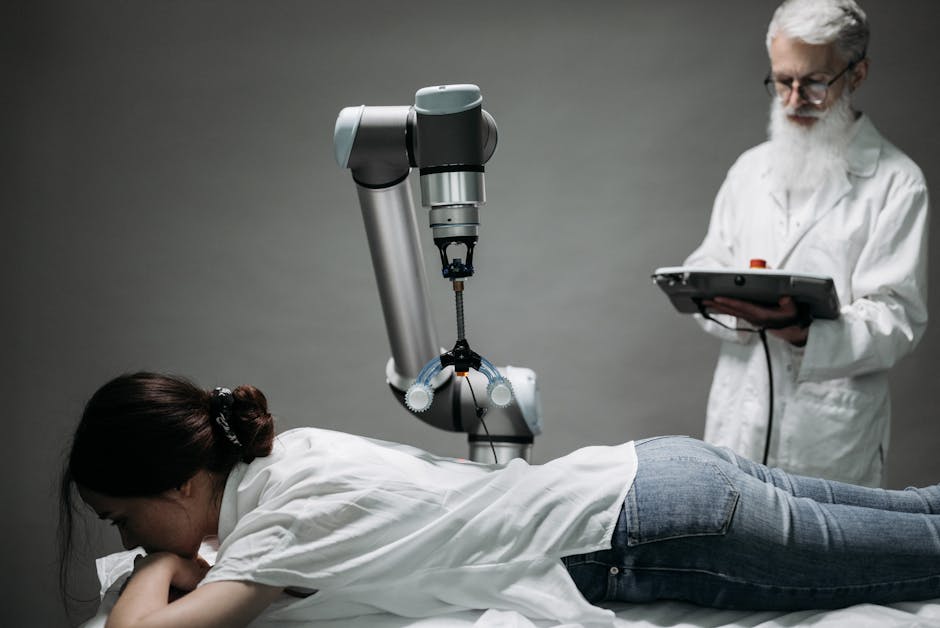
Hospitals Form New Consortium to Accelerate Diagnostic AI Integration
A new partnership aims to streamline the use of artificial intelligence in medical imaging to improve patient outcomes and hospital efficiency.

PENN Explainer
Hear this story explained in 90 seconds.
A group of leading hospitals has officially launched the Diagnostic AI Consortium to speed up the adoption of artificial intelligence in medical settings. The initiative focuses on integrating AI-powered platforms directly into existing hospital workflows to enhance the speed and accuracy of diagnostic imaging. By working together, these healthcare institutions hope to overcome common barriers that currently slow the implementation of new medical technologies. Elad Walach, the co-founder and CEO of the AI healthcare company Aidoc, is a key figure in this collaborative effort.
He stated that the partnership is designed to spur the greater use of AI and to develop practical solutions that mesh with hospital workflows. The consortium aims to create standardized techniques that will lead to better and faster diagnoses for patients across the board. This development comes as the healthcare industry faces increasing pressure to manage rising patient volumes while maintaining high standards of care. AI-powered tools are already being used to assist clinicians in interpreting complex medical images, such as those from ultrasound or radiology scans.
The consortium intends to build upon these existing successes by fostering a more unified approach to technology deployment. Experts believe that such cooperation is essential for ensuring that AI tools are both reliable and easy for medical staff to use in high-pressure environments. The initiative also addresses the need for consistent data quality and algorithmic robustness in clinical settings. As hospitals continue to invest in digital transformation, the focus is shifting toward tools that provide real-time, actionable insights.
The Diagnostic AI Consortium plans to share findings and best practices to help other institutions navigate the complexities of AI integration. This collaborative model could serve as a blueprint for future efforts to modernize healthcare infrastructure through advanced machine learning. The long-term goal remains the improvement of patient outcomes through more precise and timely medical interventions.
Ask the Author
Subscribers can ask the journalist a question about this story. Subscribe to ask.
Neutrality note
Auto-harvested from global news wires and presented neutrally by PENN.
to vote
Comments
No comments yet — be the first to share your thoughts.