
Hungarian Parliament Launches Sweeping Probes into Former Administration
New investigative committees will examine allegations of systemic corruption and the misuse of public funds under the previous government.
PENN Explainer
Hear this story explained in 90 seconds.
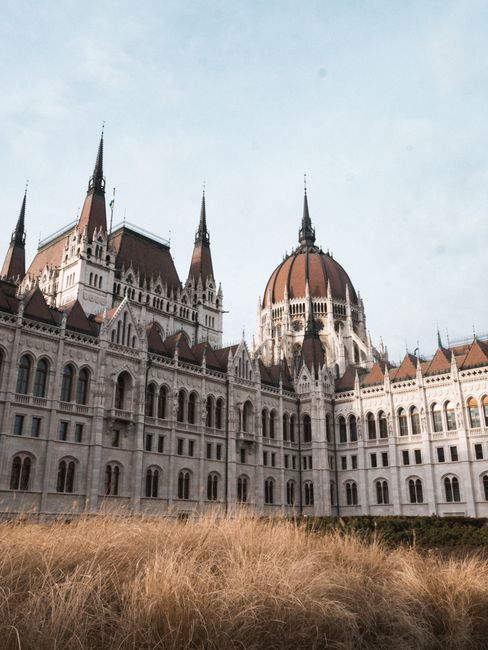
The Hungarian Parliament has officially initiated a series of investigative committees to scrutinize the actions of the previous government led by Viktor Orbán. Prime Minister Péter Magyar announced the move on Tuesday, signaling a significant shift in the nation's approach to government accountability. The committees are tasked with uncovering evidence of potential corruption and abuses of power that occurred during the former administration's tenure.
At the center of the inquiry is the suspected misappropriation of public funds managed by the National Bank of Hungary. This specific case, which is already the subject of an active police investigation, reportedly involves hundreds of millions of dollars in public assets. Lawmakers aim to determine how these funds were allocated and whether they were diverted for unauthorized purposes.
Prime Minister Magyar emphasized that the formation of these six parliamentary committees is a necessary step toward restoring public trust in state institutions. He stated that the government is committed to a transparent process that follows the evidence wherever it leads. The committees have been granted the authority to review internal documents and summon witnesses to testify regarding their findings.
This legislative action follows years of public debate regarding the transparency of financial management within the Hungarian state. Critics of the previous administration have long alleged that institutional failures allowed for the misuse of taxpayer money without sufficient oversight. The new committees represent the first formal, government-led effort to systematically audit these claims.
Legal experts note that the scope of these investigations is unprecedented in recent Hungarian history. By focusing on the National Bank and other key state entities, the committees intend to map out the decision-making processes that governed large-scale financial transactions. The findings are expected to provide a clearer picture of how public resources were handled during the previous decade.
While the investigations are in their early stages, the political impact is already being felt across the country. Supporters of the initiative argue that it is a vital exercise in democratic accountability, while others are watching closely to see if the process remains strictly focused on factual evidence. The government has pledged to release findings to the public as the committees complete their work.
Transparency advocates have welcomed the move as a potential turning point for anti-corruption efforts in the region. They suggest that the success of these committees will depend on their ability to operate independently and without political interference. The international community is also monitoring the situation, as the outcome could influence future governance standards in Hungary.
As the committees begin their work, they face the challenge of navigating complex financial records and institutional structures. Investigators will need to verify the flow of funds through various state-linked accounts to identify any irregularities. This process is expected to take several months, given the volume of documentation involved in the inquiry.
Beyond the financial allegations, the committees are also expected to examine broader questions of administrative conduct. This includes reviewing how public contracts were awarded and whether proper procurement procedures were followed. The goal is to identify systemic weaknesses that may have facilitated the alleged misconduct.
Ultimately, the work of these committees will determine whether formal charges are brought against specific individuals or entities. The results of the investigations could lead to significant legal consequences and potential reforms to the national banking system. For now, the focus remains on gathering the facts and ensuring that the inquiry is conducted with thoroughness and impartiality.
Ask the Author
Subscribers can ask the journalist a question about this story. Subscribe to ask.
Nota di neutralità
Auto-harvested from global news wires and presented neutrally by PENN.
to vote
Comments
No comments yet — be the first to share your thoughts.
Related stories in Investigative
Paraguayan Prosecutors Pursue Money Laundering Charges Against Former Senator Edgardo Kueider
2026-10-07
French Gambling Tech Firm Fined for Bribery Scheme in Mali
2026-10-07