Politicsen
Icelandic Voters Reject Renewed European Union Membership Negotiations
Citizens of Iceland have formally declined a proposal to restart talks regarding potential accession to the European Union.

PENN Explainer
Hear this story explained in 90 seconds.
Voters in Iceland have officially decided against resuming negotiations to join the European Union. The decision follows a period of public debate regarding the potential economic and political benefits of aligning more closely with the European bloc. This outcome marks a significant moment for the island nation as it continues to navigate its independent foreign policy path.
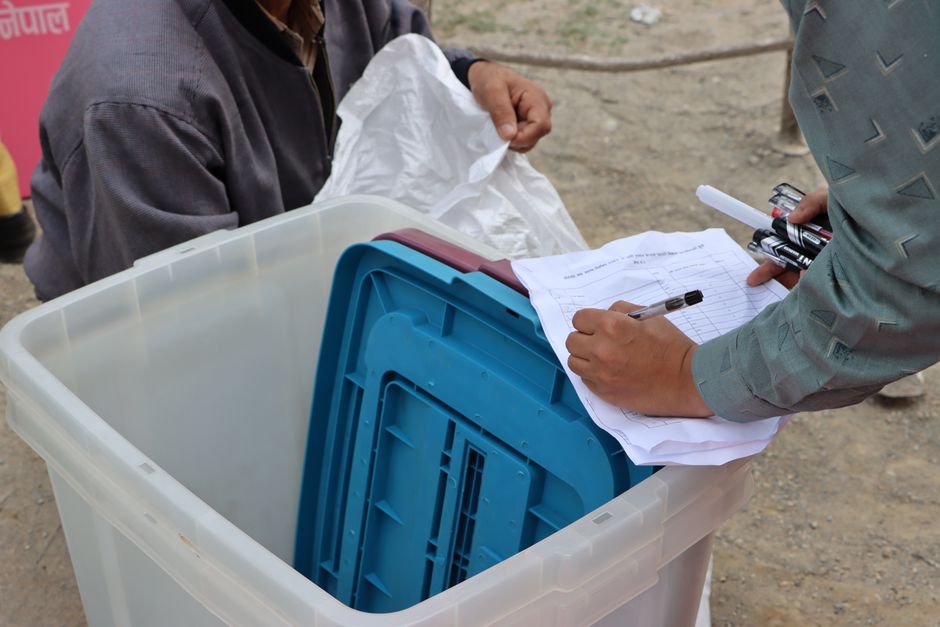
The vote took place on August 29, 2026, at polling stations across the country, including the capital city of Reykjavik. Citizens were asked to consider whether the government should initiate new discussions with Brussels. The final tally confirmed that a majority of the electorate prefers to maintain the current status quo rather than pursue membership.
Iceland has historically maintained a complex relationship with the European Union. While the country is part of the European Economic Area, it has remained outside the formal political structure of the union for decades. Proponents of the talks argued that membership could provide greater stability and influence in regional affairs.
Opponents of the proposal expressed concerns about the potential loss of sovereignty over key industries. Specifically, many voters cited the importance of maintaining control over Iceland's fishing rights and agricultural policies. These sectors are considered vital to the national economy and cultural identity.
Political analysts noted that the result reflects a broader trend of skepticism toward supranational organizations in parts of Europe. The debate highlighted a divide between those who prioritize international integration and those who favor national autonomy. This tension has been a recurring theme in recent Icelandic political discourse.
Government officials have acknowledged the results of the vote as a clear mandate from the public. Prime Minister of Iceland, who oversees the administration's policy direction, stated that the government will respect the will of the people. The focus will now shift toward strengthening existing trade agreements rather than seeking full integration.
International observers have been monitoring the situation closely due to Iceland's strategic location in the North Atlantic. The European Union has previously expressed openness to expanding its membership, though it maintains strict criteria for all applicants. This rejection effectively pauses any formal movement toward accession for the foreseeable future.
Economic experts suggest that the decision will likely have minimal immediate impact on the country's financial markets. Iceland currently benefits from robust trade ties with both the European Union and other global partners. The government is expected to continue its current economic strategy without significant changes to its regulatory framework.
Local civic groups played a major role in the lead-up to the vote by organizing public forums and debates. These events allowed citizens to engage directly with the arguments for and against the proposal. The high level of participation underscores the importance of the issue to the Icelandic public.
Looking ahead, the government plans to prioritize domestic policy initiatives that address inflation and infrastructure development. Officials have indicated that they will continue to seek cooperation with European partners on specific issues like climate change and security. The rejection of membership talks does not signal a withdrawal from international collaboration.
As the nation moves forward, the focus remains on maintaining economic resilience in a changing global environment. The decision provides a clear direction for the country's diplomatic efforts in the coming years. Iceland will continue to operate as an independent actor on the world stage while managing its regional partnerships.
You've reached your free article limit
You've read 10 of 10 free articles this month. Subscribe to Planet Earth News Network for unlimited access to neutral, global journalism — plus puzzles, podcasts, and the weekly newsletter.
Already a subscriber? Sign in.
Ask the Author
Subscribers can ask the journalist a question about this story. Subscribe to ask.
Neŭtraleca noto
Auto-harvested from global news wires and presented neutrally by PENN.
to vote
Comments
No comments yet — be the first to share your thoughts.