India Inaugurates Grand Ram Mandir Temple in Ayodhya
Prime Minister Narendra Modi leads consecration ceremony at site of former mosque, sparking national debate
PENN Explainer
Hear this story explained in 90 seconds.
Indian Prime Minister Narendra Modi presided over the formal inauguration of the Ram Mandir, a grand Hindu temple located in the northern city of Ayodhya. The ceremony, held on January 22, 2024, featured the unveiling of a 51-inch black stone idol representing the Hindu deity Lord Ram. Thousands of attendees gathered for the event, which was broadcast to millions of viewers across the nation. Dressed in a traditional kurta tunic, Modi led the consecration rites alongside Hindu priests who chanted hymns within the temple's inner sanctum. The project, estimated to cost $217 million, aims to transform Ayodhya into a major global destination for religious tourism. Supporters of the initiative, including members of the Vishva Hindu Parishad, have described the site as a potential 'Vatican City' for Hindus worldwide. The temple is built on land that has been the subject of a decades-long legal and social dispute. The site previously held a 16th-century mosque, which was destroyed by mobs in 1992, leading to significant communal tensions. For many, the completion of the temple represents the fulfillment of a long-standing cultural and religious aspiration. Conversely, critics of the Bharatiya Janata Party have expressed concerns regarding the implications of the project for India's secular framework. Some observers argue that the event was used to bolster political support ahead of national elections. The inauguration has prompted discussions about the role of religious identity in modern Indian governance and public life. Beyond the immediate political discourse, the temple's opening has highlighted broader trends in religious tourism. Industry reports suggest that the global religious tourism market is experiencing significant growth, with billions of dollars in annual valuation. As Ayodhya prepares for an influx of pilgrims, local officials are working to expand infrastructure to accommodate the expected rise in visitors. The ongoing developments in the region continue to draw international attention to the intersection of faith, history, and national identity.
Ask the Author
Subscribers can ask the journalist a question about this story. Subscribe to ask.
Заметка о нейтральности
Auto-harvested from global news wires and presented neutrally by PENN.
to vote
Comments
No comments yet — be the first to share your thoughts.
Related stories in Religion & Belief
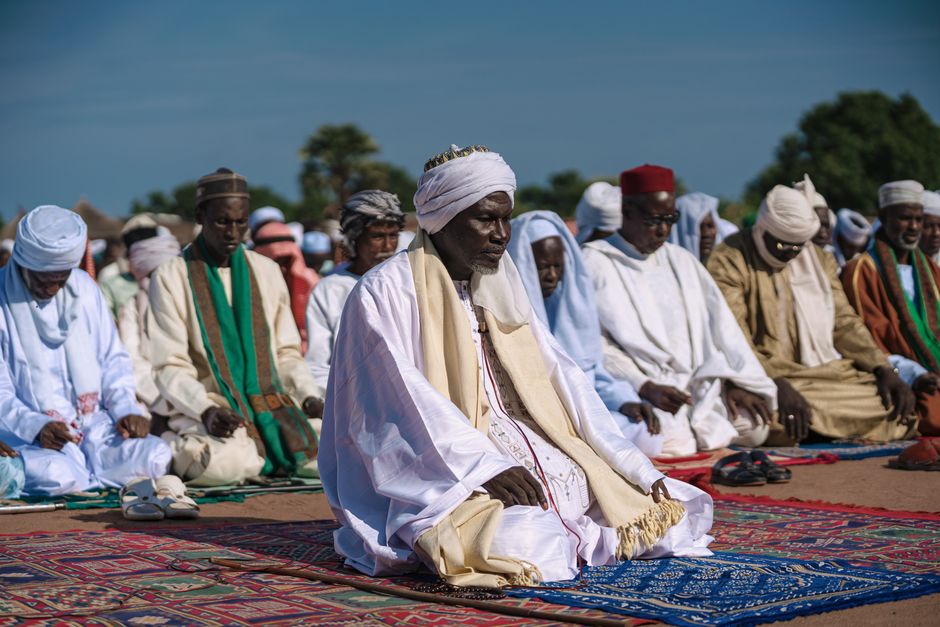
Muslim and Christian Leaders Sign Landmark Peace Accord in Abuja
2026-09-25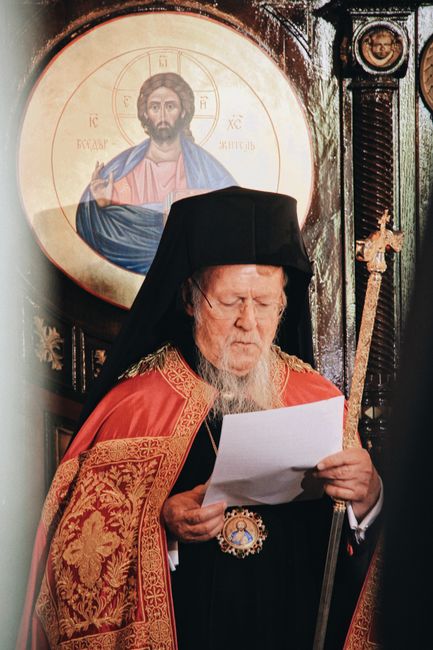
Ecumenical Patriarch Bartholomew Issues Urgent Warning on Ecological Crisis
2026-09-25