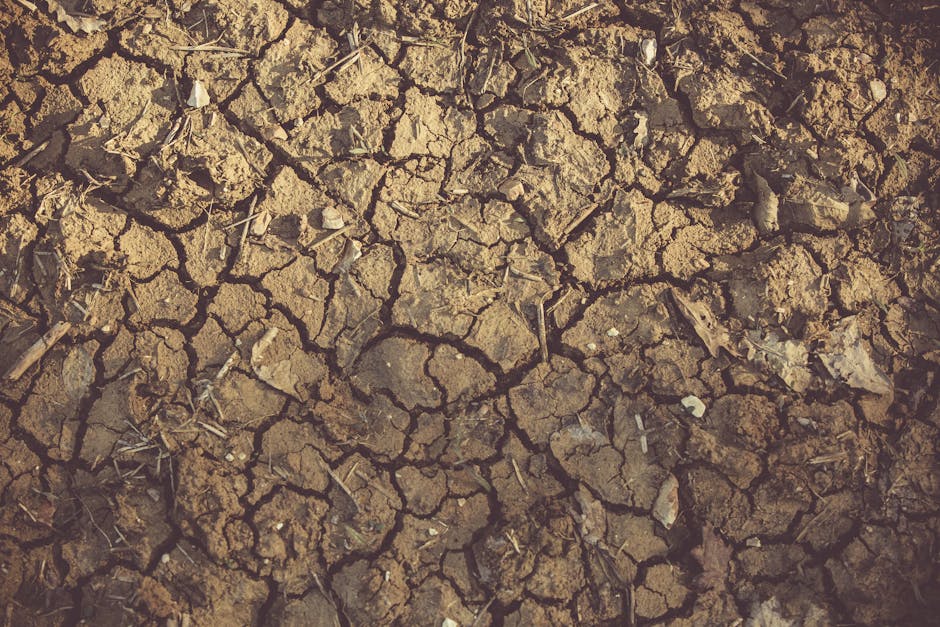
India Reports Daily Extreme Weather Events Affecting Nearly All Regions
A new assessment reveals that extreme weather occurred on 92 percent of days in the first nine months of 2026.

PENN Explainer
Hear this story explained in 90 seconds.
A comprehensive report released on November 4, 2026, highlights the increasing frequency and intensity of extreme weather events across India. The study, titled Climate India 2026: An Assessment of Extreme Weather Events, was produced by the Centre for Science and Environment and the publication Down To Earth. It indicates that the country experienced at least one extreme weather event on 251 out of the first 273 days of the year.
This data suggests that extreme weather has become a near-daily occurrence for the nation. The report draws on official information from the India Meteorological Department and the Disaster Management Division of the Union government. These findings underscore a significant shift in the country's meteorological landscape over the past five years.
The assessment tracks a wide variety of phenomena, including heavy rainfall, heatwaves, cyclones, and dust storms. Researchers noted that the share of days affected by such events has risen steadily since 2022. While the country previously saw extreme weather on 86 to 88 percent of days, that figure climbed to 93 percent in 2024 and reached 99 percent in 2025.
Regional data shows that no part of the country has been spared from these changes. In the central region of India, the percentage of days impacted by extreme weather rose from 73 percent in 2022 to 78 percent in the most recent assessment period. This trend of increasing volatility is consistent across all geographic zones.
One notable shift identified in the report is the timing of seasonal events. The 2026 heatwave arrived 74 days earlier than the corresponding event in 2024, signaling a disruption in traditional weather patterns. This early onset of extreme heat poses new challenges for agricultural planning and public health preparedness.
Conversely, the winter of 2026 saw a decrease in certain types of extreme conditions. The season recorded the second-lowest number of cold-wave and cold-day events in the five-year study period. February 2026 was particularly unusual, as it witnessed no such events for the first time since the assessment began.
The report serves as a critical tool for understanding how climate volatility is manifesting on the ground. By documenting these trends, scientists and policymakers aim to better prepare for the risks associated with a changing climate. The data provides a clear picture of the challenges faced by communities across the Indian subcontinent.
These findings are part of a broader global effort to map and mitigate the impacts of extreme weather. Researchers worldwide are working to bridge the gap between scientific climate models and actionable public information. Understanding these local shifts is essential for developing effective disaster response and recovery strategies.
As extreme weather events become more frequent, the need for robust early warning systems grows. Organizations like the China Meteorological Administration have been developing AI-enabled tools to support universal alert systems. Such technology is intended to help developing nations manage the risks posed by unpredictable weather patterns.
Looking ahead, the focus remains on adaptation and resilience. Experts emphasize that traditional mitigation strategies designed for historical weather patterns may no longer be sufficient. Future planning must account for the reality of a climate where extreme events are no longer confined to specific seasons.
You've reached your free article limit
You've read 10 of 10 free articles this month. Subscribe to Planet Earth News Network for unlimited access to neutral, global journalism — plus puzzles, podcasts, and the weekly newsletter.
Already a subscriber? Sign in.
Ask the Author
Subscribers can ask the journalist a question about this story. Subscribe to ask.
Neutrality note
Auto-harvested from global news wires and presented neutrally by PENN.
to vote
Comments
No comments yet — be the first to share your thoughts.
Related stories in Weather & Climate
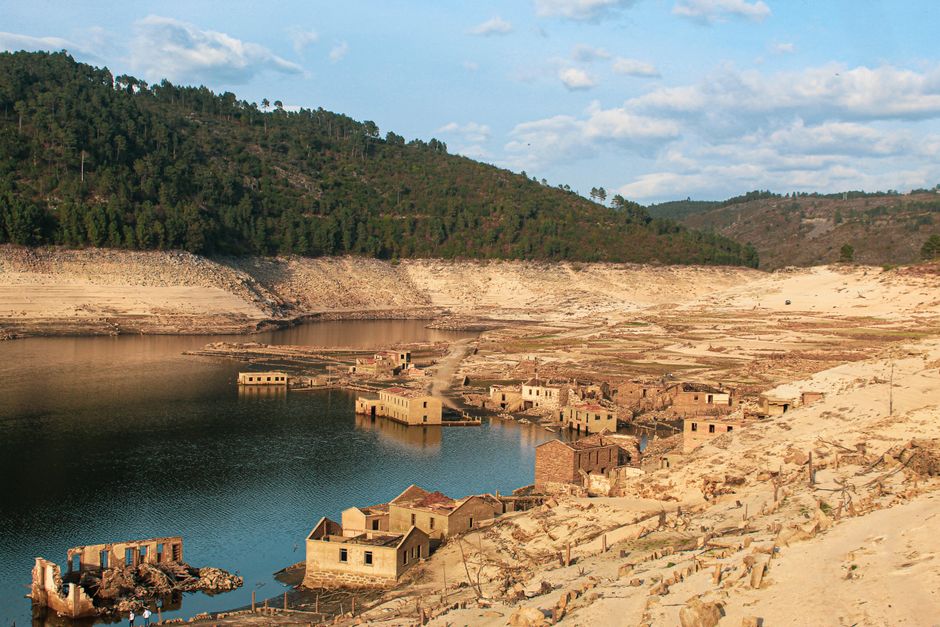
Widespread Drought Conditions Persist Across Europe as Water Supplies Tighten
2026-11-11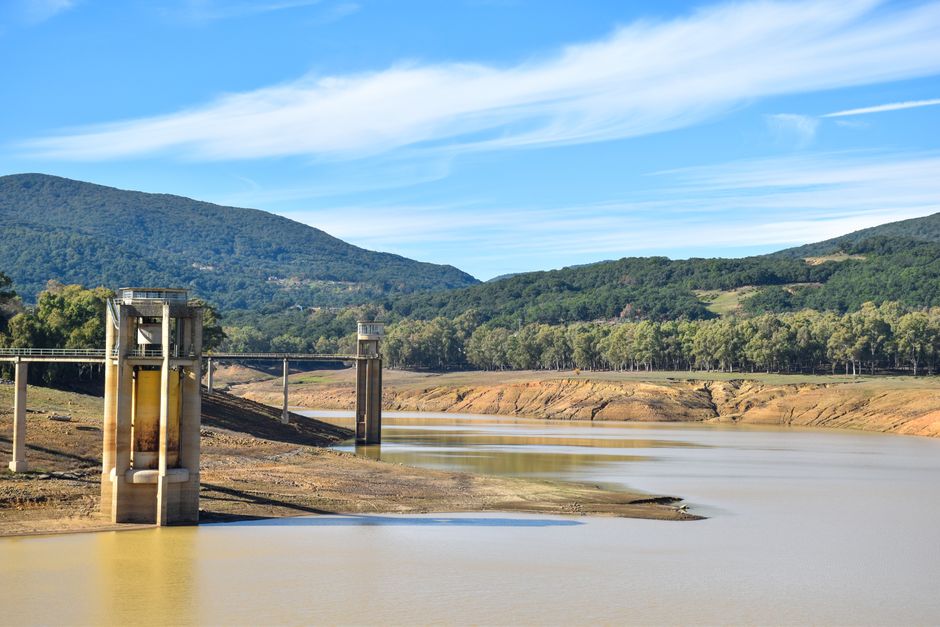
Catalonia Implements Strict Water Restrictions Amid Historic Winter Drought
2026-11-11