Indonesia and India Launch Joint Restoration Project at Prambanan Temple Complex
The bilateral initiative aims to preserve the historic Hindu site while promoting it as a global center for spiritual tourism.
PENN Explainer
Hear this story explained in 90 seconds.
The Indonesian government and the Indian government have officially launched a collaborative conservation project at the historic Prambanan Temple complex in Yogyakarta, Indonesia. The agreement was marked by a visit from Indian Prime Minister Narendra Modi and Indonesian President Prabowo Subianto on July 8, 2026. This partnership seeks to protect the structural integrity of the ancient site while strengthening cultural ties between the two nations. The project will be managed by the Archaeological Survey of India, which has extensive experience in restoring heritage sites across Southeast Asia.
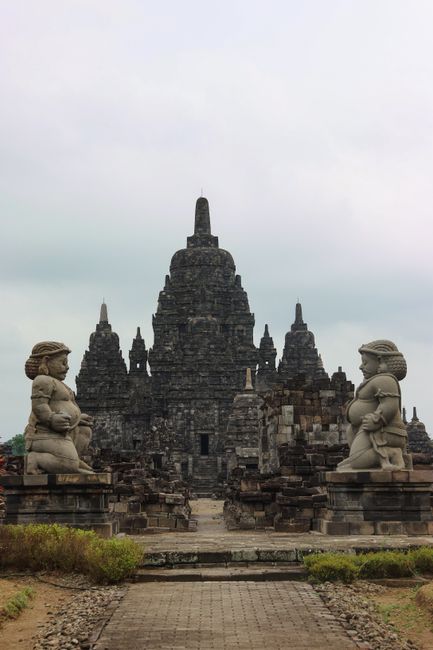
Experts plan to use the anastylosis technique, which involves reassembling structures using original stones found at the location. This method ensures that the restoration remains as authentic as possible to the original construction. The Prambanan complex is a significant site that includes various Hindu and Buddhist shrines, such as Candi Sewu, Bubrah, and Lumbung. These structures were built in the same era, reflecting a shared religious and architectural landscape that has persisted for centuries.
In modern Indonesian, the term candi is used to describe these ancient religious shrines. Deputy Minister of Tourism Ni Luh Puspa stated that the initiative is designed to transform the complex into a premier global hub for Hindu spiritual tourism. Officials hope the project will attract international visitors from countries with large Hindu populations, including Nepal, Bangladesh, and various nations across Europe and the Americas. There are currently more than 1.2 billion Hindus worldwide, and the government believes this site can serve as a focal point for spiritual engagement.
Nyoman Ariawan Atmaja, the head of the Prambanan Temple Utilization Team, described the restoration as a strategic measure to preserve the site for future generations. He noted that the work will help deepen the diplomatic relationship between Jakarta and New Delhi. The project follows a series of similar conservation efforts led by India in countries like Cambodia, Laos, and Myanmar. These initiatives are part of a broader effort to safeguard ancient cultural and religious heritage throughout the region.
By investing in the preservation of these monuments, the participating countries aim to maintain a sense of historical identity and continuity. The restoration is expected to take several years to complete as teams carefully document and replace each stone. Local authorities are also preparing infrastructure to accommodate the anticipated increase in tourism once the primary phases of the work are finished.
Ask the Author
Subscribers can ask the journalist a question about this story. Subscribe to ask.
Nota de neutralidad
Auto-harvested from global news wires and presented neutrally by PENN.
to vote
Comments
No comments yet — be the first to share your thoughts.
Related stories in Religion & Belief

U.S. Commission Reports Continued Religious Freedom Violations in China
2026-10-07
Controversy Emerges Over Demolition of Historic Hindu Temple in Pakistan
2026-10-07