
Indonesia Expands Global Diplomatic Reach Under President Prabowo Subianto
Six months into his term, President Prabowo Subianto shifts Indonesia toward a more active role in international affairs.
PENN Explainer
Hear this story explained in 90 seconds.
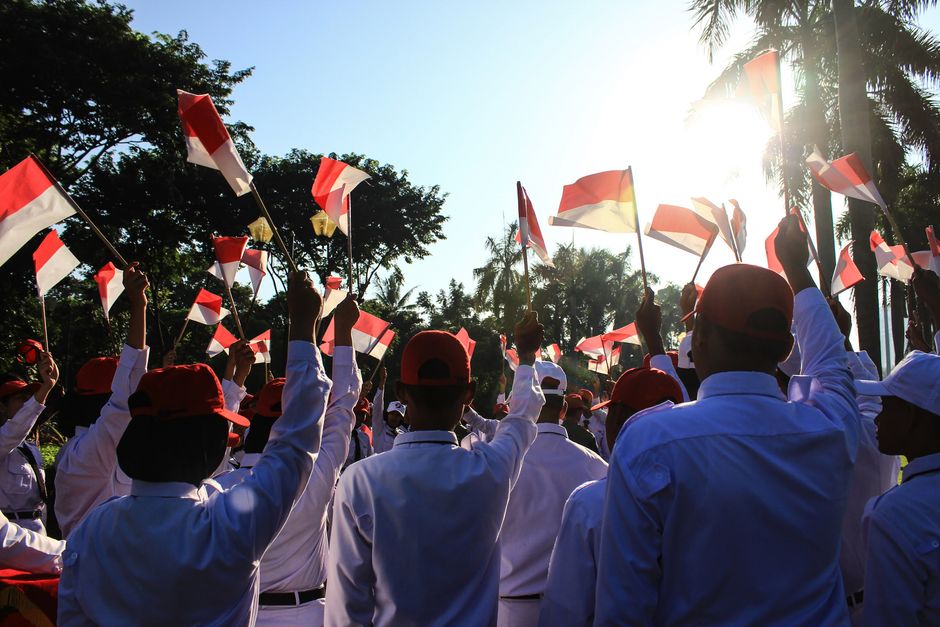
Six months into the tenure of President Prabowo Subianto, Indonesia has significantly increased its diplomatic activity on the global stage. Upon taking office, President Subianto established a new foreign policy track aimed at giving the nation a more prominent voice in international decision-making. This shift marks a departure from previous strategies, focusing on proactive engagement with both regional and global partners. Observers note that this change is intended to elevate Indonesia's status as a key player in Southeast Asia and beyond. The administration has prioritized building stronger bilateral ties while also seeking influence within major intergovernmental organizations. This diplomatic charm offensive is designed to secure Indonesia's interests in an increasingly complex geopolitical environment. A central component of this strategy has been Indonesia's formal admission into an expanded intergovernmental bloc. This group now includes Brazil, Russia, India, China, South Africa, Egypt, Ethiopia, Iran, and the United Arab Emirates. By joining this diverse coalition, Indonesia aims to diversify its economic and political partnerships. This move is viewed by analysts as a significant step in the country's effort to expand its diplomatic reach. The government believes that participation in this bloc will provide new opportunities for trade and cooperation. The administration has also been working to balance its relationships with major world powers. President Subianto has emphasized that Indonesia will maintain a neutral stance while pursuing its national interests. This approach is intended to prevent the country from being caught in the middle of rivalries between larger nations. Officials have stated that the goal is to foster stability and economic growth through constructive dialogue. This balanced strategy is a cornerstone of the current foreign policy agenda. Regional neighbors have closely watched these developments as Indonesia seeks to lead on issues like maritime security and regional trade. The government has hosted several high-level meetings to discuss shared challenges in the Indo-Pacific region. These efforts are aimed at strengthening the unity of regional associations and promoting collective security. By positioning itself as a mediator, Indonesia hopes to play a larger role in resolving regional disputes. This proactive stance has been welcomed by many partners who value Indonesia's commitment to regional stability. Looking ahead, the administration plans to continue its outreach to both developed and developing nations. The focus will remain on creating sustainable partnerships that benefit the Indonesian economy. Diplomatic missions have been instructed to prioritize trade agreements and cultural exchanges. These initiatives are expected to deepen ties with countries across Africa, Europe, and the Americas. The government remains committed to this ambitious path as it seeks to define its role in the global community.
Ask the Author
Subscribers can ask the journalist a question about this story. Subscribe to ask.
Neutrality note
Auto-harvested from global news wires and presented neutrally by PENN.
to vote
Comments
No comments yet — be the first to share your thoughts.
Related stories in Diplomacy & Foreign Affairs
China and New Zealand Address Diplomatic Friction Over Recent Remarks
2026-09-27
Azerbaijan and Uzbekistan Formalize Strategic Partnership with Treaty of Eternal Friendship
2026-09-27