
Indonesia Secures Landmark Prison Sentence for Javan Rhino Poacher
A 12-year sentence for a wildlife crime highlights the global effort to protect critically endangered species from illegal hunting.
PENN Explainer
Hear this story explained in 90 seconds.
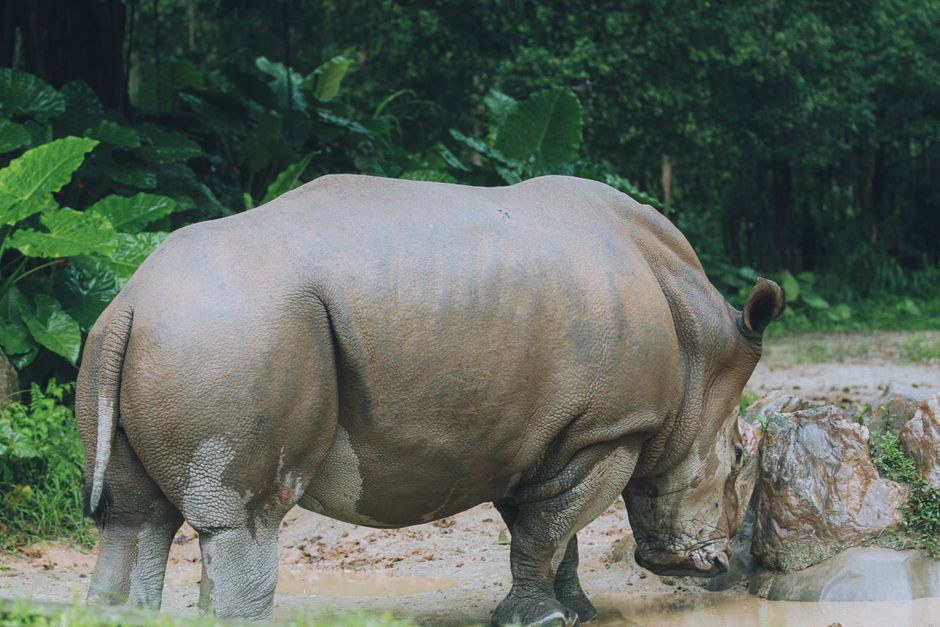
In a significant development for global conservation, an Indonesian court has handed down a 12-year prison sentence to a poacher responsible for the illegal killing of a Javan rhino. This ruling, reported in June 2024, is considered a record-breaking penalty for wildlife crime in the region. The Javan rhino is one of the rarest large mammals on Earth, with its remaining population confined to Ujung Kulon National Park. The severity of the sentence reflects a growing international commitment to treating poaching as a serious criminal offense rather than a minor infraction. Conservationists view this legal outcome as a vital step in deterring future threats to the species. The Javan rhino population has faced extreme pressure from habitat loss and illegal hunting for decades. By enforcing strict legal consequences, authorities aim to provide the necessary security for the species to recover in its protected habitat. This case underscores the importance of robust law enforcement in supporting broader conservation strategies. While legal, regulated hunting programs are often used as a tool for population management in other parts of the world, poaching remains a direct threat to biodiversity. The distinction between these two activities is critical for wildlife management. Regulated hunting is typically managed by scientific agencies to ensure population stability and fund habitat restoration. In contrast, poaching operates outside of any management framework and directly undermines the survival of endangered species. The Indonesian government's action serves as a reminder that protecting wildlife requires both community engagement and the firm application of the law. Stakeholders in the region continue to work on anti-poaching patrols and habitat monitoring to ensure the safety of the remaining rhinos. These efforts are essential for maintaining the ecological balance of the national park. As the global community watches, the success of such prosecutions may influence how other nations approach the protection of their own endangered wildlife. The focus remains on long-term recovery and the prevention of further loss of this iconic species.
Ask the Author
Subscribers can ask the journalist a question about this story. Subscribe to ask.
Neutrality note
Auto-harvested from global news wires and presented neutrally by PENN.
to vote
Comments
No comments yet — be the first to share your thoughts.
Related stories in Hunting and Conservation
Tennessee Wildlife Officials Enforce Lifetime Hunting Ban Following Major Poaching Case
2026-09-24
U.S. Fish and Wildlife Service Implements New Strategy for Common Raven Management
2026-09-23