Indonesian Authorities Secure Landmark Conviction in Javan Rhino Poaching Case
A record 12-year prison sentence highlights Indonesia's intensifying efforts to protect the critically endangered Javan rhino from illegal hunting.
PENN Explainer
Hear this story explained in 90 seconds.
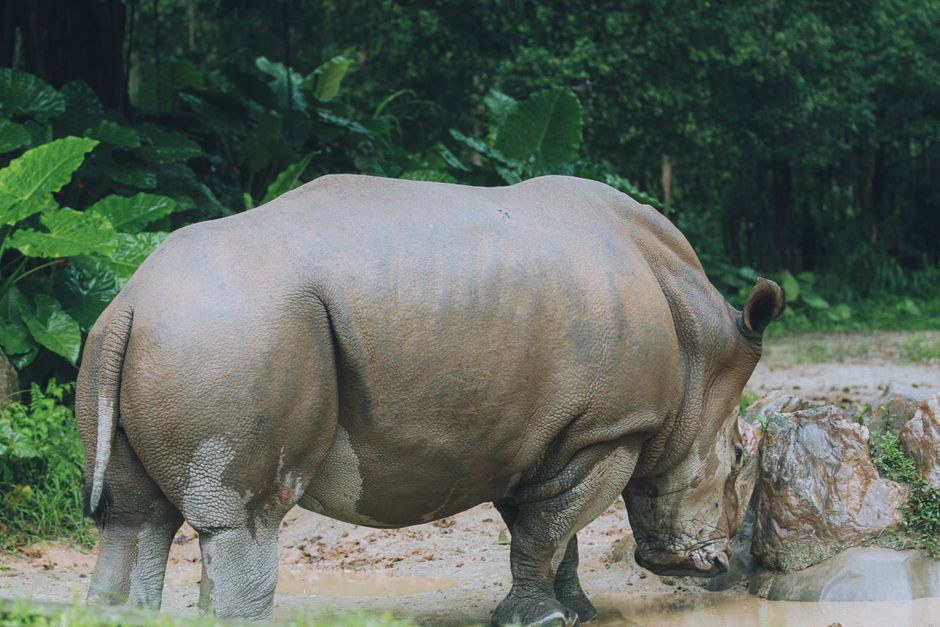
Indonesian judicial authorities recently handed down a 12-year prison sentence to a poacher involved in the illegal killing of a Javan rhino. This ruling marks a significant milestone in the nation's ongoing efforts to protect one of the world's rarest large mammals. The conviction took place in a regional court, reflecting a firm stance against wildlife crime in Ujung Kulon National Park.
The Javan rhino is currently listed as critically endangered, with only a small population remaining in the wild. Conservationists have long identified poaching as a primary threat to the species' survival, alongside habitat loss and disease. The recent legal action serves as a deterrent against those who target protected wildlife for illicit gain.
Ujung Kulon National Park remains the last stronghold for the Javan rhino. Park officials and local law enforcement have increased patrols to monitor the dense forest environment. These anti-poaching operations are essential for maintaining the safety of the remaining rhinos and their habitat.
Regulated conservation programs in the region focus on scientific monitoring and habitat protection. By removing the threat of poaching, authorities aim to create a stable environment where the rhino population can potentially recover. This approach prioritizes the long-term survival of the species over short-term exploitation.
Stakeholders involved in the protection efforts include government agencies, park rangers, and international conservation organizations. These groups work together to implement camera trap monitoring and community outreach programs. Such collaboration is vital for gathering data on rhino movements and identifying potential security risks.
Poaching is treated as a serious criminal offense under Indonesian law, carrying heavy penalties to discourage illegal activity. The 12-year sentence is considered a record for wildlife crime in the country, signaling a shift toward stricter enforcement. Legal experts suggest this move will strengthen the framework for future wildlife protection cases.
Beyond law enforcement, the management of the park involves complex ecological considerations. Scientists study the rhino's diet and social behavior to ensure the habitat can support a growing population. These management strategies are based on rigorous research rather than arbitrary decisions.
Human-wildlife conflict remains a challenge in areas surrounding protected zones. Conservationists are working to engage local communities in stewardship programs that provide economic alternatives to poaching. By fostering a sense of shared responsibility, these initiatives aim to reduce the pressure on wildlife populations.
Funding for these conservation efforts often comes from a mix of government budgets and international grants. The success of the park's management depends on consistent financial support to maintain equipment and staff. Continued investment is necessary to sustain the progress made in recent years.
Looking ahead, the focus remains on expanding the protected range and improving monitoring technology. Authorities are exploring new ways to track wildlife movements in real-time to prevent future incidents. The goal is to ensure that the Javan rhino remains a permanent fixture in the Indonesian landscape for generations to come.
Ask the Author
Subscribers can ask the journalist a question about this story. Subscribe to ask.
Neutrality note
Auto-harvested from global news wires and presented neutrally by PENN.
to vote
Comments
No comments yet — be the first to share your thoughts.
Related stories in Hunting and Conservation

Zambian Farmers Utilize Technology to Mitigate Human-Wildlife Conflict
2026-10-08
Professional Snake Hunters Combat Invasive Python Population in Florida Everglades
2026-10-07