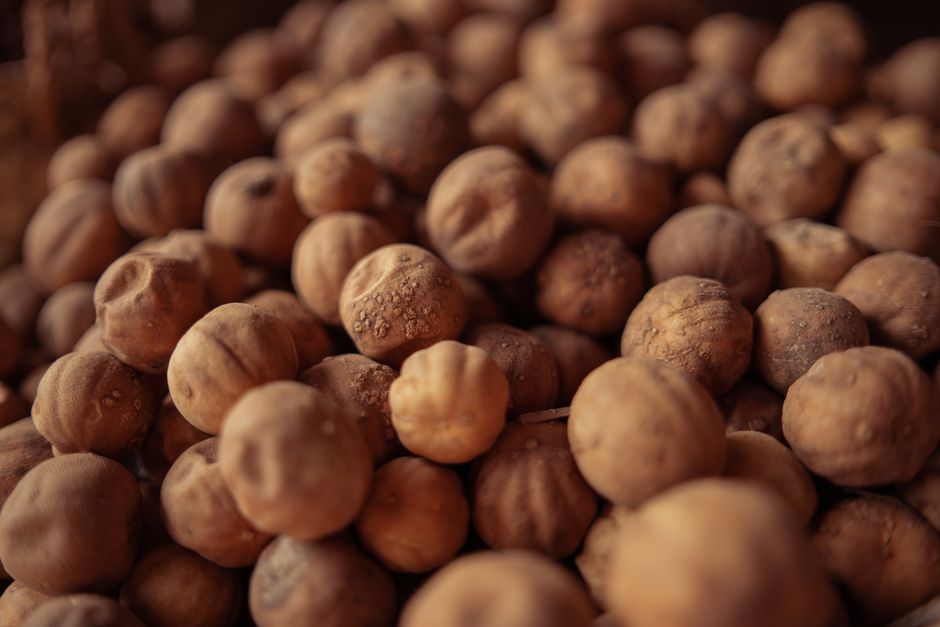
Ingredient of the Day: Ajwain
Exploring the history, culinary versatility, and traditional significance of the pungent carom seed

Hear this story explained in 90 seconds.
Ingredient of the Day: Ajwain
Ajwain, known globally as carom seeds, is a potent spice that serves as a cornerstone in many kitchens across the Indian subcontinent and beyond. These tiny, pale, ridged seeds are members of the Apiaceae family, which also includes cumin, dill, and caraway. While often compared to thyme due to their shared chemical profile, ajwain possesses a distinct, sharp, and medicinal intensity that defines its role in both savory cooking and traditional herbal practices.
Origin & History
The botanical origins of Trachyspermum ammi are often debated, with many historians pointing to regions in modern-day Iran and Turkey as its ancestral home. From these areas, the spice spread across the Middle East, North Africa, and South Asia, where it became deeply integrated into local culinary and medicinal traditions. Ancient texts from the Indian subcontinent and medieval Persian records highlight its long-standing use as both a seasoning for flatbreads and a remedy for digestive discomfort. Today, it remains a vital ingredient in the culinary landscapes of India, Pakistan, Afghanistan, and parts of North Africa.
Production
Ajwain plants are hardy shrubs that thrive in dry, often barren soil, reaching heights of up to three feet. The plant is characterized by its feather-like foliage and rapid growth cycle, making it well-suited for the climates of its primary production regions, such as the Indian states of Gujarat and Rajasthan. Farmers harvest the small, fruit-like seeds once the plant matures, ensuring they are dried properly to preserve their high concentration of essential oils. This production process is essential for maintaining the quality of the spice, as the volatile compounds are what provide its signature aroma and flavor.
Culinary Uses
In the kitchen, ajwain is prized for its ability to cut through the richness of fried foods and heavy dishes. It is a frequent component of a chaunk, or tarka, where the seeds are briefly fried in oil or clarified butter to release their aromatic oils before being added to dals, rice, or vegetable preparations. Beyond these applications, the seeds are commonly incorporated into the dough for breads like parathas and naans, providing a sharp, herbal contrast to the starch. In Afghanistan, the seeds are often sprinkled over biscuits and breads, while in other regions, they are used in pickles or mixed with lemon juice and black pepper as a traditional mouth freshener.
Nutrition & Facts
The primary active compound in ajwain is thymol, which accounts for 35 to 60 percent of its volatile oil content and gives the spice its thyme-like flavor. While ajwain is consumed in small culinary quantities that provide minimal macro-nutritional value, it is highly regarded in traditional systems like Ayurveda for its potential digestive and antimicrobial properties. Research indicates that thymol acts as an antiseptic and antifungal agent, which has led to its use in various dental and pharmaceutical preparations. However, practitioners advise that it should be used in moderation, as excessive consumption may cause irritation in sensitive individuals or exacerbate conditions like acid reflux.
Recipe Featuring This Ingredient
Ajwain Infused Flatbreads
These simple, aromatic flatbreads feature the sharp, thyme-like punch of toasted ajwain seeds, making them the perfect accompaniment to hearty dals or curries.
Prep time: 15 min | Cook time: 10 min | Total time: 25 min | Yield: 4 servings | Difficulty: Easy
Ingredients
- 2 cups whole wheat flour
- 1 tsp ajwain seeds
- 1/2 tsp salt
- 1 tbsp vegetable oil or ghee
- 3/4 cup warm water
Instructions
- In a large mixing bowl, combine the whole wheat flour, ajwain seeds, and salt.
- Add the oil or ghee and gradually pour in the warm water, kneading the mixture until a soft, smooth dough forms.
- Cover the dough with a damp cloth and let it rest for 10 minutes to allow the gluten to relax.
- Divide the dough into four equal portions and roll each into a thin, circular disc on a lightly floured surface.
- Heat a heavy-bottomed skillet over medium-high heat and cook each flatbread for about 1 to 2 minutes per side, or until golden brown spots appear and the bread is cooked through.
Notes
Serve these flatbreads warm, brushed with a little extra ghee if desired. They pair exceptionally well with lentil soups or spicy vegetable stews. Store any leftovers in an airtight container for up to two days and reheat briefly in a pan before serving.
Subscribers can ask the journalist a question about this story. Subscribe to ask.
Ingredient of the Day feature by the PENN Food & Spirits Desk.
Comments
No comments yet — be the first to share your thoughts.
PENN's lifestyle and culinary department, covering global cuisine — the origins, traditions, and recipes behind the world's dishes, with deep histories and cultural context that go beyond the plate. and PENN's beverage-focused culinary team, dedicated to spirits and drinks — covering distilleries, breweries, and producers worldwide, with histories, tasting notes, professional reviews, and cocktail traditions.
View all articles by Desk →