Ingredient of the Day: Black Lime (Loomi)
A deep dive into the sun-dried citrus staple of the Middle East
Hear this story explained in 90 seconds.
Ingredient of the Day: Black Lime (Loomi)
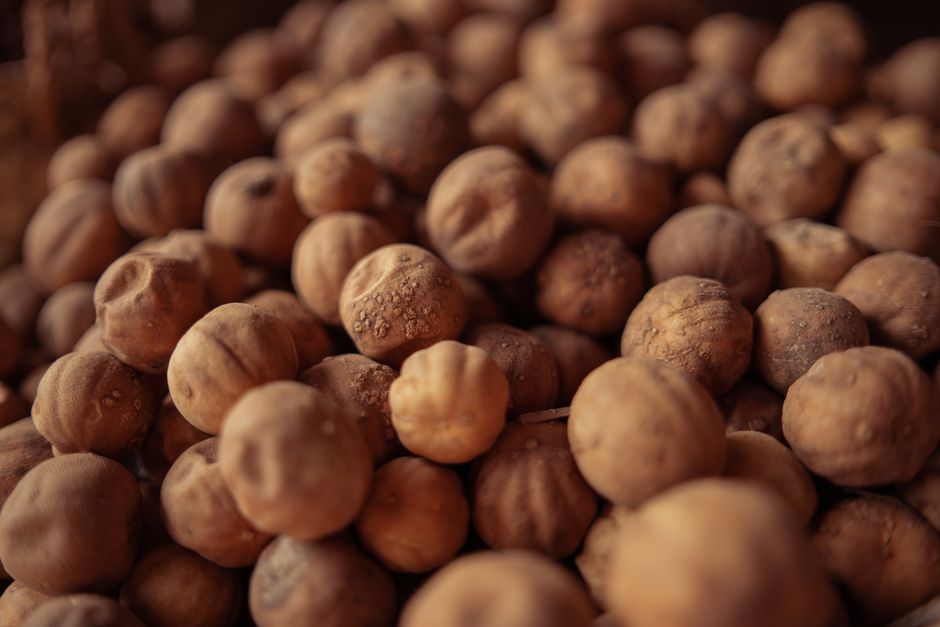
Black lime, widely known as loomi, is a preserved citrus fruit that serves as a foundational spice in the culinary traditions of the Persian Gulf and the broader Middle East. Unlike fresh citrus, this ingredient offers a complex, fermented, and earthy profile that adds depth to savory dishes. It is a staple in kitchens from Iran to Oman, prized for its ability to impart a unique, concentrated sourness that cannot be replicated by fresh juice or zest.
Origin & History
Botanically classified as Citrus aurantifolia, the black lime is derived from the same fruit as the common Mexican or Key lime. The practice of drying these limes is an ancient technique, historically developed by nomadic populations in the region to preserve food for longer shelf life. While the ingredient is found throughout the Middle East, including Iraq and Iran, it is widely considered to have originated in Oman. The Muscat region of Oman remains a significant historical producer and exporter of high-quality loomi.
Production
The production of black lime is a deliberate process of transformation rather than simple dehydration. Fresh limes are first boiled in a salt water brine, which helps to stabilize the fruit and clarify its color. Following this, the limes are left to dry in the sun for two to three weeks, often on open racks, until they become shriveled, brittle, and lightweight. This process causes the interior of the fruit to collapse into a dark, hollow, and concentrated mass, while the skin oxidizes to a deep tan or jet black color.
Culinary Uses
In the cuisines of the Persian Gulf, Iran, and Iraq, black lime is an essential component of many traditional recipes. Cooks often use the whole fruit by piercing it with a knife or fork and adding it directly to soups, stews, and braises, where it slowly releases its smoky, tangy flavor into the liquid. It is also a key ingredient in dishes such as the Emirati machboos, as well as various Iranian rice dishes and meat stews known as khoresh. For a more direct application, the dried limes can be ground into a fine powder and used as a spice rub or incorporated into complex spice blends.
Nutrition & Facts
Black limes are valued primarily for their intense flavor profile, which combines the acidity of fresh citrus with notes of fermentation and earthiness. Beyond their culinary utility, these limes have historically served other purposes; for instance, Bedouin women have used them as a natural agent to dye yarn. When purchasing this ingredient, it is best to buy small quantities, as the flavor of the ground powder can degrade quickly. Storing whole dried limes in an airtight container helps maintain their quality, though many chefs prefer to grind them fresh as needed for the most vibrant results.
Recipe Featuring This Ingredient
Simple Loomi Infused Rice
This fragrant rice dish uses the deep, fermented notes of black lime to elevate a standard side into a complex accompaniment for grilled meats.
Prep time: 5 min | Cook time: 20 min | Total time: 25 min | Yield: 4 servings | Difficulty: Easy
Ingredients
- 2 cups basmati rice
- 3 cups water
- 2 whole black limes (loomi)
- 1 tbsp olive oil
- 1 tsp salt
Instructions
- Rinse the basmati rice under cold water until the water runs clear, then drain well.
- Pierce each black lime several times with a sharp knife or fork to allow the liquid to penetrate the interior.
- Heat the olive oil in a medium pot over medium heat and lightly toast the rice for two minutes.
- Add the water, salt, and the pierced black limes to the pot, bringing the mixture to a gentle boil.
- Reduce the heat to low, cover the pot tightly, and simmer for 15 to 18 minutes until the water is absorbed and the rice is tender.
- Remove the pot from the heat and let it rest for 5 minutes before fluffing with a fork and removing the limes before serving.
Notes
The black limes act as a flavoring agent and should be discarded before eating the rice. For a more intense citrus flavor, you can crack the limes open before adding them to the pot, though this will result in a darker color and a stronger, more bitter profile.
Subscribers can ask the journalist a question about this story. Subscribe to ask.
Ingredient of the Day feature by the PENN Food & Spirits Desk.
Comments
No comments yet — be the first to share your thoughts.
PENN's lifestyle and culinary department, covering global cuisine — the origins, traditions, and recipes behind the world's dishes, with deep histories and cultural context that go beyond the plate. and PENN's beverage-focused culinary team, dedicated to spirits and drinks — covering distilleries, breweries, and producers worldwide, with histories, tasting notes, professional reviews, and cocktail traditions.
View all articles by Desk →