Ingredient of the Day: Cloves
Exploring the history, culture, and culinary power of the dried flower bud
Hear this story explained in 90 seconds.
Ingredient of the Day: Cloves
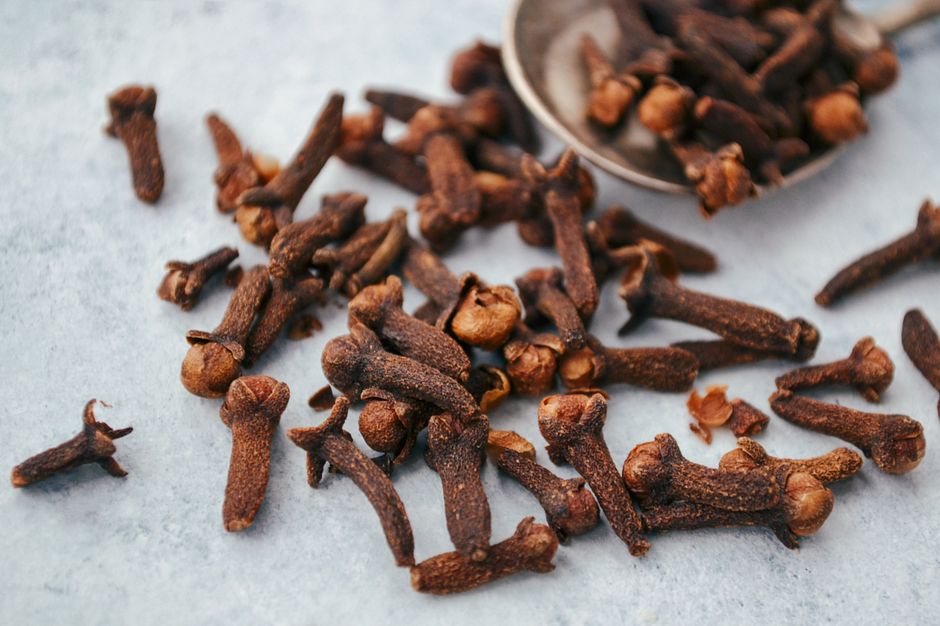
Cloves are one of the world's most recognizable and potent spices, known for their intense, warming aroma and distinct nail-like shape. These dried flower buds have played a central role in global trade, medicine, and culinary arts for centuries.
Origin & History
Cloves are the unopened, dried flower buds of the Syzygium aromaticum tree, an evergreen member of the Myrtaceae family. They are indigenous to the Maluku Islands of Indonesia, historically known as the Spice Islands. Their history is deeply intertwined with the global spice trade; by the Han Dynasty (206 BCE–220 CE), cloves had reached China, where they were famously used by courtiers as a breath freshener before addressing the emperor. During the European Age of Exploration, the desire for direct access to these islands led to intense competition and colonial conflict, as nations sought to control the lucrative trade of this precious commodity.
Production
The Syzygium aromaticum tree thrives in humid, tropical climates and volcanic soils. Trees typically begin to flower after about six years and can remain productive for over 80 years. The harvest process is labor-intensive: the flower buds must be handpicked when they are fully grown but still closed and pink in color. Once harvested, the buds are sun-dried, causing them to turn a dark, reddish-brown color and develop their characteristic rigid, nail-like texture.
Culinary Uses
Cloves are prized for their fiery, sweet, and slightly bitter flavor profile. In Indian cuisine, they are a foundational element of spice blends used in biryanis and curries. In Western traditions, they are a staple of holiday cooking, frequently used to flavor baked goods, mincemeat, and beverages like wassail or mulled wine. Because their flavor is so potent, they are typically used in small quantities to add depth to both savory stews and sweet desserts.
Nutrition & Facts
Beyond the kitchen, cloves have a long history in traditional medicine. They contain high levels of eugenol, a compound that gives them antiseptic and anesthetic properties. Historically, clove oil was widely used in dentistry to treat toothaches before the advent of modern topical anesthetics. The name "clove" itself is derived from the Latin word clavus, meaning "nail," a nod to the spice's unique physical appearance.
Recipe Featuring This Ingredient
Spiced Mulled Cider
A warming, aromatic beverage perfect for cool autumn evenings, featuring the deep, spicy notes of whole cloves.
Prep time: 5 min | Cook time: 20 min | Total time: 25 min | Yield: 4 servings | Difficulty: Easy
Ingredients
- 1 liter apple cider
- 1 orange, sliced into rounds
- 2 cinnamon sticks
- 6 whole cloves
- 1 star anise
Instructions
- Combine the apple cider, orange slices, cinnamon sticks, cloves, and star anise in a large saucepan over medium heat.
- Bring the mixture to a gentle simmer, then reduce the heat to low.
- Let the cider simmer for 15 to 20 minutes, allowing the spices to infuse the liquid.
- Strain the cider into mugs, discarding the solids, and serve warm.
Notes
For a festive presentation, garnish each mug with a fresh cinnamon stick or a slice of orange studded with an extra clove. Store any leftovers in the refrigerator for up to three days and reheat gently on the stove.
You've reached your free article limit
You've read 10 of 10 free articles this month. Subscribe to Planet Earth News Network for unlimited access to neutral, global journalism — plus puzzles, podcasts, and the weekly newsletter.
Already a subscriber? Sign in.
Subscribers can ask the journalist a question about this story. Subscribe to ask.
Ingredient of the Day feature by the PENN Food & Spirits Desk.
Comments
No comments yet — be the first to share your thoughts.
PENN's lifestyle and culinary department, covering global cuisine — the origins, traditions, and recipes behind the world's dishes, with deep histories and cultural context that go beyond the plate. and PENN's beverage-focused culinary team, dedicated to spirits and drinks — covering distilleries, breweries, and producers worldwide, with histories, tasting notes, professional reviews, and cocktail traditions.
View all articles by Desk →