Ingredient of the Day: Paprika
Exploring the vibrant history, production, and culinary versatility of this essential red spice.
Hear this story explained in 90 seconds.
Paprika
Paprika is a beloved spice known for its brilliant red color and diverse flavor profiles, ranging from sweet and mild to hot and smoky. Derived from the dried, ground pods of the Capsicum annuum plant, it serves as both a foundational seasoning and a vibrant garnish in kitchens across the globe.
Origin & History
The history of paprika begins in the Americas, where the Capsicum annuum species was domesticated by pre-Columbian civilizations in present-day Mexico over 6,000 years ago. While the plant is native to the Americas, it was introduced to Europe in 1493 by Christopher Columbus. From there, it spread rapidly across the Old World. By the 16th century, the plant was being cultivated globally. The name itself is derived from the Slavic and Balkan word "papar," which evolved into "piperka" or "paparka" and eventually "paprika." In Hungary, the spice became a cultural icon, with the first local cultivation recorded in 1569.
Production
Paprika is produced by drying and milling the ripened fruit pods of specific Capsicum annuum varieties. Unlike chili powder, which often includes seeds and stems, sweet paprika is typically made by removing the seeds and stalks before the pods are dried and ground. Because the pods are tough, they may undergo multiple grindings to achieve the desired texture. The industry utilizes the plant's natural genetic variability to produce different profiles, such as varying levels of redness, sweetness, or pungency. Smoked varieties are often produced by drying the peppers over oak wood fires.
Culinary Uses
Paprika is a staple in many international cuisines, including Hungarian, Spanish, Mexican, and Balkan cooking. It is the defining ingredient in dishes like Hungarian chicken paprikash and goulash. In Spanish cuisine, it is known as pimentón and is essential for seasoning meats, sausages, and rice dishes. Beyond its role as a primary flavor, it is frequently used as a garnish to add a pop of color to egg salads, deviled eggs, and cottage cheese. Oleoresin of paprika is also used industrially as a natural coloring agent for processed foods.
Nutrition & Facts
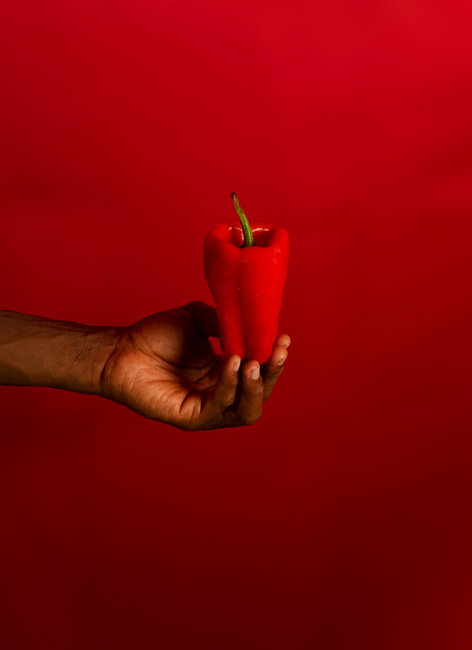
While paprika is typically consumed in small quantities, it provides significant aesthetic and flavor benefits to a dish. It is a member of the Solanaceae, or nightshade, family. Interestingly, in many European countries, the word "paprika" refers not just to the spice, but to the fresh bell pepper fruit itself. The finest variety is often considered to be the "rose paprika" of Hungary, prized for its deep red color and sweet aroma.
Recipe Featuring This Ingredient
Classic Chicken Paprikash
A comforting, traditional Hungarian dish featuring tender chicken simmered in a rich, creamy, and paprika-infused sauce.
Prep time: 15 min | Cook time: 45 min | Total time: 60 min | Yield: 4 servings | Difficulty: Medium
Ingredients
- 1.5 kg chicken pieces (thighs and drumsticks)
- 2 tbsp vegetable oil
- 2 large yellow onions, finely chopped
- 3 tbsp high-quality sweet Hungarian paprika
- 1 tsp salt
- 250 ml chicken broth
- 200 ml sour cream
- 1 tbsp all-purpose flour
Instructions
- Heat the oil in a large pot over medium heat and sauté the onions until translucent and soft.
- Remove the pot from the heat and stir in the paprika, ensuring it does not burn, which can turn it bitter.
- Add the chicken pieces to the pot, coating them thoroughly in the onion and paprika mixture.
- Pour in the chicken broth, season with salt, and cover the pot. Simmer over low heat for 35-40 minutes until the chicken is tender.
- In a small bowl, whisk the sour cream and flour together until smooth.
- Stir a small amount of the hot cooking liquid into the sour cream mixture to temper it, then pour the mixture back into the pot.
- Simmer for an additional 5 minutes, stirring constantly, until the sauce thickens into a creamy consistency.
Notes
Serve this dish over warm egg noodles or nokedli (Hungarian dumplings). For a deeper flavor, you can substitute a portion of the sweet paprika with a small amount of smoked or hot paprika depending on your preference.
Subscribers can ask the journalist a question about this story. Subscribe to ask.
Ingredient of the Day feature by the PENN Food & Spirits Desk.
Comments
No comments yet — be the first to share your thoughts.
PENN's lifestyle and culinary department, covering global cuisine — the origins, traditions, and recipes behind the world's dishes, with deep histories and cultural context that go beyond the plate. and PENN's beverage-focused culinary team, dedicated to spirits and drinks — covering distilleries, breweries, and producers worldwide, with histories, tasting notes, professional reviews, and cocktail traditions.
View all articles by Desk →