Innovative Rewilding Initiative Transports Zebra Shark Eggs to Revive Threatened Populations in Raja Ampat
Marine biologists and international aquariums collaborate to hatch and release nursery-reared shark pups across Indonesia's Coral Triangle.
PENN Explainer
Hear this story explained in 90 seconds.
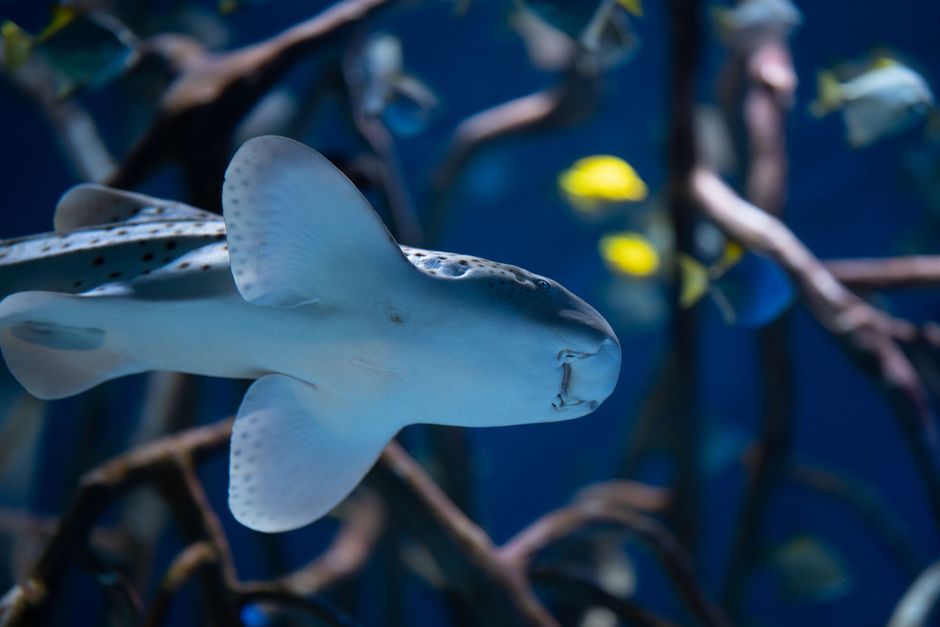
An innovative global conservation effort is taking shape across the biodiverse waters of West Papua, Indonesia. The landmark rewilding initiative, known as the StAR Project, involves shipping live zebra shark eggs from accredited aquariums around the world to specialized marine nurseries in Raja Ampat. Conservationists hope this unprecedented captive-to-wild transfer will establish self-sustaining breeding populations of the docile, leopard-spotted carpet shark in habitats where human activity once decimated them.
Zebra sharks, scientifically classified as Stegostoma tigrinum, are officially listed as endangered on the International Union for Conservation of Nature Red List of Threatened Species. For decades, targeted overfishing and untargeted commercial bycatch drastically reduced their numbers across the Indo-Pacific. In Raja Ampat, where coral reefs remain exceptionally intact, adult zebra sharks had become exceptionally rare, prompting researchers to seek new interventions beyond conventional habitat protections.
The project represents a collaboration between the Indonesian Ministry of Marine Affairs and Fisheries, the Raja Ampat local government, Conservation International, and the Association of Zoos and Aquariums. Participating institutions from Australia, the United States, and Europe carefully transport captive-bred, fertilized eggs via specialized temperature-regulated cargo shipments. Upon arrival in Jakarta, customs agents and marine biologists expedite inspections before flying the eggs east to the remote island nurseries.
Once settled in Raja Ampat, the eggs are transferred into purpose-built floating net pens and nursery tanks designed to mimic local reef conditions. Local aquarists and trained Indonesian caretakers oversee embryonic development around the clock, tracking egg casing integrity, salinity, and water temperatures. The careful protocol ensures that when the pups hatch, they are shielded from apex predators during their most vulnerable developmental stages.
Newly emerged pups sport striking black-and-white zebra patterns, which gradually shift to golden-brown leopard spots as they mature into adulthood. Caretakers feed the juvenile sharks native marine invertebrates, including crabs, shrimp, and small sea snails, teaching them to forage actively. This targeted conditioning is vital to ensure that reared individuals can sustain themselves once released into unprotected marine expanses.
Before entering the wild, each shark undergoes a comprehensive veterinary screening and is fitted with a specialized acoustic transmitter tag. These electronic tags emit unique signals tracked by an array of submerged hydrophone receivers situated throughout the Raja Ampat Marine Protected Area. Field researchers analyze tracking data to assess survival rates, home ranges, and interaction patterns with wild resident marine life.
The initiative places strong emphasis on community involvement, hiring local Papuan residents to construct the marine nurseries and manage daily husbandry. Community education workshops across nearby coastal villages provide fishermen and youths with detailed training regarding the ecological role of benthic predators in maintaining balanced reef ecosystems. Local elders have formally designated the surrounding nursery lagoons as protected conservation zones, prohibiting non-selective fishing practices.
Environmental scientists stress that while captive breeding and reintroduction carry significant logistics costs, the model provides a vital blueprint for threatened oviparous marine species. Unlike many open-ocean pelagic sharks that give birth to live young, egg-laying species can be transported efficiently inside robust, nutrient-rich collagen cases without incurring prohibitive transport stress. If the released juveniles successfully reproduce, Raja Ampat could establish the world's first genetically diverse, recovered population of captive-sourced sharks.
Project directors report that the initial cohorts released into protected lagoons have demonstrated strong site fidelity, natural predatory instincts, and steady growth rates. Continued monitoring over the next decade will confirm whether these nursery-reared sharks successfully locate mates and deposit viable eggs of their own across natural reef substrates. Conservation leaders view the effort as a major step forward for marine rewilding, showing that targeted restoration can bring species back to historically depleted waters.
Ask the Author
Subscribers can ask the journalist a question about this story. Subscribe to ask.
Neutrality note
Auto-harvested from global news wires and presented neutrally by PENN.
to vote
Comments
No comments yet — be the first to share your thoughts.