Environmenten
International Coalition of 70 Experts Redraws Madagascar Conservation Map for First Time in Three Decades
Scientists and conservationists update key terrestrial biodiversity priorities to protect vulnerable species and guide habitat preservation across Madagascar.
PENN Explainer
Hear this story explained in 90 seconds.
An international coalition of 70 scientific experts has redrawn Madagascar's terrestrial conservation map for the first time in 31 years. The effort brings together researchers, local organizations, and international conservationists to modernize the boundaries of critical habitats in urgent need of protection across the island nation.
Madagascar is home to thousands of plant and animal species found nowhere else on the planet, including unique primates, reptiles, and birds. However, increasing pressures from agricultural expansion, logging, and climate change have severely altered the island's natural landscape since the original baseline map was drafted more than three decades ago.
The newly updated mapping initiative analyzes recent satellite imagery, ground-level biological inventories, and advanced spatial modeling tools. Scientists evaluated forest cover loss, species density, and migration corridors to determine which regions now represent the highest priorities for biodiversity preservation.
Organizers noted that outdated planning documents left key areas vulnerable because they failed to capture recent ecological shifts. Many previously pristine habitats have been fragmented, while newly documented species-rich pockets were missing entirely from existing national conservation planning.
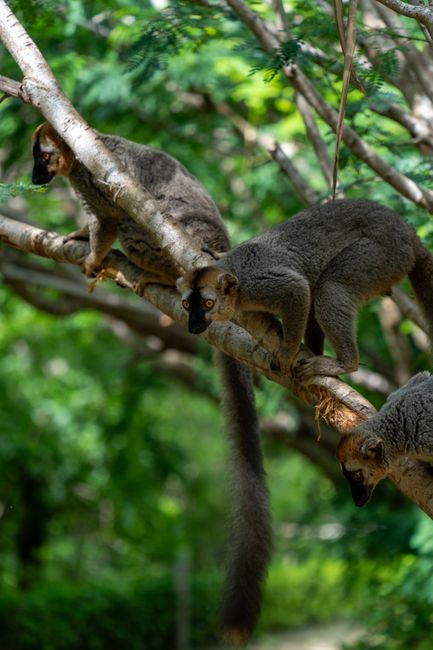
The new map identifies critical refuges for endangered lemurs, chameleon populations, and rare vascular plants. By targeting contiguous tracts of forest rather than isolated fragments, researchers aim to preserve functioning ecosystems capable of maintaining genetic diversity over generations.
Madagascar's updated terrestrial boundaries also emphasize the importance of community-based stewardship and ecological corridors. Rather than creating strictly fenced reserves, conservationists designed recommendations that allow sustainable natural resource use alongside strict core protection areas for vulnerable wildlife.
Participating groups highlighted that the initiative comes at a vital time for international nature commitments. Global agreements such as the 30x30 biodiversity framework call on nations to protect 30 percent of the planet's land and inland waters by the year 2030, a goal that requires accurate local data.
Government agencies in Madagascar plan to integrate the new maps directly into regional zoning and national environmental policies. Officials say the data will assist law enforcement in safeguarding reserves and help local authorities prevent illegal deforestation in critical watersheds.
International conservation organizations have pledged technical and financial support to implement the updated spatial plan on the ground. Funding programs are scheduled to align directly with the high-priority zones established by the panel of 70 scientists.
Ecologists involved in the project expressed optimism that the modernized strategy will provide a reliable scientific foundation for conservation investments over the coming decades. With accurate geographic priorities in place, conservation groups hope to protect Madagascar's extraordinary biodiversity from irreversible loss.
Neutrality note
Auto-harvested from global news wires and presented neutrally by PENN.
to vote
Comments
No comments yet — be the first to share your thoughts.
Related stories in Environment
High-Altitude Himalayan River Survey Detects Elusive Wildlife Using Environmental DNA in Bhutan
2026-09-12
New Zealand Establishes Landmark Marine Reserves Under Joint Management With Kāi Tahu Iwi
2026-09-12