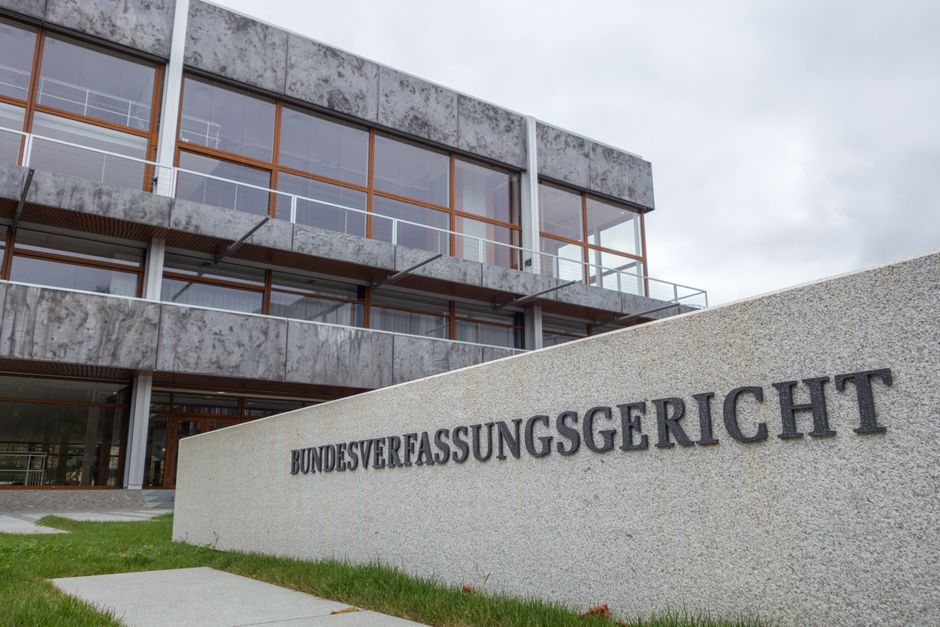
International Court of Justice Examines Whether the Right to Strike Is Protected Under Global Treaty
The UN high court weighs arguments from 21 nations and labor groups in an unprecedented case interpreting international labor conventions.
PENN Explainer
Hear this story explained in 90 seconds.
The International Court of Justice in The Hague has commenced proceedings on a pivotal legal dispute concerning whether the right to strike is protected under international labor law. The case marks the first time the principal judicial organ of the United Nations has been asked to interpret the fundamental scope of freedom of association regarding industrial strike actions.
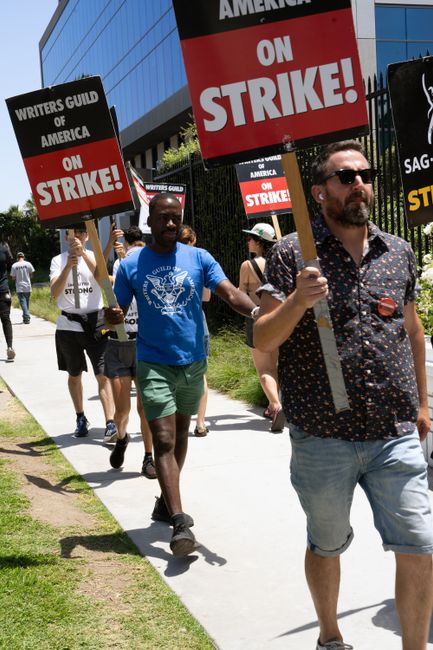
The proceedings arise from a longstanding interpretative debate within the International Labour Organization, a specialized UN agency based in Geneva. For decades, representatives of organized labor and various sovereign governments have argued that Convention No. 87 guarantees workers the inherent right to organize industrial walkouts. In contrast, employer federations and opposing member states maintain that the convention contains no explicit textual language establishing an absolute right to strike.
Over the course of extensive hearings at the Peace Palace, judges heard submissions from 21 governments and international organizations representing diverse economic systems. Legal advocates supporting the right to strike argued that collective action is an indispensable instrument for workers negotiating equitable terms of employment. Without judicial recognition of this protection, they argued, core collective bargaining frameworks lose practical enforceability under international law.
Conversely, several participating governments and employer representatives presented counter-arguments urging judicial restraint. They stated that national parliaments and domestic statutory codes must retain the sovereign authority to determine rules governing strikes, particularly in critical public utilities and essential public services. These participants contended that reading an unwritten right into the 1948 treaty would overstep the text approved by its original signatories.
The International Court of Justice, currently led by President Judge Tomoko Akane, conducted the sessions to gather formal legal positions from all participating stakeholders. The court’s eventual advisory opinion will address foundational questions about treaty interpretation under the Vienna Convention on the Law of Treaties. While advisory opinions from the court are not directly enforceable against non-consenting states, they carry immense moral and authoritative weight across global legal systems.
Labor law specialists have noted that the tribunal's upcoming determination could significantly influence national courts and regulatory bodies worldwide. In many jurisdictions, domestic judges rely on rulings from international tribunals to interpret domestic constitutional rights regarding peaceful assembly and labor organizing. A ruling affirming strike protections could prevent governments from enacting restrictive anti-protest measures against trade unions.
On the other hand, a decision declining to recognize the strike protection under Convention No. 87 would reaffirm domestic legislative discretion over workplace disputes. Observers note that such an outcome would leave national legislatures free to impose tighter curbs on industrial action without running afoul of global treaty obligations. The contrast between these viewpoints underscores the high stakes of the tribunal's advisory review.
The judicial panel is expected to deliberate for several months before delivering its comprehensive advisory opinion in open court. The final document will analyze decades of international jurisprudence, state practice, and preparatory materials dating back to the drafting of key postwar labor treaties. The outcome promises to establish a definitive international precedent defining the boundaries between sovereign state authority and collective workers' rights.
Ask the Author
Subscribers can ask the journalist a question about this story. Subscribe to ask.
Neŭtraleca noto
Auto-harvested from global news wires and presented neutrally by PENN.
to vote
Comments
No comments yet — be the first to share your thoughts.
Related stories in Legal & Justice
Ukrainian State Bank Seeks Enforcement of $1.1 Billion Award Against Russia
2026-10-02
Huawei Faces Historic Criminal Trial in New York Over Racketeering Allegations
2026-10-02