
International Court of Justice Sets Timeline for Human Rights Case Against Rwanda
The principal judicial organ of the United Nations has established formal deadlines for legal filings in the ongoing dispute regarding alleged human rights violations in the Democratic Republic of the Congo.
PENN Explainer
Hear this story explained in 90 seconds.
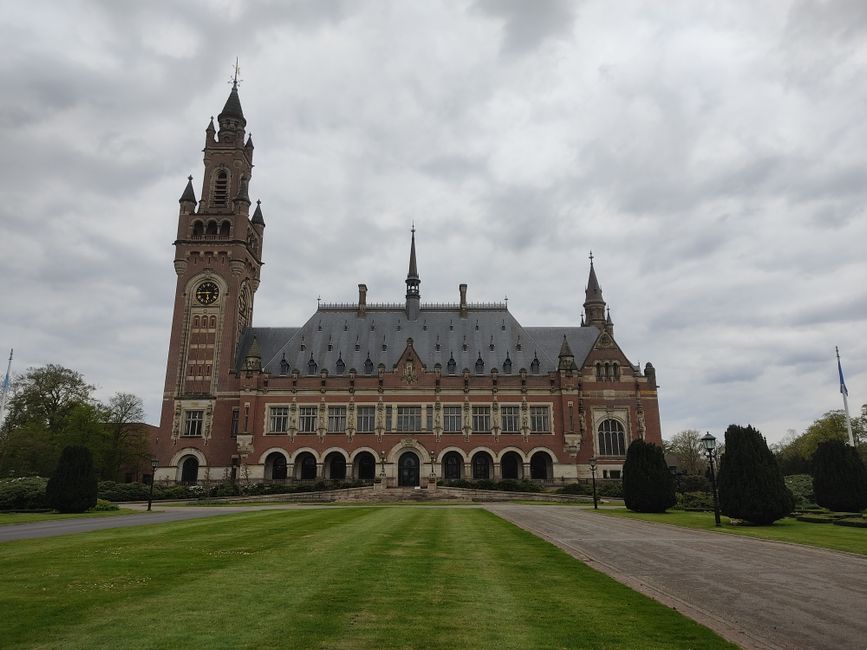
The International Court of Justice, which serves as the primary judicial body for the United Nations, has officially set the schedule for a significant human rights case. The legal proceedings involve the Democratic Republic of the Congo and Rwanda regarding alleged violations occurring on Congolese territory. This development marks a procedural step forward in a complex international dispute that has drawn global attention. The court, based at the Peace Palace in The Hague, issued an order on August 4, 2026, to formalize the timeline for the parties involved. According to the court's announcement, the Democratic Republic of the Congo must submit its formal memorial by October 4, 2027. Following this, Rwanda is required to file its counter-memorial by December 4, 2028. These deadlines provide a structured framework for both nations to present their arguments and evidence before the international bench. The case highlights the ongoing efforts of the international legal system to address claims of human rights abuses across borders. By setting these specific dates, the court ensures that both the applicant and the respondent have sufficient time to prepare their comprehensive legal positions. The International Court of Justice plays a vital role in resolving disputes between states through peaceful and judicial means. Its decisions are intended to uphold international law and provide a forum for accountability in cases where human rights are at the center of the conflict. As the proceedings move forward, the international community will be watching to see how the court evaluates the evidence presented by both sides. The court's role remains focused on interpreting treaties and international norms to reach a fair and impartial resolution. This case is part of a broader set of responsibilities managed by the court, which handles a variety of legal matters ranging from territorial disputes to human rights obligations. The formalization of this timeline is a standard but essential part of the judicial process in international law. It allows for a transparent and orderly progression of the case, ensuring that the principles of due process are maintained throughout the litigation.
Ask the Author
Subscribers can ask the journalist a question about this story. Subscribe to ask.
Neŭtraleca noto
Auto-harvested from global news wires and presented neutrally by PENN.
to vote
Comments
No comments yet — be the first to share your thoughts.
Related stories in Legal & Justice
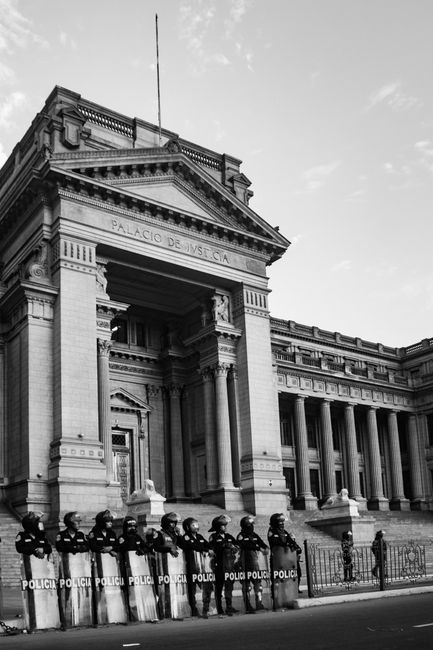
United Nations Experts Raise Alarm Over Peru's Constitutional Court Ruling on Crimes Against Humanity
2026-09-25
South Africa Constitutional Court Reviews Asylum Seeker Rights in Landmark Case
2026-09-25