
International Criminal Court Faces Intense Pressure Amid Global Political Debate
EU Foreign Policy Chief Kaja Kallas calls for urgent protection of the tribunal as political tensions rise over international accountability.
PENN Explainer
Hear this story explained in 90 seconds.
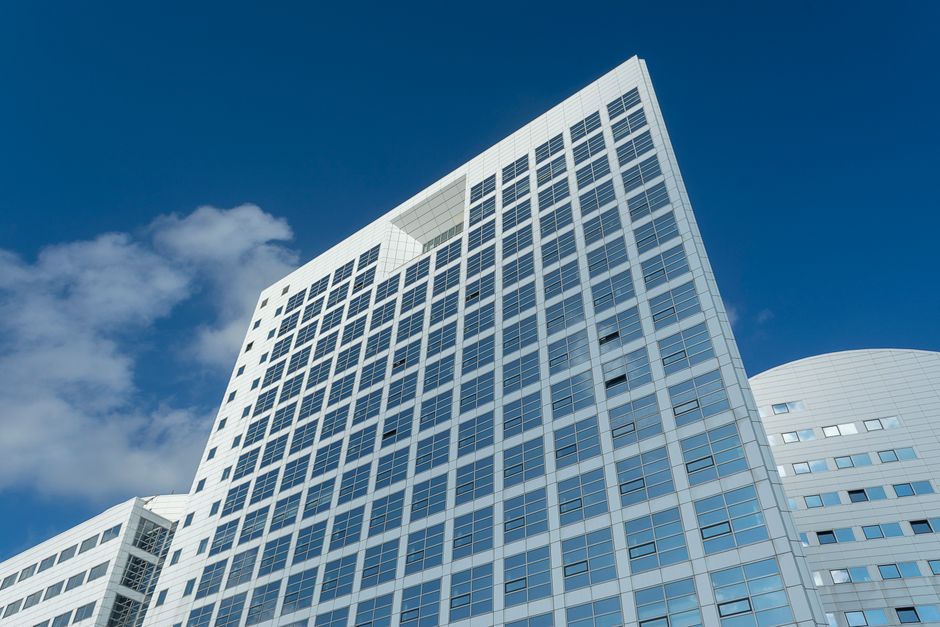
The International Criminal Court (ICC) is currently facing what many observers describe as immense political pressure. On September 21, 2026, the European Union's foreign policy chief, Kaja Kallas, issued a formal warning regarding the safety and independence of the tribunal. She emphasized that mounting political challenges directed at the court and its judges threaten the international legal order that was established following World War II. During a side event at the United Nations General Assembly in New York City, Kallas argued that existing judicial mechanisms must be defended as a primary line of protection for international law. She noted that the ICC embodies a critical global promise that victims of the most serious international crimes will not be abandoned. Kallas stressed that when accountability becomes politically inconvenient, the entire system risks being undermined. The warning comes as various global powers debate the role of international judicial institutions in ongoing conflicts. Kallas pointed to historical precedents such as the Nuremberg and Tokyo trials as evidence of the world's long-standing commitment to justice. She also highlighted contemporary mechanisms, such as the Special Tribunal for the Crime of Aggression against Ukraine, as vital tools for pursuing accountability where existing structures may prove insufficient. In her address, the Estonian diplomat cautioned against selective justice, stating that accountability must be applied universally. She specifically mentioned that investigations into alleged war crimes in regions like Syria, Afghanistan, and Gaza require the impartial application of international law. According to Kallas, failure to uphold these standards risks delegitimizing the entire international legal architecture. Meanwhile, international organizations like Human Rights Watch have called upon governments to resist efforts to weaken the ICC. The group recently urged a coalition of like-minded nations to protect the court against attempts by certain countries to bypass or dismantle its oversight. These tensions are occurring as world leaders gather for the annual UN General Assembly debates, which run from September 22 through September 28, 2026. Observers note that the debate over the ICC is also reflected in the shifting landscape of human rights accountability in other nations. For instance, the International Commission of Jurists (ICJ) recently expressed deep concern regarding the justice system in Venezuela. The group highlighted a lack of transparency and independence, arguing that robust international oversight is now more critical than ever. In addition to these broader institutional challenges, the ICC must navigate the practical difficulties of preserving evidence in active conflict zones. Kallas highlighted the importance of documenting potential crimes in places where infrastructure, such as rubble-clearing operations, is underway. She emphasized that the preservation of such evidence is essential for any future judicial proceedings. The global discourse on the ICC is further complicated by the diverse interests of the 193 member countries of the United Nations. With leaders from major powers, including the United States, France, Japan, and the United Kingdom, scheduled to speak, the future of international justice remains a top priority on the diplomatic agenda. Many delegates are expected to emphasize the need to maintain strong support for institutions that protect human rights. Legal experts suggest that the current situation represents a significant test for the post-World War II legal framework. As the ICC continues its work, the ability of the international community to balance political sovereignty with the demands of global accountability will likely remain a central theme in international relations. The outcome of these discussions could have lasting impacts on how international crimes are prosecuted in the future. Ultimately, the call for protection made by leaders like Kallas highlights the fragile nature of international legal bodies in a polarized world. Whether these institutions can maintain their mandate in the face of such intense pressure remains an open question. For now, the global legal community continues to monitor these developments closely as they unfold at the highest levels of international diplomacy.
Ask the Author
Subscribers can ask the journalist a question about this story. Subscribe to ask.
Nota de neutralidade
Auto-harvested from global news wires and presented neutrally by PENN.
to vote
Comments
No comments yet — be the first to share your thoughts.
Related stories in Legal & Justice
United Nations Experts Raise Alarm Over Peru's Constitutional Court Ruling on Crimes Against Humanity
2026-09-25
South Africa Constitutional Court Reviews Asylum Seeker Rights in Landmark Case
2026-09-25