Japan Plans Extended Weather Forecasts to Combat Climate-Driven Extremes
The Japan Meteorological Agency aims to double its forecast window to two weeks to improve disaster preparedness.

PENN Explainer
Hear this story explained in 90 seconds.
The Japan Meteorological Agency announced plans to extend its standard weather forecasts from seven days to two weeks. This shift is designed to help the country better prepare for the increasing frequency and intensity of extreme weather events. Officials hope to have these longer-range forecasts fully operational by 2030.
Scientists attribute the growing volatility of Japan's weather to human-induced climate change. Recent years have seen the country experience record-breaking heatwaves during the summer months. These shifts in climate patterns have made traditional short-term planning less effective for public safety.
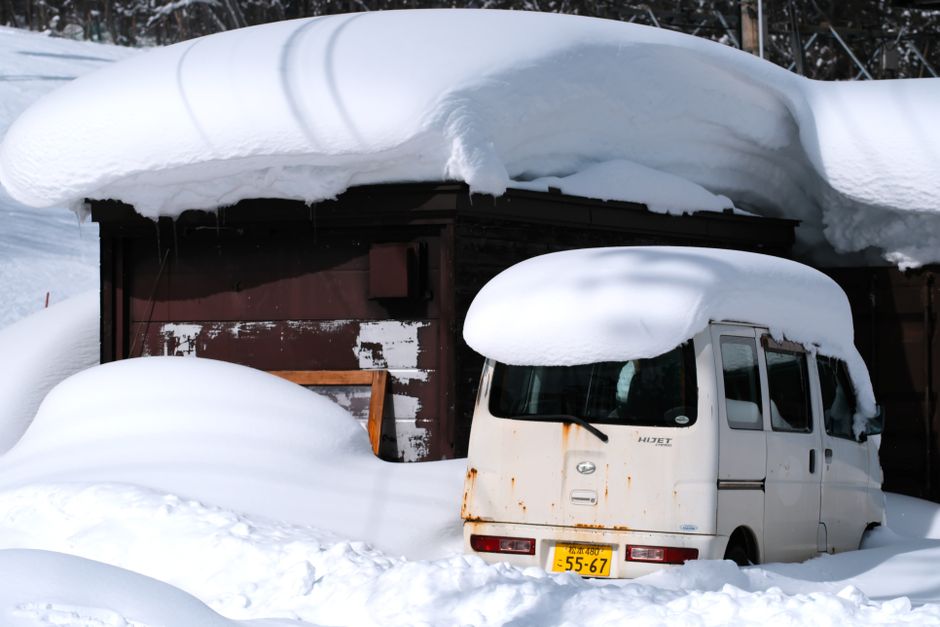
One primary motivation for the change is the logistical challenge of managing severe winter weather. Local authorities have reported that securing the necessary manpower for large-scale snow removal operations often requires at least two weeks of lead time. Extending the forecast window would allow municipalities to mobilize resources before storms arrive.
"Extended period of weather forecasts with warnings will help better preparations for extreme weather that have been frequently observed in recent years, something which is driven by global warming," said Masayuki Kyoda, an official at the Japan Meteorological Agency. He noted that the agency is currently focused on analyzing abnormal weather patterns to refine these new models.
Earlier this year, Japan faced significant challenges from record-breaking snowfall that began in late January 2026. The heavy accumulation caused widespread transportation disruptions and resulted in dozens of casualties across several prefectures. Regions along the Sea of Japan coast, including Niigata and Ishikawa, were particularly hard hit by the winter storms.
Preliminary analysis from the Weather Attribution Center Japan suggested that human-induced global warming may have influenced the intensity of these winter events. While rising temperatures generally reduce the proportion of precipitation falling as snow, strong cold air masses can still create conditions for record-breaking accumulation. This complex interaction highlights the difficulty of predicting modern weather patterns.
Beyond winter storms, Japan has also struggled with the impact of torrential summer rains. In August 2026, heavy rainfall in the Chiba region led to significant flooding and resulted in at least 13 deaths. These events have underscored the urgent need for more reliable and timely information for local communities.
An expert report commissioned by the meteorological agency concluded that recent advances in climate data observations and computer simulations make a two-week forecast feasible. The agency has been working to integrate these technological improvements into its existing infrastructure. This transition represents a significant update to the nation's disaster management strategy.
Effective early warning systems are considered essential for limiting the cascading impacts of climate change on society and the economy. The World Meteorological Organization has consistently emphasized that timely forecasts are vital for protecting infrastructure and public health. Japan's move aligns with a broader global effort to strengthen climate services.
As the agency prepares for this transition, it continues to monitor the evolving climate landscape. The goal is to provide citizens and local governments with the tools necessary to adapt to a changing environment. By improving long-term visibility, officials hope to reduce the human and economic costs of future weather disasters.
You've reached your free article limit
You've read 10 of 10 free articles this month. Subscribe to Planet Earth News Network for unlimited access to neutral, global journalism — plus puzzles, podcasts, and the weekly newsletter.
Already a subscriber? Sign in.
Ask the Author
Subscribers can ask the journalist a question about this story. Subscribe to ask.
Заметка о нейтральности
Auto-harvested from global news wires and presented neutrally by PENN.
to vote
Comments
No comments yet — be the first to share your thoughts.