Japanese Equities Surge as Technology Sector Leads Market Rally
The Nikkei 225 index climbs as investors react to new artificial intelligence developments and shifting monetary policy expectations.
PENN Explainer
Hear this story explained in 90 seconds.
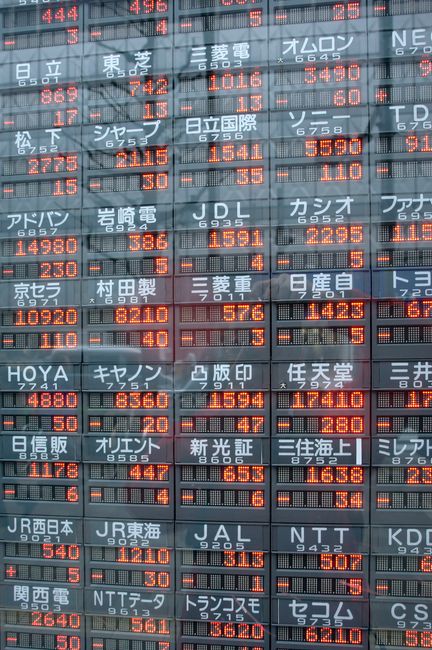
The Japanese stock market experienced a significant boost this week, with the Nikkei 225 index recording notable gains. Investors showed renewed optimism as technology shares rallied, following positive trends among major chipmakers and memory stock producers in the United States. This upward movement marks a period of increased activity for the Tokyo exchange as market participants weigh global economic signals against domestic policy changes.
Much of the recent enthusiasm in the Japanese market stems from excitement surrounding new artificial intelligence models. Analysts suggest that these technological advancements could substantially increase the demand for high-performance computing power. Major companies, including SoftBank Group and Advantest, saw their share prices rise as investors positioned themselves to benefit from this potential growth in the tech sector.
While the technology rally provided a strong foundation for the market, broader economic factors remain at the forefront of investor concerns. The Bank of Japan recently increased its uncollateralized overnight call rate to 1.25 percent, moving up from 1 percent. This decision, finalized during the bank's September meeting, reflects an ongoing effort to manage persistent inflation and address the long-standing weakness of the yen.
Policy discussions within the central bank indicate that officials are carefully monitoring the country's economic trajectory. According to a summary of the September board meeting, at least one member of the Bank of Japan board suggested that the nation's policy phase has shifted. This official emphasized the critical need to keep underlying inflation stable around the bank's 2 percent target.
The Japanese yen has faced significant pressure throughout the year, creating a complex environment for policymakers. In an effort to stabilize the currency, the Japanese government has engaged in discussions regarding economic competitiveness and market confidence. Prime Minister Sanae Takaichi has stated that her administration aims to boost growth potential through bold investments in crisis management and key growth areas.
Despite these efforts, the yen remains a point of focus for international investors and domestic businesses alike. Data from the Big Mac Index suggests that the currency remains significantly undervalued compared to the global basket, which continues to influence trade dynamics. Policymakers are now tasked with balancing the need for a stronger currency with the desire to maintain export competitiveness.
Market participants are also keeping a close watch on the United States, where economic data continues to influence global sentiment. Stronger-than-expected jobs reports in the U.S. have led some investors to anticipate further interest rate adjustments by the Federal Reserve. Because Japan's financial markets are deeply integrated with global trends, these international developments often impact local trading patterns.
Beyond the stock market, the broader Japanese economy is navigating a changing landscape in the property and infrastructure sectors. Rising interest rates have prompted domestic banks to rethink their mortgage lending models to account for increased risk. Meanwhile, global investors continue to show interest in Japan's infrastructure market, drawn by the potential for strong returns despite the current economic headwinds.
Looking ahead, the focus for many analysts will be on how the Bank of Japan balances its interest rate strategy with the need for sustained economic growth. The central bank has offered mixed signals regarding the timing of future rate hikes, leaving investors to parse every statement for clues. This uncertainty means that market volatility may persist as the country works to solidify its recovery.
Ultimately, the performance of the Nikkei 225 will likely depend on a combination of technological innovation and stable monetary policy. As companies continue to invest in digital infrastructure and the government pursues its economic agenda, the market will remain a key indicator of Japan's financial health. Observers expect that the interplay between domestic policy and global market forces will define the economic outlook for the remainder of the year.
Ask the Author
Subscribers can ask the journalist a question about this story. Subscribe to ask.
Nota neutralitatis
Auto-harvested from global news wires and presented neutrally by PENN.
to vote
Comments
No comments yet — be the first to share your thoughts.
Related stories in Markets & Economy

Bank of Japan Adjusts Monetary Policy Amid Currency Volatility and Inflation Targets
2026-10-02
U.S. Holiday Retail Sales Projected to Surpass $1 Trillion Milestone
2026-10-01