Japan's Real Estate Market Shows Strong Urban Growth Amidst Rising Interest Rates
Major cities like Tokyo lead national property price increases as investors navigate a shifting economic landscape in 2026.
PENN Explainer
Hear this story explained in 90 seconds.
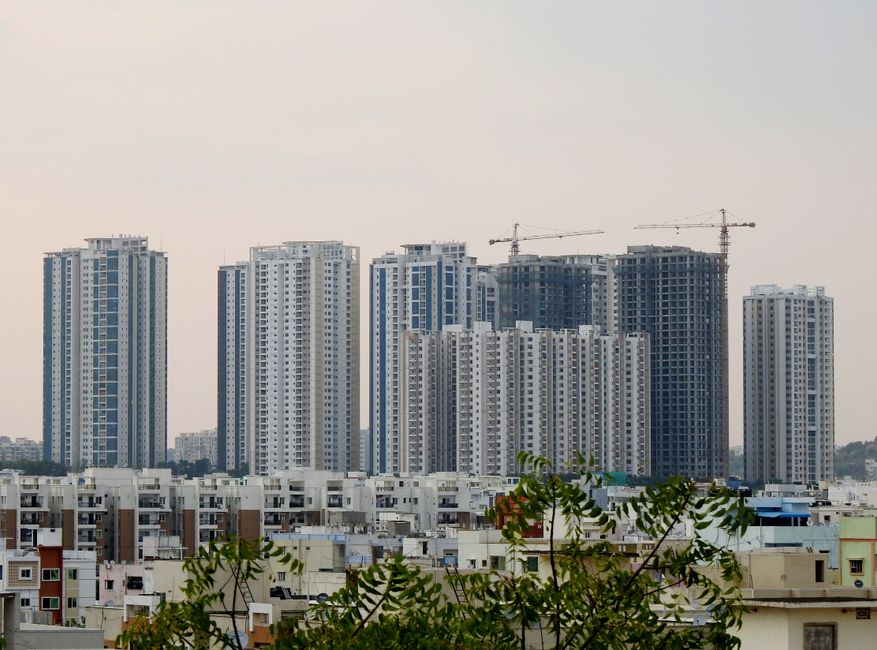
Japan’s real estate market has entered the second half of 2026 with a notable trend of rising property values in major urban centers. While the nation continues to grapple with long-term population decline, cities such as Tokyo, Osaka, and Fukuoka are experiencing sustained demand. This divergence has created a market where central metropolitan areas remain highly attractive to both domestic and international investors. Official data from the Ministry of Land, Infrastructure, Transport, and Tourism indicates that nationwide land prices rose by 2.8% as of early 2026. This growth is largely driven by the strength of these key economic hubs, which continue to see significant population inflows. In contrast, many rural areas and aging suburbs face persistent challenges, including a record 9.0 million vacant homes across the country. These vacant properties represent approximately 13.8% of Japan's total housing stock, highlighting a stark contrast between thriving city centers and shrinking rural regions. Tokyo remains the primary engine of this growth, with the luxury residential segment seeing particularly strong performance. The average residential price in the capital has reached approximately 91.4 million JPY, marking a 10.7% increase year-on-year. Analysts expect this upward trajectory to continue, with forecasts suggesting further price increases of 5% to 6% in major cities throughout the remainder of 2026. Commercial real estate has also seen record-breaking activity, with investment volumes hitting 6.5 trillion JPY in 2025. Tokyo has notably surpassed cities like New York and London to become the world’s top destination for direct real estate investment. This influx of capital reflects a high level of confidence in the long-term resilience of Japan’s urban property markets. However, the market is also adjusting to the highest interest rates seen in three decades. These higher financing costs are forcing investors to be more selective, prioritizing properties with strong rental demand and excellent transport access. Recent divestment activity underscores this strategic shift, as firms like Avatar Capital have successfully sold off apartment portfolios to capitalize on current market conditions. For instance, Avatar Capital recently completed the sale of four Tokyo apartment blocks for 64 million USD, following a successful period of asset management. Such transactions demonstrate that while the cost of borrowing has increased, high-quality, income-producing residential assets remain in high demand. Industry participants are closely watching how these shifting economic conditions will influence future development projects. Major firms, including Sumitomo Corporation and Fujita, continue to acquire and develop properties in prime locations like Minato-ku and near Toranomon Hills. These moves suggest that despite the broader economic adjustments, the appetite for well-positioned real estate in Japan’s largest cities remains robust. As the year progresses, the focus for many stakeholders will be on balancing these rising costs with the sustained demand for urban living spaces.
You've reached your free article limit
You've read 10 of 10 free articles this month. Subscribe to Planet Earth News Network for unlimited access to neutral, global journalism — plus puzzles, podcasts, and the weekly newsletter.
Already a subscriber? Sign in.
Ask the Author
Subscribers can ask the journalist a question about this story. Subscribe to ask.
Nota neutralitatis
Auto-harvested from global news wires and presented neutrally by PENN.
to vote
Comments
No comments yet — be the first to share your thoughts.