Kenya Expands Urban Hydroponic Initiatives to Strengthen Food Security
Local agricultural programs are deploying vertical farming technology to help urban households grow fresh produce in space-constrained environments.
PENN Explainer
Hear this story explained in 90 seconds.
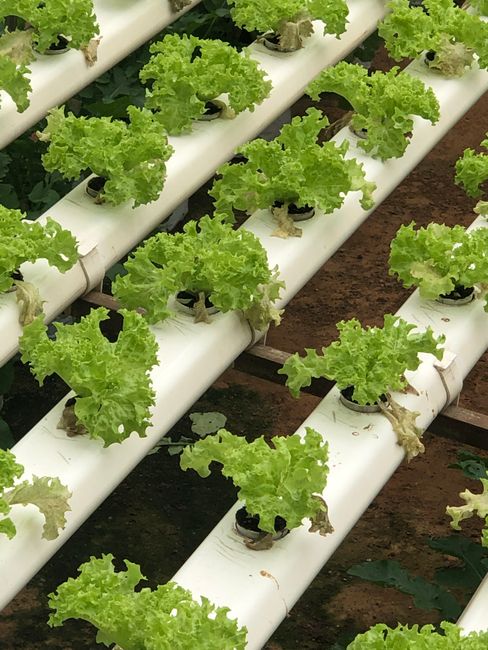
Urban households and small-scale farmers in Kenya are increasingly turning to hydroponic farming to address rising food security challenges. This shift comes as rapid urbanization and climate-related pressures make traditional soil-based agriculture more difficult in densely populated areas. The initiative focuses on providing sustainable, space-efficient solutions that allow residents to grow fresh food within city limits.
The Food and Agriculture Organization of the United Nations has highlighted these efforts as a key strategy for building climate-resilient communities. By utilizing vertical hydroponic systems, farmers can produce high-quality crops without the need for large tracts of arable land. This approach is particularly beneficial for regions where soil quality is poor or water resources are limited.
A central component of the project involves the design and manufacture of locally made hydroponic equipment. By creating these systems within Kenya, organizers aim to keep costs affordable for small-scale producers and urban families. This local production model also reduces reliance on expensive imported agricultural technology.
Beyond hardware, the program emphasizes the importance of knowledge transfer through hands-on training and online workshops. These educational sessions help participants build the technical skills necessary to manage nutrient solutions and monitor plant health effectively. Organizers believe that empowering individuals with these skills is essential for the long-term success of urban farming.
Demonstration farms have been established in various neighborhoods to showcase the effectiveness of the technology. These sites serve as practical learning hubs where community members can observe the growth cycles of different vegetables. Seeing the results firsthand encourages wider adoption among neighbors and local youth.
Awareness campaigns are also running alongside these practical activities to promote the broader benefits of hydroponics. These efforts highlight how controlled-environment agriculture can conserve water and reduce the carbon footprint associated with food transportation. Supporters argue that such circular strategies are vital for modern urban planning.
Hydroponic systems are designed to be highly productive, often yielding more produce per square meter than traditional methods. This high yield potential is a critical factor in addressing the nutritional needs of growing urban populations. As the compound annual growth rate for such systems increases, experts expect more cities to integrate these practices into their infrastructure.
Similar trends are being observed globally as nations seek to adapt to a changing climate. From refugee camps in Jordan to urban centers in Africa, hydroponics is providing a pathway for communities to achieve greater self-sufficiency. These localized food systems offer a buffer against global supply chain disruptions and price volatility.
Critics and researchers continue to study the long-term viability of these urban farming models. While the technology offers clear advantages, maintaining consistent nutrient levels and managing energy costs remain ongoing challenges for operators. Future developments will likely focus on integrating renewable energy sources to power these indoor systems.
As the project in Kenya continues to evolve, the focus remains on inclusivity and community empowerment. By targeting youth and women as primary beneficiaries, the initiative aims to create a more equitable agricultural landscape. These efforts represent a significant step toward ensuring that urban residents have reliable access to fresh, nutritious food.
Ask the Author
Subscribers can ask the journalist a question about this story. Subscribe to ask.
Nota neutralitatis
Auto-harvested from global news wires and presented neutrally by PENN.
to vote
Comments
No comments yet — be the first to share your thoughts.
Related stories in Agriculture & Food Security
Côte d’Ivoire Launches Strategic Investment Program to Empower Women Farmers
2026-10-02
Global Fertilizer Supply Chains Face Severe Disruptions Amid Middle East Conflict
2026-10-01