Kenya Marine Biodiversity Credit Program Boosts Mangrove Restoration and Local Livelihoods
Innovative financial model incentivizes coastal communities to restore vital ecosystems while securing economic stability.
PENN Explainer
Hear this story explained in 90 seconds.
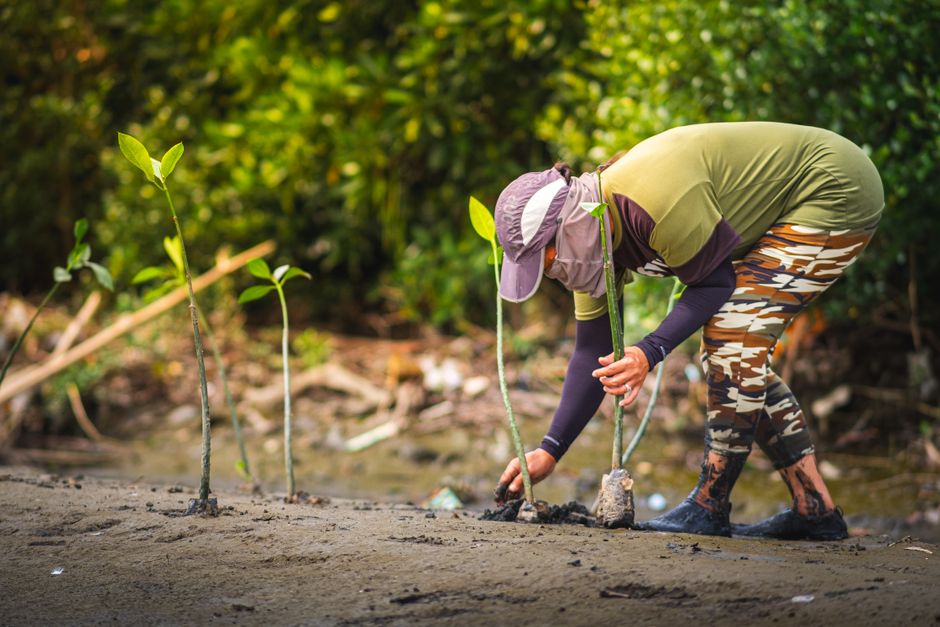
In the coastal region of Marereni, Kenya, a new marine biodiversity credit program is transforming how local communities interact with their environment. By focusing on the restoration of mangrove forests, the initiative provides a dual benefit of ecological recovery and economic support for residents. This program recognizes that healthy mangroves are essential for protecting shorelines and supporting local fish populations. Emmanuel Gona, a fisherman and community scout from the village of Muyu wa Kae, has become a key figure in these efforts. He emphasizes that restoring these ecosystems is a practical strategy for boosting fish stocks, which directly impacts the food security of the area. The project is supported by partnerships between local community members and organizations like Seatrees and COBEC. These groups work together to ensure that the restoration process is both scientifically sound and beneficial to the people living nearby. By creating a financial mechanism that values biodiversity, the program offers a sustainable alternative to traditional resource extraction. The credits generated through the program provide a steady stream of funding for ongoing conservation work. This approach allows communities to take ownership of their natural resources while receiving tangible rewards for their stewardship. Participants are trained in effective planting and monitoring techniques to ensure the long-term survival of the new mangrove saplings. The success of this model in Marereni is drawing attention as a potential blueprint for other coastal regions facing similar environmental challenges. By linking conservation directly to economic outcomes, the program addresses the root causes of habitat degradation. It demonstrates that environmental protection and community development can be mutually reinforcing goals. As the program continues to scale, it offers a hopeful example of how nature-based solutions can be integrated into local economies. The ongoing commitment of the Marereni community serves as a testament to the effectiveness of locally-led conservation initiatives.
Ask the Author
Subscribers can ask the journalist a question about this story. Subscribe to ask.
Nota di neutralità
Auto-harvested from global news wires and presented neutrally by PENN.
to vote
Comments
No comments yet — be the first to share your thoughts.