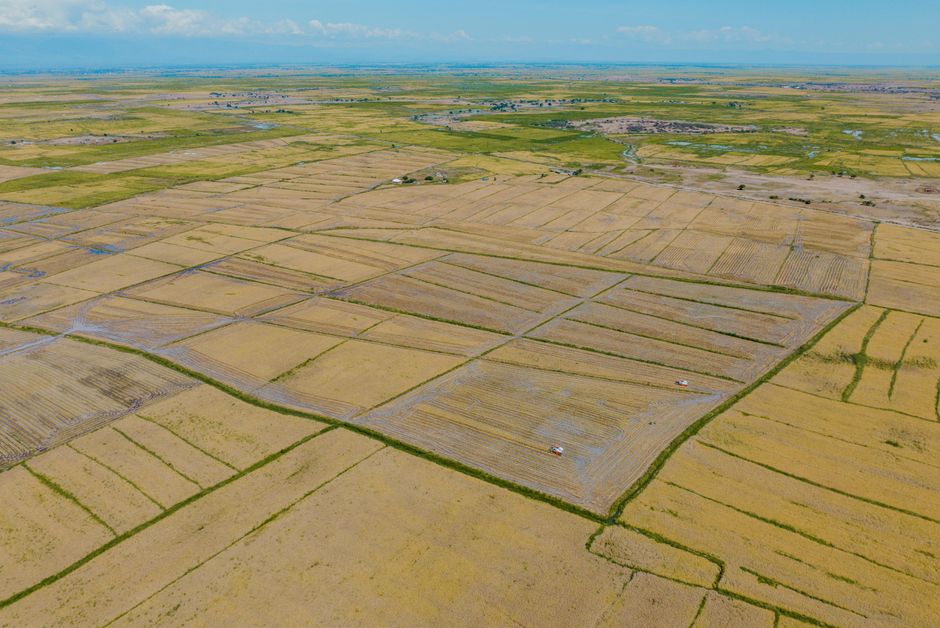
Kenya Unveils Ambitious Sh1.08 Trillion Agriculture Investment Plan
The government aims to bolster national food security by leveraging significant private sector investment to modernize farming infrastructure.
PENN Explainer
Hear this story explained in 90 seconds.
The Kenyan government has officially introduced a comprehensive agricultural investment blueprint valued at Sh1.08 trillion. This strategic plan is designed to strengthen the nation's food security and modernize its agricultural systems. A central component of this initiative is the reliance on private sector financing, which is expected to cover nearly half of the total project costs. This move marks a significant shift toward utilizing private capital to drive large-scale agricultural development across the country.
This new investment plan comes at a time when Kenya is actively seeking to improve its resilience against climate-related challenges. By focusing on sustainable agriculture and technological innovation, the government hopes to support smallholder farmers who form the backbone of the rural economy. The plan aligns with broader goals discussed during the Kenya National Food Systems Summit 2025, which emphasized the need for long-term climate adaptation strategies.
Private investment is already playing a visible role in reshaping various sectors of Kenyan agriculture. For instance, commercial farms in regions like Makueni County are utilizing loans from international groups to improve fodder production for cattle. These efforts are crucial for protecting the livelihoods of millions of livestock keepers who often face risks during drought cycles. By stabilizing feed supplies, farmers can better manage their herds even when environmental conditions become difficult.
Aquaculture is another area seeing significant private capital infusion. Victory Farms, a major player in the industry, recently announced a Sh750 million expansion of its tilapia cage farming operations in Lake Victoria. This project aims to increase production to approximately 30,000 tonnes per annum using advanced cage systems in Migori County. Such developments are intended to capitalize on the growing demand for white meat while creating hundreds of direct jobs for local communities.
Despite these advancements, the country continues to monitor food commodity prices closely. Monthly reports from the Food Security Portal track trends for essential items like dry maize, wheat, rice, and Irish potatoes. These data points help policymakers understand market fluctuations and the impact of supply chain developments on household food access. Maintaining stable prices remains a priority for ensuring that food remains affordable for the general population.
Rapid population growth, currently estimated at 2.9 percent annually, adds pressure to the existing food systems. This demographic trend necessitates a consistent increase in agricultural output to keep pace with rising demand. The government's new blueprint seeks to address this by improving infrastructure and encouraging more efficient farming practices. These efforts are vital for ensuring that the food supply can support the country's expanding needs.
In addition to large-scale commercial projects, there is a continued focus on community-level resilience. In areas like Turkana County, where food insecurity remains a challenge, initiatives are underway to improve access to safe water and essential resources. These localized efforts are often supported by philanthropic organizations and international partners working alongside local authorities. Strengthening these communities is considered a key step in achieving national food security goals.
Technological innovation is also being integrated into the broader agricultural strategy. From improved irrigation techniques to better crop management systems, the adoption of new tools is helping farmers increase their yields. The government's plan encourages the scaling of these technologies to reach more farmers across different counties. By fostering an environment that supports innovation, Kenya aims to become more self-sufficient in food production.
As the implementation of the Sh1.08 trillion plan begins, stakeholders are watching closely to see how private sector partnerships will evolve. The success of this blueprint will likely depend on the ability of both public and private entities to work together effectively. If successful, the initiative could serve as a model for other nations in the region looking to attract investment into their agricultural sectors. The focus remains on creating a sustainable and productive future for all Kenyan farmers.
Ask the Author
Subscribers can ask the journalist a question about this story. Subscribe to ask.
Neutrality note
Auto-harvested from global news wires and presented neutrally by PENN.
to vote
Comments
No comments yet — be the first to share your thoughts.
Related stories in Agriculture & Food Security

European Commission Outlines New Framework for Sustainable Farming Post-2027
2026-09-24
European Economic and Social Committee Calls for Shift to Regenerative Agriculture
2026-09-24