Politicsen
Libya Faces Political Impasse as Security Council Monitors Escalating Conflict
Ongoing instability and recent drone strikes threaten national elections and critical infrastructure in Libya.
PENN Explainer
Hear this story explained in 90 seconds.
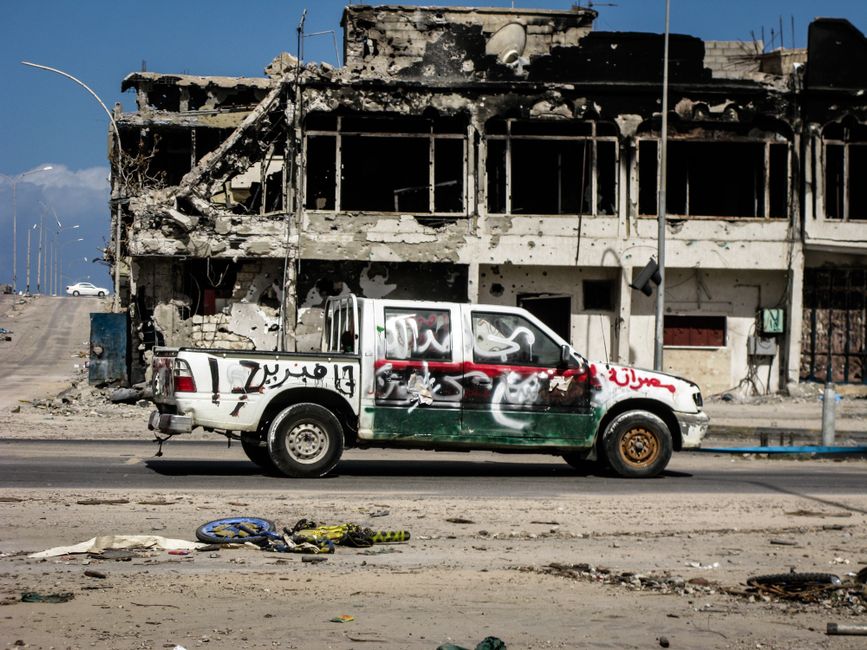
The United Nations Security Council recently convened to address the deepening political impasse in Libya. This situation has caused significant delays for long-planned national elections, which are seen as a vital step toward stabilizing the country. The international community remains concerned about the lack of progress in establishing a unified government. Recent reports indicate that the political deadlock is contributing to a fragile security environment across the nation. The Security Council continues to monitor these developments closely to prevent further regional instability. Clashes between rival factions have intensified in recent weeks, leading to increased violence in several key areas. These military engagements have complicated efforts to reach a diplomatic resolution between competing political leaders. Observers note that the absence of a clear path to elections leaves the country in a state of uncertainty. The international community has urged all parties to prioritize dialogue over military action to protect the civilian population. A major oil refinery was recently set ablaze following a series of drone strikes, highlighting the severe risks to Libya's critical infrastructure. This incident has disrupted energy production and raised alarms about the potential for further economic damage. The destruction of such facilities complicates the already difficult task of rebuilding the national economy. Local authorities are working to assess the full extent of the damage caused by the strikes. The incident serves as a stark reminder of how quickly regional tensions can impact the daily lives of citizens. Activists have warned that the combination of political instability and environmental challenges is creating a humanitarian crisis. Extreme heat and water scarcity are placing additional pressure on communities already struggling with the effects of the conflict. These factors are exacerbating the difficulties faced by those living in affected regions. International aid organizations are calling for increased support to address these urgent needs. The situation remains fluid as diplomatic efforts continue to seek a peaceful way forward for the Libyan people.
Ask the Author
Subscribers can ask the journalist a question about this story. Subscribe to ask.
Neutrality note
Auto-harvested from global news wires and presented neutrally by PENN.
to vote
Comments
No comments yet — be the first to share your thoughts.