Manhattan-Sized Ice Island Breaks Free from Greenland's Petermann Glacier
Satellite imagery confirms a 76-square-kilometer slab of ice has detached from one of the Arctic's largest glaciers following rapid crack expansion.
PENN Explainer
Hear this story explained in 90 seconds.
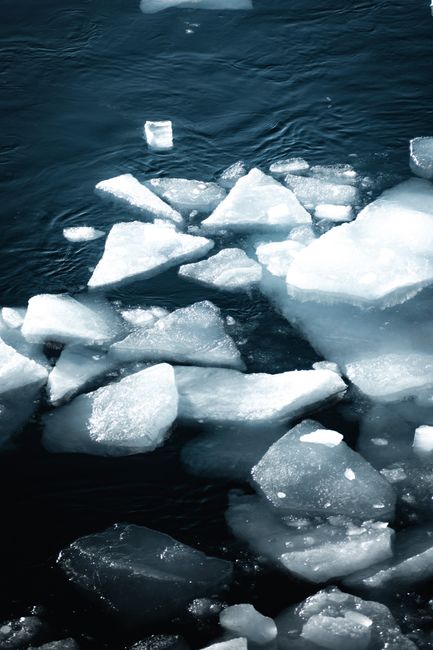
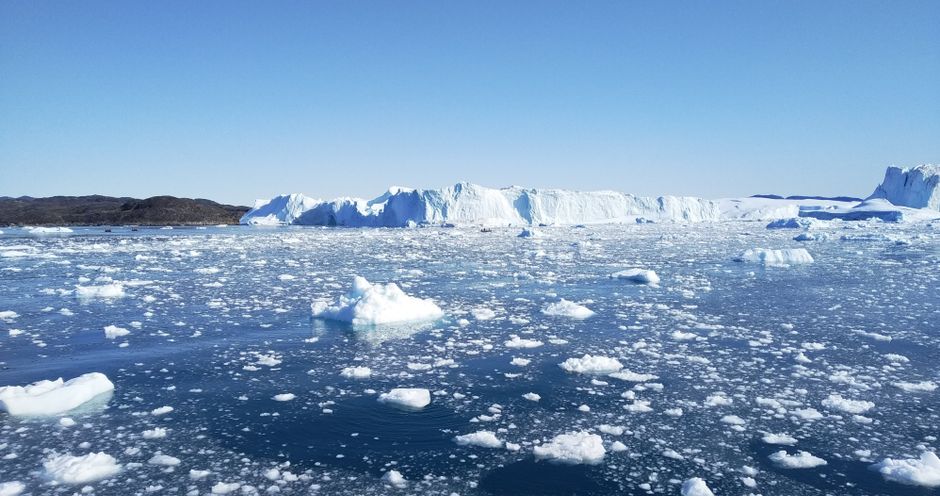
A massive ice island roughly the size of Manhattan has broken away from the Petermann Glacier in North Greenland. Satellite imagery captured the moment the 76-square-kilometer slab of ice detached from the main glacier body on August 25, 2026. Researchers had been monitoring the area closely after observing cracks spreading rapidly across the ice surface in the weeks leading up to the break. This event represents a significant change for one of the largest and most important glaciers in the Arctic region.
The Petermann Glacier is known for its long floating ice tongue that extends far into the ocean. This floating section acts as a natural barrier that slows down the flow of ice from the land into the sea. When large pieces break off, a process known as calving, the remaining glacier can sometimes move faster toward the water. Scientists from organizations like the European Space Agency have been using high-resolution radar to track these movements in real time.
This recent break is part of a long-term pattern of retreat for the Petermann Glacier. Similar large-scale calving events occurred in 2010 and 2012, which significantly reduced the length of the glacier's floating tongue. While calving is a natural process for glaciers, the frequency and size of these events in recent years have drawn intense interest from the scientific community. Each major break changes the shape of the coastline and the dynamics of the local marine environment.
Experts point to two main factors that contribute to the weakening of the ice shelf. First, warming ocean currents are flowing underneath the floating ice, melting it from below and making it thinner. Second, rising air temperatures during the Arctic summer create meltwater on the surface of the glacier. This water can seep into existing cracks, acting like a wedge that eventually forces the ice apart.
The National Aeronautics and Space Administration, commonly known as NASA, has also been involved in documenting these changes through its Earth-observing satellites. These tools allow researchers to measure the thickness of the ice and the speed at which it moves. By comparing data from different years, they can see how the glacier is responding to changing environmental conditions. The data shows that the grounding line, where the glacier meets the seabed, has been shifting inland.
Although the ice island was already floating before it broke off, its separation is a signal of broader changes in the Greenland ice sheet. The ice sheet contains enough water to raise global sea levels significantly if it were to melt entirely. While this single event does not cause an immediate rise in sea level, it indicates that the protective ice shelves are becoming less stable. This stability is crucial for keeping land-based ice from sliding into the ocean.
The new ice island is now drifting into the Nares Strait, a narrow waterway between Greenland and Canada's Ellesmere Island. Authorities are monitoring its path to ensure it does not pose a risk to shipping lanes or local ecosystems. Large icebergs like this can persist for several years as they slowly melt and break into smaller fragments. They also release large amounts of freshwater into the salty ocean, which can affect local currents.
Local wildlife, including seals and polar bears, often use these large ice platforms for hunting and resting. However, the rapid loss of stable ice can disrupt their traditional habitats and migration routes. Scientists are studying how these animals adapt when their environment changes so quickly. The loss of the ice tongue also changes the light and temperature levels in the water below, affecting tiny marine organisms.
International research teams are currently planning new expeditions to the region to study the aftermath of the break. They hope to collect water samples and ice cores to better understand the interaction between the ocean and the glacier. These studies help improve computer models that predict how the Arctic will look in the coming decades. Accurate models are essential for coastal cities around the world to prepare for future sea-level changes.
The event at Petermann Glacier serves as a clear example of the rapid physical transformations occurring in the far north. As the Arctic continues to warm at a rate faster than the global average, these types of events are expected to become more common. The international community remains focused on monitoring these changes to understand their long-term impact on the planet's climate system. For now, the Manhattan-sized ice island remains a visible reminder of the dynamic nature of the Greenland landscape.
Ask the Author
Subscribers can ask the journalist a question about this story. Subscribe to ask.
Neutrality note
Auto-harvested from global news wires and presented neutrally by PENN.
to vote
Comments
No comments yet — be the first to share your thoughts.