Mongolian Communities Lead Massive Khulan Reintroduction to Restore Steppe Ecosystems
Hundreds of wild asses return to their ancestral range in Eastern Mongolia after a 65-year absence, marking a milestone for grassland conservation.
PENN Explainer
Hear this story explained in 90 seconds.
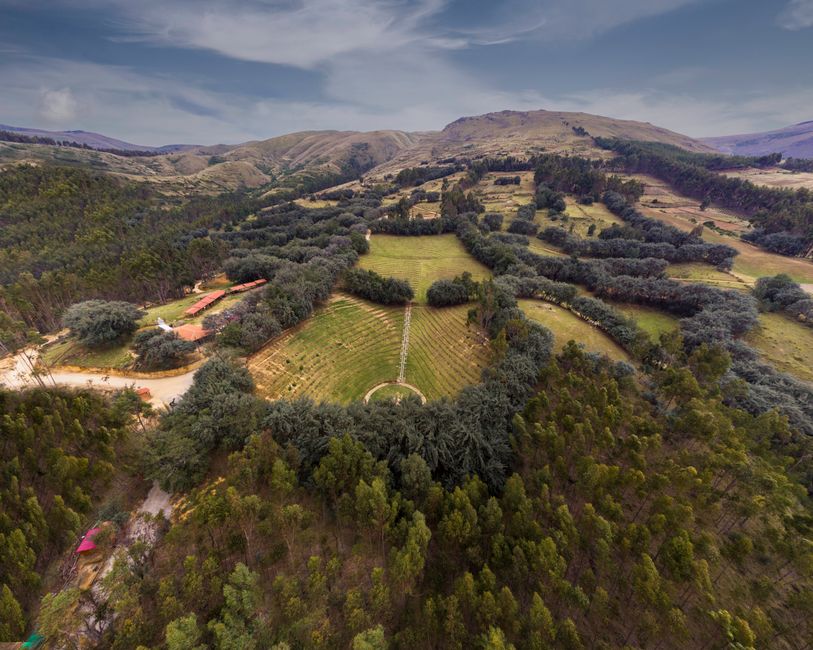
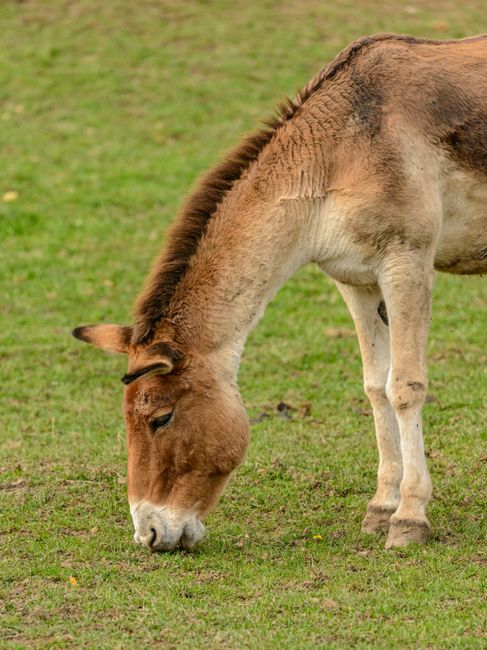
In a significant ecological milestone for Central Asia, hundreds of Khulan, or Mongolian wild asses, have returned to the eastern steppes of Mongolia. This migration marks the first time the species has been seen in this specific region in over 65 years. The return of these animals is the result of a long-term, multi-stakeholder conservation effort aimed at restoring the natural balance of the vast grassland ecosystem. By re-establishing the Khulan in their ancestral range, conservationists hope to revitalize the health of the steppe, which has suffered from decades of habitat fragmentation and human encroachment.
The Khulan is a keystone species that plays a vital role in maintaining the biodiversity of the Mongolian plains. As they graze, these animals help manage vegetation growth and distribute seeds across the landscape, which supports a variety of other native species. Their presence is considered a primary indicator of a healthy, functioning ecosystem. The loss of the Khulan from the eastern region had previously led to a decline in the overall resilience of the local environment against climate-related stressors.
This reintroduction project was made possible through a collaborative partnership between local nomadic communities, government environmental agencies, and international wildlife organizations. The initiative focused on creating protected corridors that allow the animals to move safely across the landscape without the threat of poaching or industrial interference. By engaging local herders in the monitoring process, the project has fostered a sense of shared responsibility for the protection of the species. This community-led approach ensures that the needs of the local population are balanced with the requirements of the wildlife.
One of the primary challenges addressed by the project was the impact of infrastructure development, such as roads and fences, which had previously blocked traditional migration routes. Conservationists worked with local authorities to modify these barriers, allowing the Khulan to traverse the steppe more freely. These structural changes were essential to providing the animals with access to necessary water sources and seasonal grazing grounds. The success of these modifications has provided a blueprint for future wildlife corridor projects in other parts of the country.
Local herders have played a crucial role in the ongoing success of the reintroduction by acting as stewards of the land. Many families have voluntarily adjusted their grazing patterns to avoid conflict with the returning herds, demonstrating a commitment to long-term ecological health. This cooperation has been supported by educational programs that highlight the economic and environmental benefits of a thriving Khulan population. The integration of traditional knowledge with modern conservation science has proven to be a highly effective strategy.
Monitoring efforts are currently underway to track the movement and health of the newly returned herds. Researchers are using satellite tracking technology and ground-based surveys to gather data on the animals' adaptation to their old-new home. This information is being used to refine management strategies and ensure that the population remains stable and continues to grow. The data collected will also help inform future conservation policies for other endangered species in the region.
Beyond the immediate benefits to the Khulan, the project has had a positive impact on the broader steppe ecosystem. Observers have noted an increase in the diversity of plant life in areas where the herds have been active, suggesting that the ecosystem is beginning to recover. This natural restoration process is expected to improve soil quality and water retention over time. The return of the Khulan is seen as a vital step in mitigating the effects of desertification in the region.
The project has also served as a catalyst for increased environmental awareness among the public in Mongolia. It has sparked national conversations about the importance of preserving the country's unique natural heritage for future generations. Government officials have expressed interest in scaling up the model used in the eastern steppes to other parts of the country. This interest reflects a growing recognition of the value of nature-based solutions in addressing environmental challenges.
International conservation groups have praised the initiative as a model for successful species reintroduction. The project demonstrates that when local communities are empowered to lead, conservation efforts can achieve lasting results. The collaboration between diverse stakeholders has proven that it is possible to reconcile human activity with the needs of wild populations. This success story provides a hopeful outlook for other regions facing similar biodiversity loss.
Looking ahead, the focus will remain on maintaining the protected status of the migration corridors and ensuring the continued support of local communities. Future plans include expanding the monitoring network to cover a larger portion of the eastern steppes. By building on the current momentum, the project aims to secure a permanent future for the Khulan in their ancestral home. The return of these animals is a testament to the power of collective action in restoring the natural world.
Ask the Author
Subscribers can ask the journalist a question about this story. Subscribe to ask.
Neutrality note
Auto-harvested from global news wires and presented neutrally by PENN.
to vote
Comments
No comments yet — be the first to share your thoughts.