
Namibia Achieves Historic Low in Rhino Poaching Through Community-Led Conservation
Strategic anti-poaching efforts and community engagement lead to the lowest rhino poaching rates in over a decade.

PENN Explainer
Hear this story explained in 90 seconds.
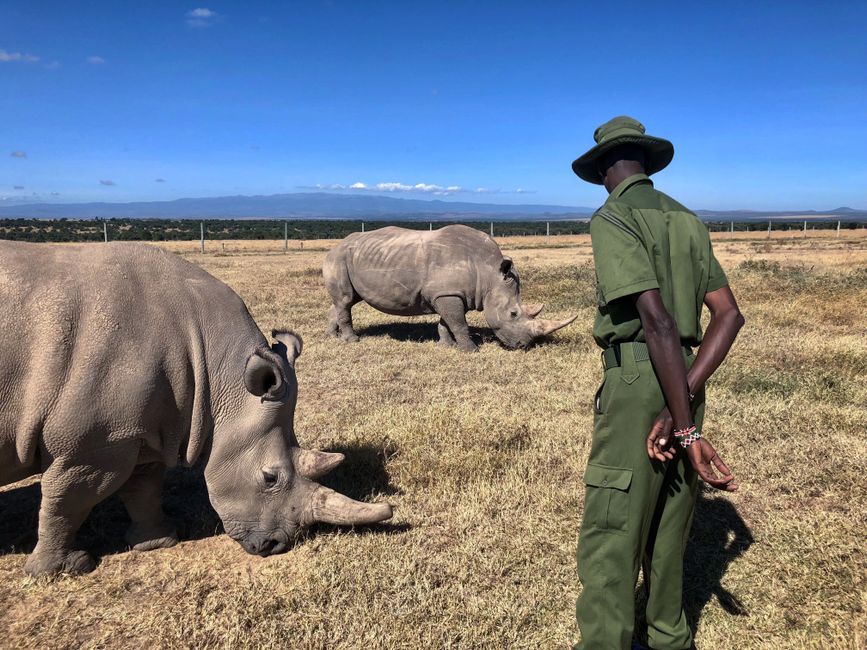
Namibia has reached a significant milestone in wildlife conservation, recording its lowest rate of rhino poaching in more than a decade. This achievement, reported in July 2026, highlights the effectiveness of combining rigorous anti-poaching operations with community-led conservation initiatives. By empowering local populations to act as stewards of their natural resources, the nation has created a robust defense against illegal wildlife trafficking. The success serves as a model for other regions struggling to protect endangered species from criminal syndicates. Conservationists point to this trend as evidence that local involvement is essential for long-term wildlife security. The data reflects a shift in how the country manages its iconic rhino populations, moving away from purely reactive measures toward proactive, community-based protection. This approach ensures that the people living closest to wildlife have a direct stake in their survival. Such programs often provide economic incentives that make live animals more valuable to the community than those lost to poaching. These efforts are supported by international organizations like the World Wildlife Fund, which emphasize that protecting species requires more than just law enforcement. Stronger prosecutions and consistent sentencing for wildlife crimes remain critical components of this strategy. By disrupting the networks that facilitate the illegal trade of rhino horn, authorities have made it increasingly difficult for poachers to operate. The collaboration between government agencies and local conservancies has been described as a landmark effort in modern conservation. While the threat of poaching persists, the current downward trend offers a hopeful outlook for the future of rhinos in Namibia. Continued vigilance and sustained funding are necessary to maintain these gains and ensure the long-term recovery of the species. The success in Namibia demonstrates that when conservation is treated as a shared responsibility, meaningful progress is possible.
Ask the Author
Subscribers can ask the journalist a question about this story. Subscribe to ask.
Neutrality note
Auto-harvested from global news wires and presented neutrally by PENN.
to vote
Comments
No comments yet — be the first to share your thoughts.
Related stories in Hunting and Conservation
Tennessee Wildlife Officials Enforce Lifetime Hunting Ban Following Major Poaching Case
2026-09-24
U.S. Fish and Wildlife Service Implements New Strategy for Common Raven Management
2026-09-23