NATO Initiates 'Neptune Strike' Maritime Exercise in North Atlantic and Mediterranean
The multinational maneuver aims to integrate carrier strike groups and enhance collective maritime defense readiness.
PENN Explainer
Hear this story explained in 90 seconds.
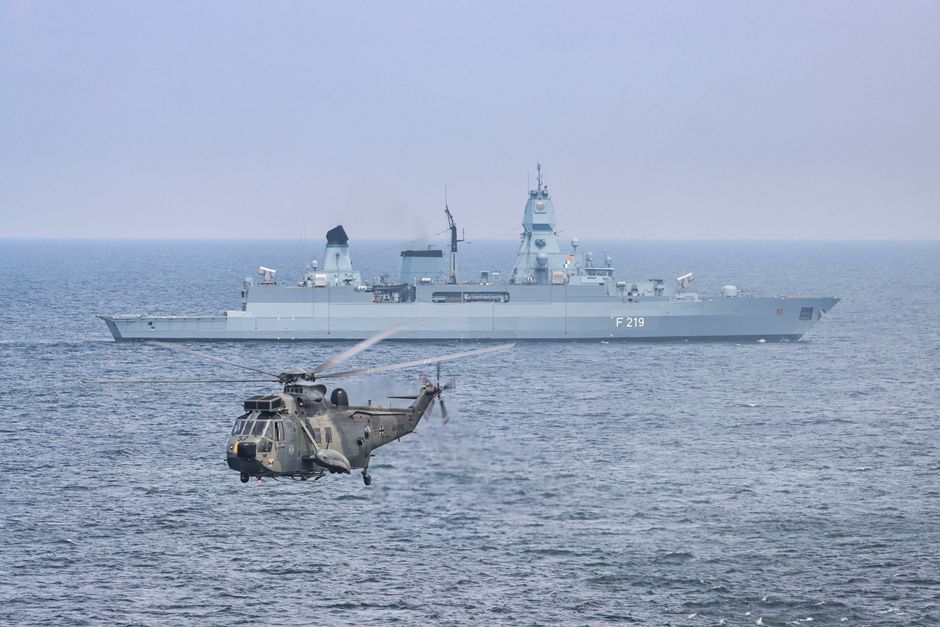
The North Atlantic Treaty Organization is set to launch Neptune Strike 26-4, a major maritime exercise spanning from the North Atlantic to the Mediterranean Sea. The drills are scheduled to occur between October 16 and October 21, 2026. This maneuver marks the fourth iteration of an effort designed to improve the integration of national naval forces with the alliance's command structure. Participating forces will focus on enhanced vigilance and coordination across multiple maritime domains.
The exercise will specifically feature the involvement of carrier strike groups, which serve as mobile hubs for air and surface operations. By operating in these varied maritime environments, NATO aims to test the readiness and responsiveness of its naval assets. Neptune Strike represents a broader commitment to collective defense and the maintenance of open sea lanes. The integration of different national navies into a unified operation is intended to demonstrate a cohesive front for allied maritime security.
These exercises are often used to refine communication procedures and tactical synchronization between member states. Recent training cycles throughout 2026 have emphasized the importance of the Nordic-Baltic axis and the High North, but the upcoming maritime drills shift focus back to key Mediterranean and Atlantic transit zones. This geographical spread highlights the alliance's intent to maintain a visible presence in strategic waters. Military planners use these events to evaluate the interoperability of systems ranging from electronic warfare to logistics.
While military drills are standard practice for the alliance, they often serve as signals of operational readiness in the current security environment. The complexity of the maneuvers reflects a strategy that requires naval units to function seamlessly under a shared command framework. Exercises like Neptune Strike provide a controlled environment to stress-test these relationships against evolving regional threats. Preparation for such exercises involves extensive planning, beginning months in advance with conferences to determine scenarios and objectives.
Naval commanders coordinate closely to ensure that the diverse fleets of member nations can execute complex maneuvers as a singular force. This degree of cooperation is considered vital for maintaining the alliance's deterrent capabilities. Beyond technical performance, the exercise also serves as a platform for strengthening professional ties between officers and crews from different countries. Regular interaction at sea is designed to build trust and shared understanding among allied service members.
This interpersonal dimension is seen as an essential component of long-term operational success. Logistical support remains a primary factor in the success of these large-scale deployments. Coordinating fuel, munitions, and maintenance for multiple carrier strike groups requires a high level of administrative and technical precision. The ability to sustain these operations at sea is a key metric for NATO's overall resilience.
Neptune Strike 26-4 follows a busy year of military activity for the alliance. As the 2026 calendar draws to a close, such exercises continue to be a focal point for demonstrating the commitment of all member nations to their mutual defense obligations. The data gathered during these five days will be analyzed to inform future strategic planning and equipment procurement. Looking ahead, the alliance continues to refine its approaches to maritime security and multi-domain operations.
The lessons learned during this exercise will likely be incorporated into the broader strategic framework of the alliance. This continuous cycle of training and evaluation remains the primary method for maintaining the current level of regional maritime security.
Ask the Author
Subscribers can ask the journalist a question about this story. Subscribe to ask.
Neutralitätsvermerk
Auto-harvested from global news wires and presented neutrally by PENN.
to vote
Comments
No comments yet — be the first to share your thoughts.
Related stories in Defense & Military
Japan and Philippines Finalize Defense Cooperation Frameworks
2026-10-05
U.S. Imposes Sanctions on Global Network Supporting Iranian Military Procurement
2026-10-04