Netherlands Implements New Legally Binding Curriculum Targets for Dutch and Mathematics
New national standards aim to address concerns regarding declining basic skills among students as the academic year begins.
PENN Explainer
Hear this story explained in 90 seconds.
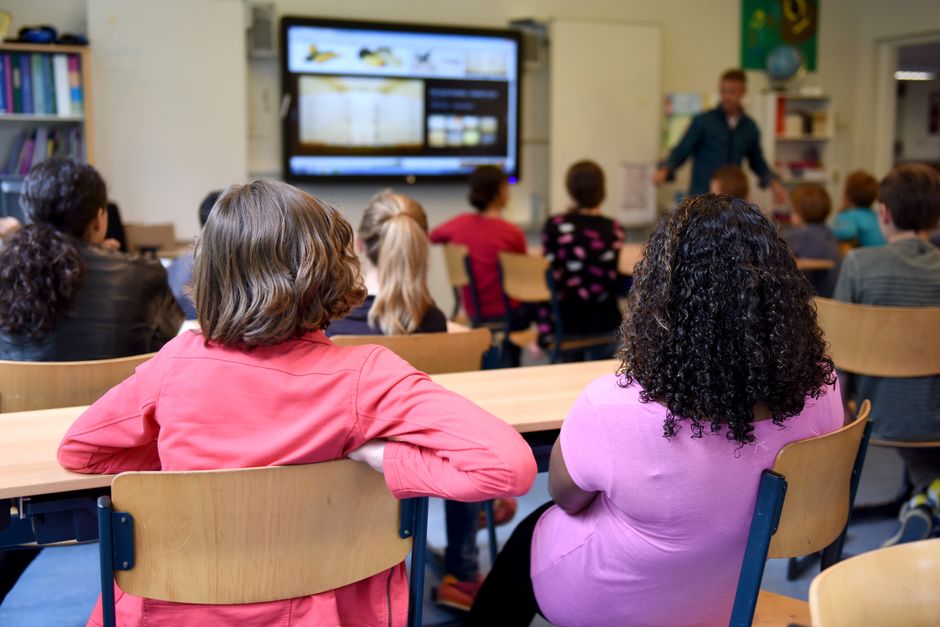
As schools across the Netherlands welcome students back for the new academic year, the country has officially implemented new, legally binding curriculum targets for Dutch language and mathematics. These updated standards were introduced in response to growing concerns from educators, parents, and policymakers regarding a decline in basic academic skills among the student population. By making these targets mandatory, the government aims to ensure a consistent level of educational quality across all schools in the nation. The move represents a significant shift in how the Dutch education system monitors and enforces student performance in core subjects. Officials hope that these clear benchmarks will provide teachers with the necessary framework to improve learning outcomes effectively. The new requirements are designed to be measurable, allowing schools to track progress more accurately throughout the school year. This initiative is part of a broader effort to strengthen the foundational knowledge of students before they advance to higher levels of education. While the policy has been met with support from those prioritizing academic rigor, it has also sparked discussions about the balance between standardized testing and creative teaching methods. Educators are now working to integrate these new requirements into their daily lesson plans while maintaining the flexibility needed to support diverse learning styles. The government has emphasized that these targets are not intended to limit the autonomy of teachers but rather to provide a baseline for student success. As the academic term progresses, the Ministry of Education will likely monitor the implementation of these standards to assess their impact on student achievement. This development highlights the ongoing global trend of countries re-evaluating their core curricula to better prepare students for the demands of the modern world. The success of this policy will be measured by the ability of schools to meet these targets while fostering a positive and engaging learning environment for all children.
Ask the Author
Subscribers can ask the journalist a question about this story. Subscribe to ask.
Note de neutralité
Auto-harvested from global news wires and presented neutrally by PENN.
to vote
Comments
No comments yet — be the first to share your thoughts.