
New Global Study Links Plant-Based Protein Intake to Increased Longevity
Researchers find that higher consumption of plant-derived proteins is associated with longer life expectancy and reduced risk of chronic disease.
PENN Explainer
Hear this story explained in 90 seconds.
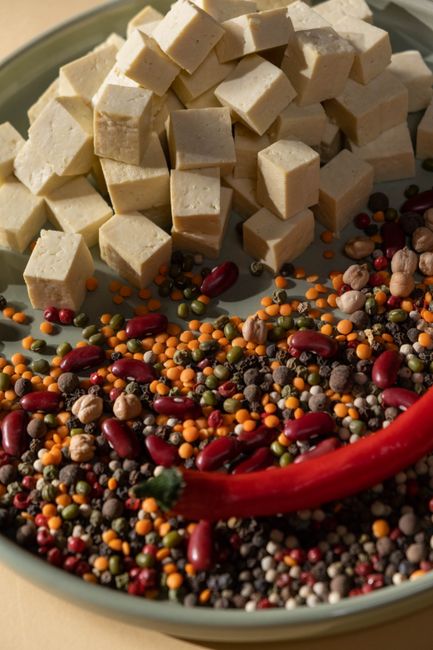
A new global study conducted by researchers at the University of Sydney has identified a significant link between the consumption of plant-based proteins and increased life expectancy in adults. The research, which examined population-level data, suggests that countries with higher intakes of plant proteins like chickpeas, tofu, and peas tend to see longer lifespans among their citizens. This finding adds to a growing body of evidence regarding how specific dietary choices influence long-term health outcomes.
First author Caitlin Andrews noted that the study presents a complex picture when comparing the health impacts of meat-based versus plant-based protein sources. While the research highlights the benefits of plant proteins, it also underscores the importance of considering how these dietary patterns affect both individual longevity and broader environmental health. The study aims to provide a clearer understanding of how protein sources contribute to the vitality observed in various global populations.
Plant-based proteins, including legumes, nuts, and whole grains, are frequently associated with a lower risk of chronic diseases and overall mortality. These food groups are staples in regions known for their high concentrations of long-lived individuals, such as Okinawa in Japan, Ikaria in Greece, and Loma Linda in California. Researchers often refer to these areas as blue zones, where residents frequently reach advanced ages with fewer health complications.
In contrast, the study found that high intake of animal-based proteins, including both processed and unprocessed red meats, was linked to an increased risk of chronic disease. This distinction is crucial for individuals looking to adjust their diets to support healthy aging. The findings suggest that shifting protein sources may be a practical strategy for those aiming to reduce their risk of mortality caused by chronic conditions.
This research aligns with other recent investigations into midlife nutrition and its role in healthy aging. For instance, a study using data from the Nurses’ Health Study cohort in the United States found that higher plant protein intake in middle age is related to higher odds of aging without major chronic diseases. These studies collectively emphasize that the quality of protein consumed is as important as the total amount.
Beyond physical health, the consumption of plant protein has been associated with better mental health status and a lower risk of physical disabilities. While animal protein intake has been linked to a higher risk of chronic illness in some models, plant proteins appear to offer protective benefits. These associations remain a primary focus for scientists studying the mechanisms behind successful aging.
Researchers are now looking to determine the specific amounts of protein intake required to promote optimal health across different stages of life. Future studies will likely explore how these dietary patterns interact with individual genetics, sex, and metabolic health. Understanding these variables could lead to more personalized nutritional recommendations for aging populations.
Some experts are also investigating how the body adapts to different levels of protein availability. The Neurosignaling Laboratory at the Pennington Biomedical Research Center is currently examining how organisms adjust their metabolism and food preferences when protein intake is restricted. This work seeks to uncover whether such physiological responses can be targeted to improve health outcomes.
As the global population continues to age, the search for effective interventions to extend healthspan remains a priority for public health officials. The current findings suggest that dietary adjustments, particularly those emphasizing plant-based sources, could play a significant role in this effort. Scientists continue to refine these recommendations to ensure they are both effective and sustainable for diverse populations.
Ultimately, the goal of this research is to provide actionable information that can help individuals make informed decisions about their nutrition. By focusing on the long-term impacts of protein sources, researchers hope to support healthier aging processes worldwide. Further clinical trials will be necessary to confirm these findings and establish clear guidelines for dietary protein intake.
Ask the Author
Subscribers can ask the journalist a question about this story. Subscribe to ask.
Nota neutralitatis
Auto-harvested from global news wires and presented neutrally by PENN.
to vote
Comments
No comments yet — be the first to share your thoughts.
Related stories in Health and Fitness

New Study Links Ultra-Processed Foods to Higher Levels of Harmful Blood Fats
2026-10-10
New Harvard Study Reveals Protective Role of Specific Bacteria in Vaginal Microbiome
2026-10-10