
New Research Highlights Benefits of Resistance Training for Bone Density in Older Adults
A recent study indicates that targeted strength training can significantly improve skeletal health and reduce fracture risk in aging populations.
PENN Explainer
Hear this story explained in 90 seconds.
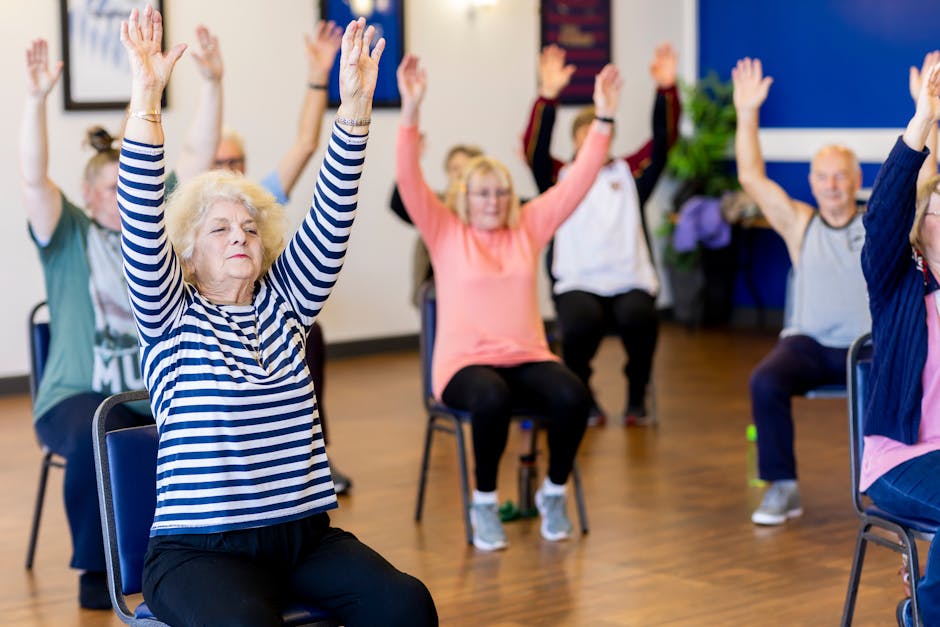
A recent study published in the Journal of Exercise Science & Fitness has provided new insights into how specific resistance training routines can combat age-related bone density loss. As individuals age, the natural decline in bone mineral density often leads to an increased risk of fractures and conditions like osteoporosis. Researchers focused on a group of participants over the age of 65 to determine if structured, progressive strength training could effectively reverse or slow this decline. The findings suggest that consistent, moderate-intensity resistance exercises are highly effective at stimulating bone remodeling processes. By placing controlled stress on the skeletal system, these exercises encourage the body to deposit more minerals into the bone matrix. This process helps to maintain structural integrity even as the body undergoes the natural aging process. The study monitored participants over a twelve-month period, tracking changes in bone density through regular medical imaging. Those who engaged in a routine involving weight-bearing exercises three times per week showed a measurable increase in bone density compared to the control group. The researchers emphasized that the exercises did not need to be overly strenuous to provide these protective benefits. Instead, the focus was on consistency and the gradual increase of resistance over time. This approach allows older adults to safely build strength while minimizing the risk of injury during workouts. Public health experts suggest that these findings could lead to new, non-pharmacological strategies for managing bone health in aging populations. By integrating strength training into daily routines, older adults may be able to significantly improve their quality of life and independence. The study also noted that participants reported improved balance and muscle strength, which are critical factors in preventing falls. These secondary benefits further contribute to the overall goal of reducing fracture-related hospitalizations among the elderly. Future research will aim to determine the long-term sustainability of these gains and whether specific types of resistance equipment offer superior results. For now, the evidence strongly supports the inclusion of strength training as a cornerstone of healthy aging programs worldwide.
You've reached your free article limit
You've read 10 of 10 free articles this month. Subscribe to Planet Earth News Network for unlimited access to neutral, global journalism — plus puzzles, podcasts, and the weekly newsletter.
Already a subscriber? Sign in.
Ask the Author
Subscribers can ask the journalist a question about this story. Subscribe to ask.
Nota de neutralidad
Auto-harvested from global news wires and presented neutrally by PENN.
to vote
Comments
No comments yet — be the first to share your thoughts.
Related stories in Health and Fitness

New Research Reveals Gut Microbiota Can Predict Type 2 Diabetes Risk Years in Advance
2026-09-27
New Research Reveals Protective Role of Specific Bacteria in Vaginal Microbiome
2026-09-27