New Research Highlights Seaweed Integration as Key to Sustainable Aquaculture
Scientists find that combining seaweed with finfish farming can significantly reduce waste and improve efficiency in marine operations.
PENN Explainer
Hear this story explained in 90 seconds.
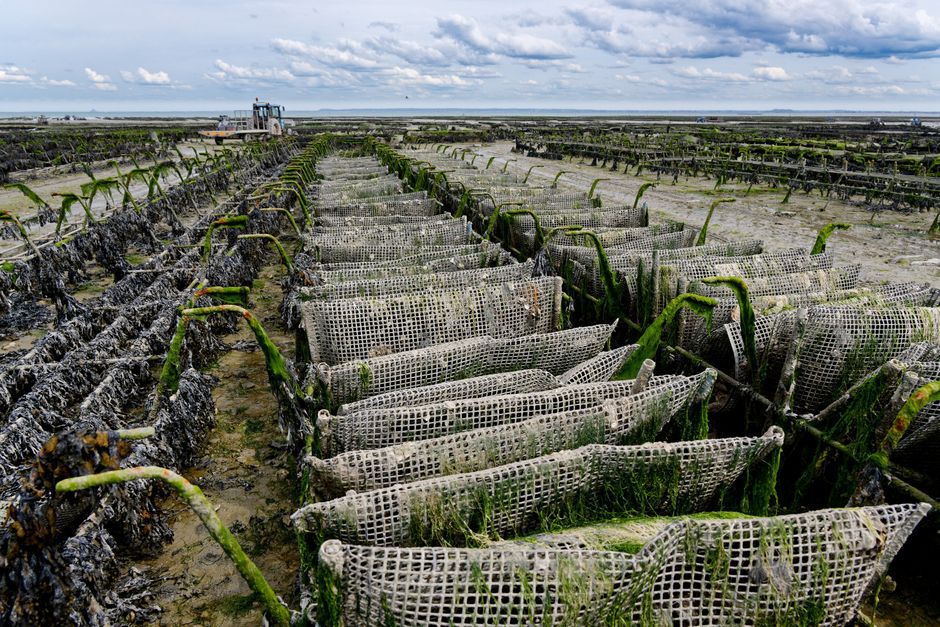
A recent study conducted by researchers at the University of Miami Rosenstiel School of Marine, Atmospheric, and Earth Science has identified a promising method to improve the sustainability of marine aquaculture. The research focuses on Integrated Multi-Trophic Aquaculture, or IMTA, which involves cultivating different species together to mimic natural ecosystems. By growing seaweed alongside marine finfish, producers can create a system where the plants absorb nutrient-rich waste produced by the fish. This process effectively turns potential pollutants into a valuable resource for crop growth. The findings suggest that this integration can significantly reduce, and in some cases eliminate, key waste products from commercial fish farming. This development offers a practical path for aquaculture producers to enhance their environmental performance while maintaining production levels. As the global demand for seafood continues to rise, finding ways to minimize the ecological footprint of farming operations has become a priority for the industry. The study provides specific guidance for both existing and prospective farmers looking to adopt these multi-trophic systems. By utilizing the entire water column, seaweed farming allows producers to diversify their operations and create more resilient food systems. This approach is particularly relevant as the Food and Agriculture Organization of the United Nations continues to promote the expansion of aquaculture to address global food security and nutrition. However, experts emphasize that such growth must be accompanied by robust safeguards to ensure long-term environmental health. The integration of macroalgae species is seen as a significant step toward achieving these goals. As the sector evolves, the adoption of such innovative practices could play a vital role in balancing economic development with the conservation of natural resources.
Ask the Author
Subscribers can ask the journalist a question about this story. Subscribe to ask.
Nota de neutralidade
Auto-harvested from global news wires and presented neutrally by PENN.
to vote
Comments
No comments yet — be the first to share your thoughts.
Related stories in Agriculture & Food Security
Kenya Expands Urban Hydroponic Initiatives to Strengthen Food Security
2026-10-02
Côte d’Ivoire Launches Strategic Investment Program to Empower Women Farmers
2026-10-02