
New Research Identifies 'Exercise Snacking' as Effective Strategy Against Frailty
Short, frequent bursts of physical activity may help older adults maintain independence and physical function
PENN Explainer
Hear this story explained in 90 seconds.
A new scoping review published in the journal BMC Geriatrics has identified 'exercise snacking' as a promising method for preventing and managing frailty in older populations. The study, led by researchers Yuan Gao and Songmei Cao, explores how breaking up physical activity into very short, manageable sessions can provide significant health benefits. This approach focuses on accessibility, making it easier for individuals who may struggle with longer, more traditional workout routines to stay active. Frailty is a common concern for aging adults, often leading to a decline in mobility and an increased risk of falls.
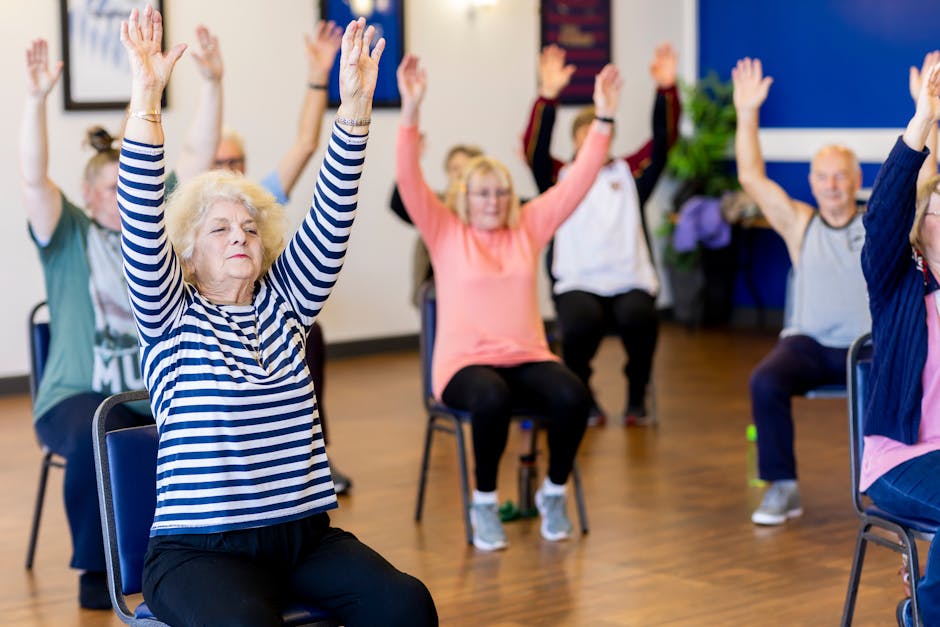
By integrating brief periods of movement throughout the day, older adults may be able to preserve their physical function more effectively. The researchers suggest that these 'snacks' of exercise can be easily incorporated into daily life without requiring specialized equipment or gym memberships. This strategy is particularly relevant for those who find the prospect of a full-length exercise class daunting or physically taxing. The review highlights that consistency in movement is often more important than the duration of a single session.
By focusing on frequent, low-intensity activity, individuals can maintain muscle tone and cardiovascular health over time. The authors emphasize that this method could serve as a practical intervention for healthcare providers looking to support their patients' long-term independence. Future research will likely focus on the specific types of movements that yield the greatest benefits for different levels of physical ability. As the global population continues to age, finding sustainable ways to promote healthy living remains a top priority for medical professionals.
This study offers a flexible alternative to conventional fitness programs, potentially improving the quality of life for many seniors. The findings suggest that even small, consistent efforts can lead to meaningful improvements in physical health and overall well-being.
Ask the Author
Subscribers can ask the journalist a question about this story. Subscribe to ask.
Nota neutralitatis
Auto-harvested from global news wires and presented neutrally by PENN.
to vote
Comments
No comments yet — be the first to share your thoughts.
Related stories in Health and Fitness

New Study Finds Healthy Diets Extend Life Regardless of Genetic Predisposition
2026-10-06
New Clinical Trial Finds Ketogenic Diet Significantly Reduces Liver Fat
2026-10-06