
New Research Identifies Gut Microbiome Profiles as Potential Diagnostic Tool for Depression
Scientists find distinct microbial signatures that help distinguish between major depressive disorder and cases involving sleep behavior complications.

PENN Explainer
Hear this story explained in 90 seconds.
Researchers at the Chinese University of Hong Kong have identified specific gut microbiome profiles that may help clinicians distinguish between different types of major depressive disorder. The study, published in the journal Molecular Psychiatry, focused on how the composition of gut bacteria differs in patients with depression compared to those who also suffer from rapid eye movement sleep behavior disorder. This discovery offers a potential new pathway for understanding the biological roots of complex mental health conditions. The research team analyzed data from 420 participants to evaluate whether these microbial differences could serve as a reliable diagnostic marker.
By using metagenomic assessment, the scientists were able to compare the gut ecosystems of patients recruited between 2023 and 2025. The study utilized standardized psychiatric interviews, including the Structured Clinical Interview for DSM-5, to ensure accurate diagnosis of the participants. These findings build upon a growing body of evidence regarding the gut-brain axis, which suggests that the community of microorganisms in the digestive tract plays a significant role in neurophysiological processes. Previous studies have indicated that patients with major depressive disorder often experience concurrent physical issues, such as appetite disturbances or constipation, which may be linked to these microbial shifts.
The researchers aimed to determine if the presence of comorbid sleep behavior disorder contributes to a higher risk of neurodegenerative conditions. By identifying unique microbial signatures, the team hopes to provide a more nuanced approach to treating patients who do not respond to traditional antidepressant therapies. This research highlights the importance of looking beyond the brain when studying mental health disorders. Future clinical applications could involve using microbiome analysis as an adjuvant tool to help doctors tailor treatment plans for individual patients. As the field of microbiome research continues to evolve, scientists remain focused on how these biological markers might eventually lead to more personalized interventions for mental health.
Ask the Author
Subscribers can ask the journalist a question about this story. Subscribe to ask.
নিরপেক্ষতা নোট
Auto-harvested from global news wires and presented neutrally by PENN.
to vote
Comments
No comments yet — be the first to share your thoughts.
Related stories in Health and Fitness

New Blood Test Shows High Accuracy in Detecting Colorectal Cancer
2026-10-08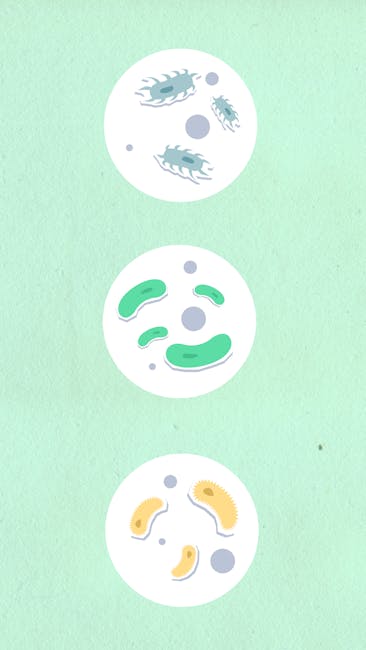
New Study Explores Potential of Urolithin A for Immune and Mitochondrial Health
2026-10-08