
New Research Reveals Boreal Wildfires Are Releasing Massive Hidden Carbon Emissions
Scientists warn that climate-driven forest fires in northern regions are emitting significantly more carbon than current global climate models account for.
PENN Explainer
Hear this story explained in 90 seconds.
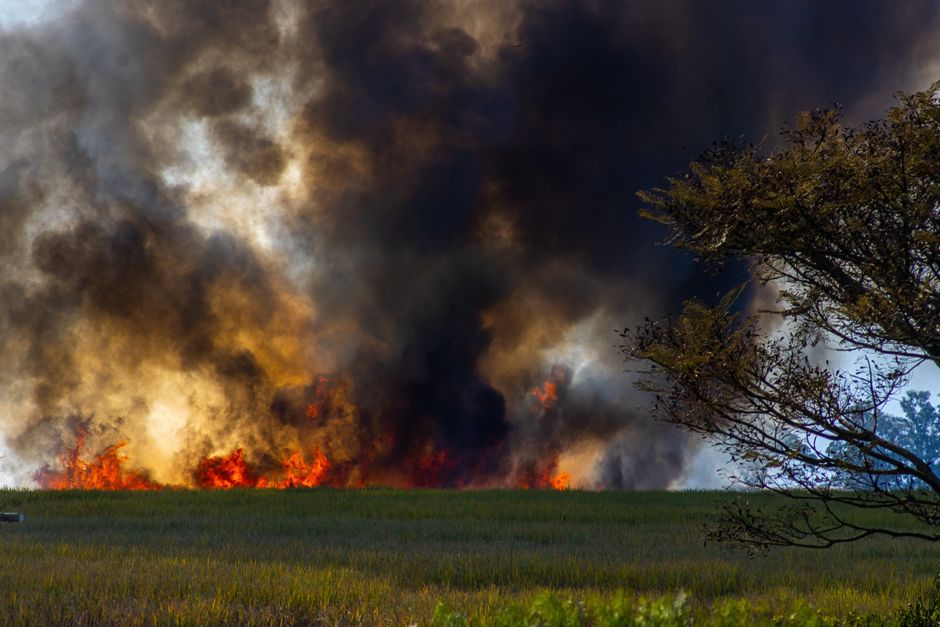
A new study published this week highlights a growing concern regarding the impact of boreal wildfires on the global climate. Researchers have discovered that these massive forest fires are releasing significantly higher levels of carbon emissions than previously estimated by standard climate models. This finding suggests that the role of northern forests in the global carbon cycle may be more complex than scientists once believed. As these regions experience warmer and drier conditions, the frequency and intensity of wildfires have increased dramatically. The study emphasizes that these emissions could accelerate the pace of global warming if they are not properly integrated into future climate projections. Experts are now calling for a re-evaluation of how carbon budgets are calculated to account for these intense fire events. The boreal forest, which spans across Canada, Russia, and parts of Scandinavia, acts as a massive natural carbon sink. When these forests burn, they release stored carbon back into the atmosphere, potentially turning a vital climate stabilizer into a significant source of greenhouse gases. The research team utilized advanced satellite imagery and ground-level sensors to track the smoke plumes and soil combustion rates during recent fire seasons. Their data indicates that the deep peat layers in these forests are burning more thoroughly than in the past. This deep-burning process releases carbon that has been trapped in the soil for centuries. The implications of this research are significant for international climate policy and environmental management. Policymakers rely on accurate carbon accounting to set emissions reduction targets and track progress toward global climate goals. If current models are underestimating the impact of boreal fires, it may be harder to reach the targets set by international agreements. Scientists are urging for more robust monitoring systems to be deployed across these remote northern landscapes. Improved data collection will help researchers better understand the feedback loops between climate change and wildfire activity. By refining these models, the global community can develop more effective strategies for forest management and fire prevention. The study serves as a reminder of the interconnected nature of global ecosystems and the climate. Protecting these vast northern forests is essential for maintaining the balance of the Earth's atmosphere. As the world continues to navigate the challenges of a changing climate, the need for precise and comprehensive scientific data remains a top priority.
Ask the Author
Subscribers can ask the journalist a question about this story. Subscribe to ask.
中立性の注記
Auto-harvested from global news wires and presented neutrally by PENN.
to vote
Comments
No comments yet — be the first to share your thoughts.


