New Research Suggests Prescribed Fire Is Key to Saving Giant Sequoias
A recent analysis of thousands of trees indicates that controlled burns help the iconic species survive increasingly extreme wildfires.
PENN Explainer
Hear this story explained in 90 seconds.
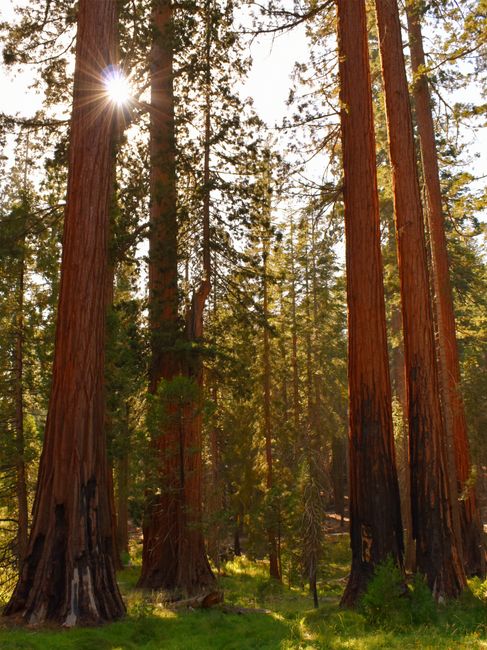
A new scientific analysis suggests that the most effective way to protect giant sequoias from destruction is the increased use of prescribed fire. Researchers examined approximately 26,400 individual trees to understand how different forest management strategies impact their survival. The findings indicate that trees located in areas treated with controlled burns are significantly better equipped to withstand modern wildfire threats. This approach mimics natural ecological processes that have historically maintained the health of these ancient forests.
Giant sequoias are biologically adapted to survive ordinary, low-intensity fires that clear out underbrush and competition. However, recent years have seen a rise in extreme wildfires that burn with unprecedented heat and intensity. These massive blazes have killed thousands of trees that had successfully survived for centuries or even millennia. The study highlights a growing disconnect between historical fire patterns and the current reality of climate-driven fire behavior.
By intentionally setting smaller, managed fires, land managers can reduce the accumulation of dry fuel on the forest floor. This reduction prevents the buildup of material that would otherwise feed a catastrophic, high-severity fire. Experts argue that this proactive management is essential for the long-term preservation of the species. The research provides a clear path forward for conservationists working to protect these iconic giants in a changing climate.
Future efforts will likely focus on scaling up these treatment programs across larger sections of protected forest land. Balancing the need for fire safety with the delicate ecological requirements of the sequoia groves remains a primary goal for environmental agencies.
Ask the Author
Subscribers can ask the journalist a question about this story. Subscribe to ask.
中立性の注記
Auto-harvested from global news wires and presented neutrally by PENN.
to vote
Comments
No comments yet — be the first to share your thoughts.