
New South Wales Implements Mandatory Feral Pig Control to Protect Biodiversity
Landmark biosecurity regulations in Australia mandate coordinated efforts to manage invasive pig populations and prevent environmental damage.
PENN Explainer
Hear this story explained in 90 seconds.
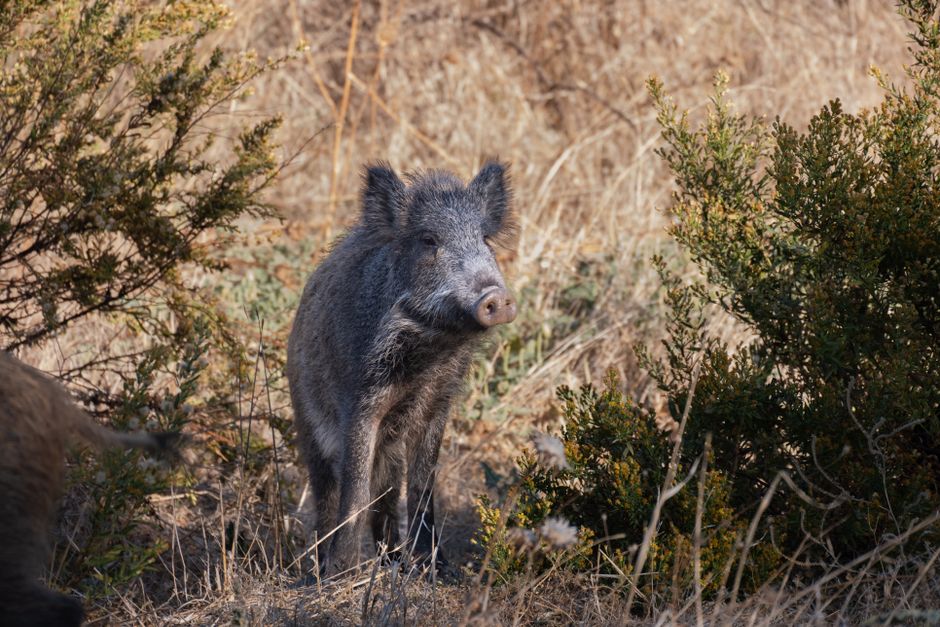
The government of New South Wales, Australia, has introduced a significant new regulation aimed at curbing the spread of feral pigs. Under a new General Biosecurity Direction, public and private landholders in the Walgett region are now legally required to participate in a coordinated feral pig eradication program. This move marks a shift toward mandatory, landscape-scale management of invasive species that threaten local ecosystems. Failure to comply with these new requirements can result in substantial fines, reaching up to $220,000 for individuals and $440,000 for corporations. The Invasive Species Council has welcomed this decision, describing it as a landmark step for regional biosecurity. By requiring participation, the government aims to ensure that pest control efforts are consistent across property boundaries, rather than fragmented. Principal Program Manager Biosecurity Jake Tanner emphasized that mapping the impacts of these animals is essential for building a clear picture of the scale of the problem. Data collected from landholders helps authorities deliver more strategic, broadscale control programs. Feral pigs are considered a major environmental pest across Australia, covering approximately 45 percent of the country's landmass. Estimates suggest their population ranges between two and four million, depending on seasonal conditions. These animals cause extensive damage to wetlands by rooting up vegetation, fouling waterways, and consuming native plants and wildlife. Beyond environmental destruction, they pose a severe biosecurity risk as potential vectors for diseases such as leptospirosis, brucellosis, and the highly contagious foot-and-mouth disease. The economic impact is also significant, with the agricultural sector facing over $100 million in damages annually. While some groups advocate for recreational hunting as a tool for population control, experts often note that it is most effective when used as a supplement to professional, coordinated eradication methods. The Invasive Species Council has pointed to successful models in South Australia, where government-backed, landscape-scale control has proven effective. In Queensland, the government has also recently released a draft Feral Pig Management Action Plan for 2026–2031, supported by a $1 million investment. This plan seeks to improve coordination among primary producers, local governments, and landholders to tackle the invasive species. As these programs evolve, the focus remains on protecting threatened species and maintaining the health of Australia's diverse landscapes.
Ask the Author
Subscribers can ask the journalist a question about this story. Subscribe to ask.
中立性の注記
Auto-harvested from global news wires and presented neutrally by PENN.
to vote
Comments
No comments yet — be the first to share your thoughts.
Related stories in Hunting and Conservation
Kentucky Secures Permanent Public Access for Conservation and Wildlife Management
2026-09-28
Florida Fish and Wildlife Conservation Commission Opens Applications for 2026 Regulated Bear Harvest
2026-09-28