New Study Finds Cougars Significantly Reduce Vehicle-Deer Collisions in the United States
Research indicates that the presence of apex predators can lower deadly road accidents by up to 76 percent.
PENN Explainer
Hear this story explained in 90 seconds.
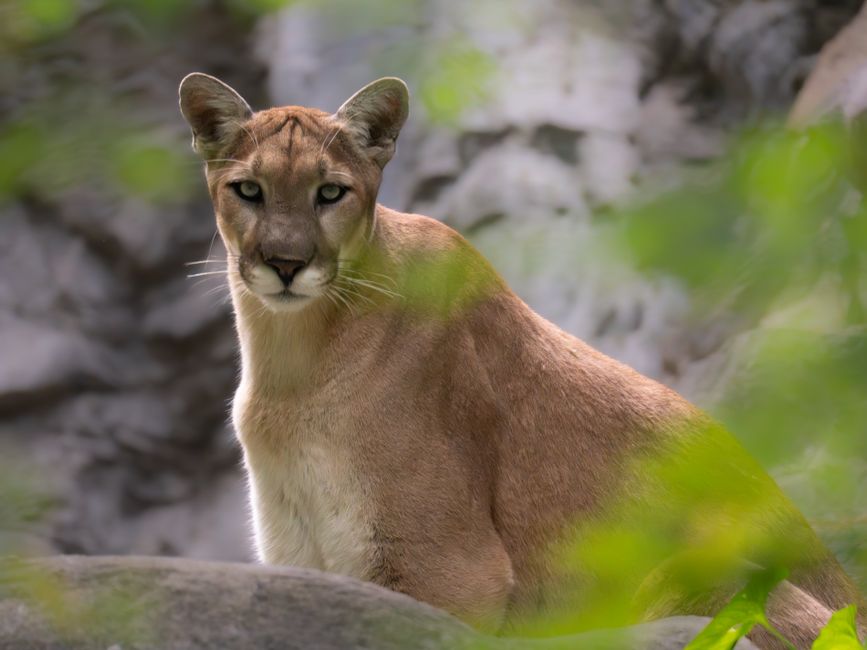
A recent scientific study has highlighted the unexpected benefits of having apex predators in the wild. Researchers found that the presence of cougars in certain regions of the United States has led to a dramatic decrease in vehicle-deer collisions. This interaction between wildlife and human infrastructure offers a new perspective on how natural ecosystems can improve public safety. The findings suggest that large predators play a vital role in managing prey populations, which in turn affects human activity. By keeping deer populations in check and influencing their movement patterns, cougars are helping to make roads safer for drivers. The study indicates that these collisions can be reduced by as much as 76 percent in areas where cougar populations are stable. This significant drop in accidents represents a major intersection between wildlife conservation and transportation safety. Experts believe that this natural form of population control is more effective than many human-led management strategies. The research emphasizes that the ecological services provided by predators extend far beyond the forest boundaries. As urban areas continue to expand, understanding these natural dynamics becomes increasingly important for city planners and conservationists alike. The study provides a compelling argument for the protection of large carnivores in North American landscapes. By maintaining healthy predator populations, communities may be able to lower the high costs and risks associated with wildlife-vehicle accidents. This research adds to a growing body of evidence that healthy ecosystems provide tangible benefits to human society. Future efforts may focus on how to better integrate these findings into regional wildlife management policies. Protecting these animals is not just about biodiversity, but also about creating safer environments for people living near wild habitats.
Ask the Author
Subscribers can ask the journalist a question about this story. Subscribe to ask.
Neutrality note
Auto-harvested from global news wires and presented neutrally by PENN.
to vote
Comments
No comments yet — be the first to share your thoughts.