Next-Generation Geothermal Energy Projects Expand Across the United States
New technology and major investments are driving a surge in geothermal power development to provide reliable, carbon-free electricity.
PENN Explainer
Hear this story explained in 90 seconds.
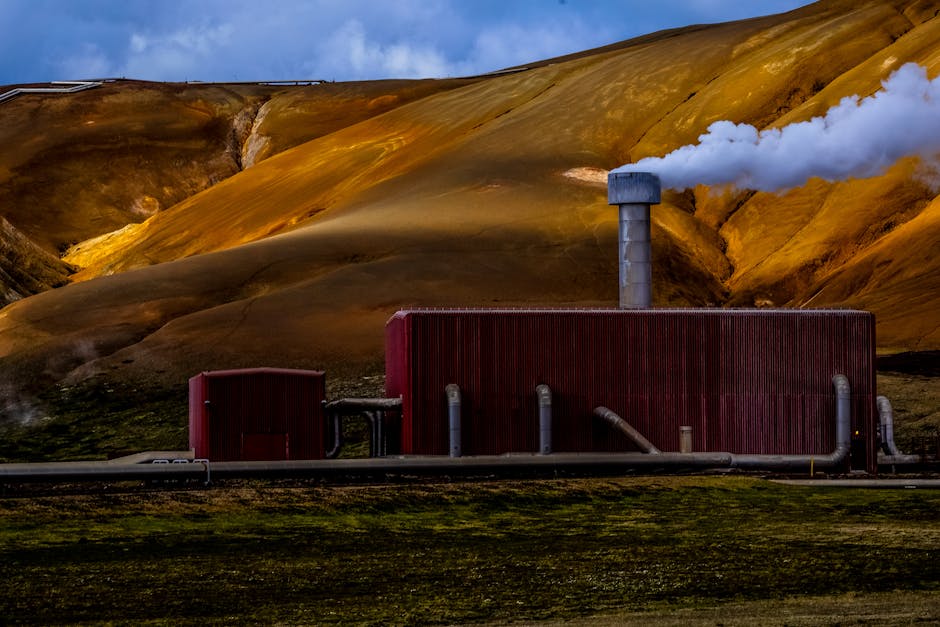
The United States is seeing a significant expansion in geothermal energy development as companies deploy advanced drilling techniques to tap into Earth's heat. These next-generation projects aim to provide consistent, baseload power that can support the electrical grid around the clock. Recent approvals and partnerships are accelerating the construction of large-scale facilities across the Western U.S. to meet rising energy demands.
One major development involves the Fervo Cape Geothermal Power Project in Beaver County, Utah. The Bureau of Land Management recently approved this project, which is designed to generate up to 2 gigawatts of power. If fully developed, this facility could provide enough electricity to supply over 2 million homes with clean energy.
Fervo Energy, the company behind the Utah project, is also scaling up its operations through new supply agreements. The Houston-based firm signed a three-year contract with Turboden America to secure 1.75 gigawatts of turbine capacity. This deal is intended to streamline project execution and speed up the deployment of new geothermal plants.
Technological innovation is a key driver of this industry growth. Unlike traditional geothermal plants that require specific geological conditions, new systems use horizontal drilling and fiber-optic sensing to create artificial reservoirs in hard, impermeable rock. This allows developers to harness heat from a much wider range of locations than previously possible.
Financial support for these initiatives is also increasing as investors look for reliable renewable energy sources. XGS Energy recently secured $13 million in new financing from groups including Aligned Climate Capital and ClearSky. This funding will help the company advance its own multi-gigawatt pipeline of water-independent geothermal projects.
Government agencies are actively working to facilitate this transition on public lands. The Bureau of Land Management has now approved nearly 32 gigawatts of clean energy projects, including 14 geothermal sites under the current administration. Officials are also proposing new rules to simplify the process for confirming geothermal resources on public land.
Research from the Department of Energy highlights the broader impact of these advancements. A 2025 market report noted an 8% increase in installed geothermal capacity over the last four years. This growth includes 26 new power purchase agreements for data centers, local utilities, and community projects.
Experts suggest that the cost of these systems is becoming more competitive with traditional energy sources. The levelized cost of energy for enhanced geothermal systems is currently declining. Projections indicate that these costs will approach those of conventional hydrothermal flash plants within the next decade.
Beyond power generation, the industry is exploring new ways to integrate geothermal energy into the grid. The Department of Energy’s Office of Geothermal recently selected eight projects to analyze the economic value of geothermal benefits to the national grid. These studies aim to quantify how flexible geothermal power can support grid stability.
Workforce development is another priority as the sector expands. The Department of Energy has launched initiatives to support a 15-state effort to grow the geothermal workforce. This includes prize competitions designed to attract new talent to the field and provide training for the next generation of energy professionals.
Advocates note that the transition to next-generation geothermal can also provide socioeconomic benefits. By utilizing technology similar to that used in the oil and gas industry, companies can retrain existing energy workers for roles in the renewable sector. This approach helps maintain employment opportunities while shifting toward carbon-free energy production.
As the industry matures, developers are also learning to navigate environmental and safety requirements. Projects must undergo rigorous reviews to ensure they do not negatively impact local ecosystems or public safety. These regulatory processes are seen as a necessary step to ensure that renewable energy development remains sustainable and responsible.
Ask the Author
Subscribers can ask the journalist a question about this story. Subscribe to ask.
Neutrality note
Auto-harvested from global news wires and presented neutrally by PENN.
to vote
Comments
No comments yet — be the first to share your thoughts.