Nvidia Corporation has announced a massive new partnership with six major financial institutions to fund the future of artificial intelligence. The company, led by Chief Executive Officer Jensen Huang, plans to mobilize more than $500 billion in capital. This money will be used to build the physical infrastructure needed for advanced AI systems. The deal marks one of the largest financial commitments in the history of the technology industry.
The new financing platforms are designed to help companies buy the expensive hardware required for AI. Building data centers and purchasing high-end computer chips costs billions of dollars for even the largest firms. By working with Wall Street, Nvidia aims to make this capital more accessible to a wider range of businesses. This move could speed up the adoption of AI across many different sectors of the global economy.
Chief Executive Officer Jensen Huang has frequently spoken about the arrival of the "Age of AI." He believes that every industry will eventually be transformed by these new computing capabilities. To reach that goal, the world needs a vast amount of new computing power. This $500 billion initiative is a direct response to that growing demand for specialized hardware.
The partnership involves some of the most influential banks and investment firms in the world. While the specific names of all six institutions were not immediately detailed in every report, the scale of the deal shows strong confidence from the financial sector. These institutions will provide the loans and investment structures needed to support massive tech projects. This collaboration bridges the gap between traditional finance and cutting-edge technology.
A major part of this investment will go toward Nvidia’s own graphics processing units, or GPUs. These chips are the primary engines used to train and run large language models and other AI tools. Because these chips are in high demand, they have become very expensive and difficult to acquire. The new funding will help ensure that the supply chain for these critical components remains stable.
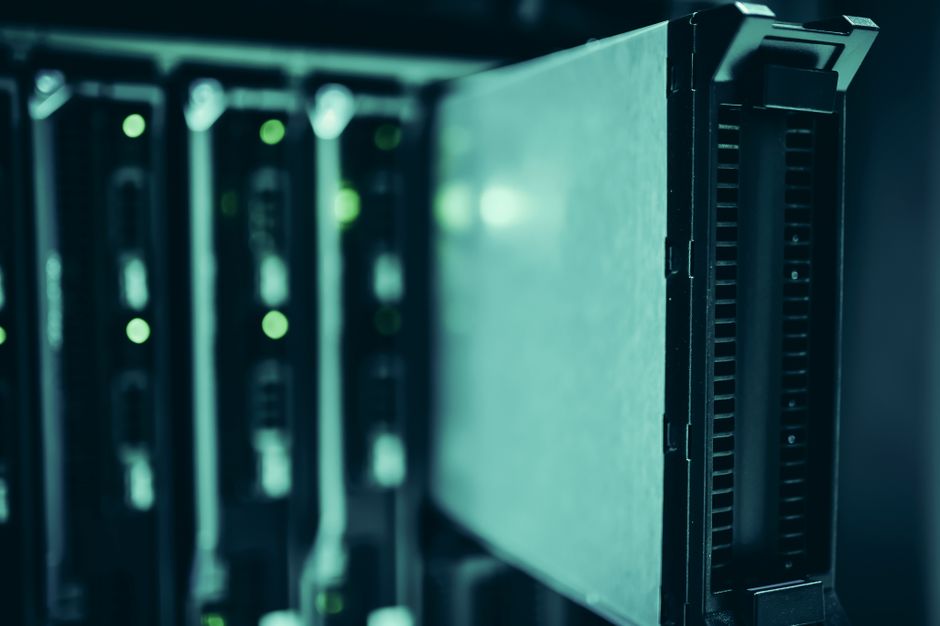
The project also focuses on the construction of massive data centers. These facilities require specialized cooling systems, high-speed networking, and enormous amounts of electricity. As AI models grow larger, the physical space and power they need continue to increase. This $500 billion fund will help pay for the land, construction, and energy infrastructure required for these sites.
This announcement comes as other tech giants are also spending record amounts on AI. Companies like Alphabet, the parent company of Google, and Microsoft have reported spending billions each quarter on their own AI projects. The competition to lead the AI market has created a race for resources and talent. Nvidia’s new deal positions the company at the center of this global spending surge.
Industry experts say this level of investment is unprecedented for a single technology category. It reflects a belief that AI is not just a passing trend but a fundamental shift in how computers work. The sheer size of the $500 billion figure highlights the high stakes involved in this transition. Many analysts are watching closely to see how this capital will be distributed over the coming years.
The timing of the deal aligns with Nvidia’s upcoming GTC conference, which is scheduled for March 2026. At this event, Jensen Huang is expected to showcase the latest breakthroughs in accelerated computing. The conference serves as a global stage for the company to demonstrate its vision for the future. The new financial partnership will likely be a major topic of discussion among the thousands of attendees.
However, the rapid growth of AI infrastructure also faces significant challenges. The demand for electricity to power these data centers is putting pressure on energy grids around the world. Additionally, the supply of rare earth minerals needed for high-tech components remains a concern for manufacturers. These physical limits could slow down even the most well-funded projects if they are not managed carefully.
Despite these hurdles, the deal signals a long-term commitment to the AI industry. It suggests that both tech leaders and financial experts see a clear path to profit in the years ahead. By securing such a large amount of capital, Nvidia is preparing for a future where AI is integrated into daily life. The impact of this $500 billion investment will likely be felt for decades to come.