Oman Deploys Advanced Solar-Powered Desalination Technology to Secure Water Supplies
The Sur desalination facility integrates innovative membrane technology and renewable energy to produce sustainable drinking water.

PENN Explainer
Hear this story explained in 90 seconds.
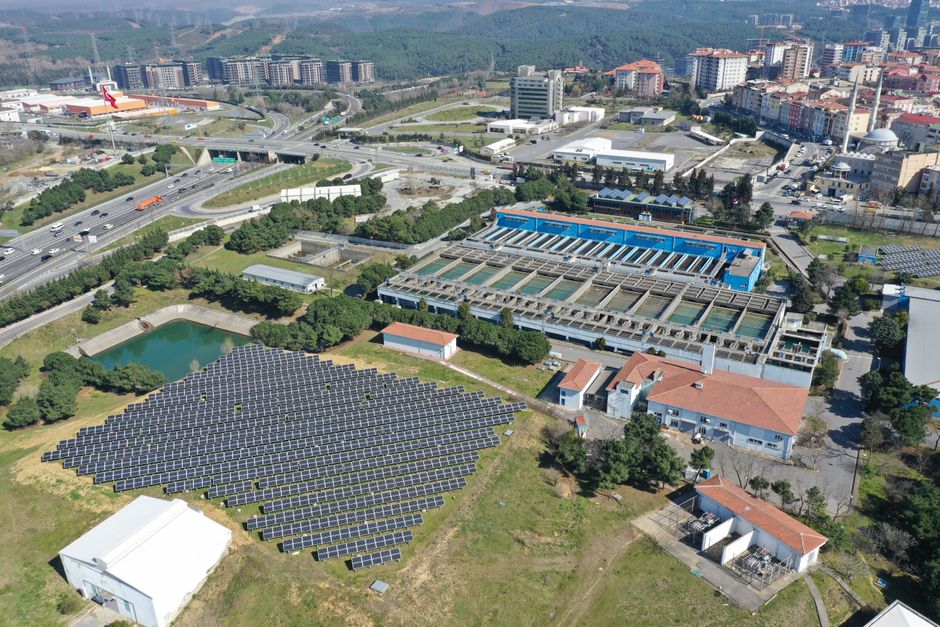
The Sur desalination facility in Oman has emerged as a significant example of how modern infrastructure can address global water scarcity. By integrating advanced membrane technology with renewable energy, the plant provides a reliable source of drinking water for the region. This facility currently produces 131,000 cubic meters of water daily, serving as a critical component of the nation's water security strategy. The project highlights a shift toward more efficient and environmentally conscious water production methods.
A key innovation at the Sur site is the implementation of the Barrel system, a modular device designed to optimize the desalination process. This technology utilizes nanofiltration and low-pressure reverse osmosis to purify seawater while significantly reducing energy consumption. By streamlining the filtration process, the system minimizes the environmental impact typically associated with large-scale desalination. This plug-and-play approach allows for greater operational flexibility and efficiency in water treatment.
The facility also demonstrates a commitment to decarbonization by operating entirely on solar energy during daylight hours. This transition to renewable power sources helps mitigate the high energy demands that have historically made desalination a carbon-intensive process. By pairing solar arrays with advanced filtration, the plant reduces its reliance on traditional electricity grids. This model offers a blueprint for other arid regions seeking to balance water needs with climate goals.
Water scarcity remains a pressing challenge for many countries, particularly in the Middle East where freshwater resources are limited. Veolia, the company managing the facility, notes that the region accounts for a substantial portion of global desalination capacity. As demand for potable water grows, the adoption of energy-efficient technologies becomes increasingly vital. The success of the Sur plant underscores the potential for technological breakthroughs to provide sustainable solutions.
Beyond the technical specifications, the project reflects a broader trend of investing in resilient water infrastructure. Governments and private entities are increasingly prioritizing research into desalination to prepare for a hotter and drier future. These efforts often involve testing new materials and processes to lower costs and improve performance. The integration of solar power into these systems is a central pillar of this ongoing evolution.
Similar initiatives are being explored globally to address water stress in diverse environments. From modular filtration systems in France to off-grid desalination projects in other parts of the world, the focus is on creating locally controlled and sustainable supplies. These projects aim to reduce dependence on imported water and strengthen community resilience against drought. Each innovation contributes to a growing toolkit for managing the world's water resources.
Looking ahead, the continued refinement of these technologies will be essential for scaling up production. Researchers are currently working on various methods to further reduce the energy footprint of water treatment processes. These advancements are supported by both public grants and private sector investment aimed at fostering long-term water security. The progress made at facilities like Sur provides measurable evidence that sustainable water management is achievable.
As these technologies mature, the focus will likely shift toward broader implementation and cost reduction. The goal is to make high-quality, desalinated water accessible to a wider range of communities, including those in isolated or resource-constrained areas. By proving the viability of solar-powered desalination, the Sur project sets a standard for future infrastructure developments. This approach demonstrates how engineering and environmental stewardship can work in tandem to solve complex social challenges.
Ask the Author
Subscribers can ask the journalist a question about this story. Subscribe to ask.
Neutralitätsvermerk
Auto-harvested from global news wires and presented neutrally by PENN.
to vote
Comments
No comments yet — be the first to share your thoughts.