Panama Canal Implements Shipping Reductions Amid Severe El Niño Drought
Water shortages in the vital trade artery force transit limits and rising auction costs for global shipping operators.
PENN Explainer
Hear this story explained in 90 seconds.
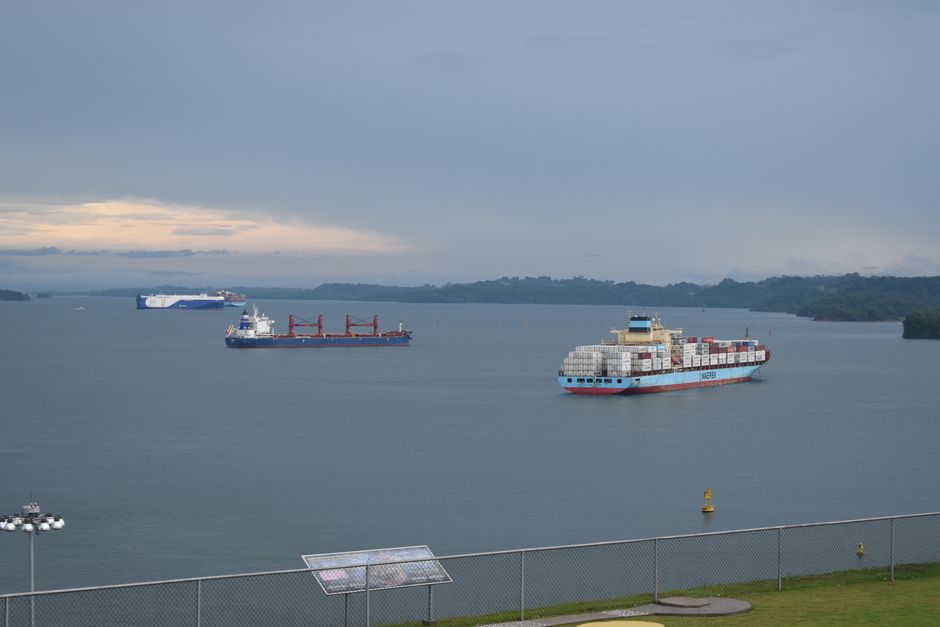
The Panama Canal Authority has announced a series of reductions in daily vessel transits as a severe drought, fueled by the El Niño weather phenomenon, continues to deplete water levels in the waterway's essential reservoirs. Starting in early September 2026, the number of ships permitted to pass through the canal each day began a phased decline from the standard 36 vessels. This strategic adjustment aims to manage the limited water supply in Gatun Lake, which serves as the primary reservoir for the canal's lock system.
Each transit through the Panama Canal requires approximately 52 million gallons of water to lift and lower ships between the Atlantic and Pacific oceans. Because the canal relies on rainfall to replenish its artificial lakes, the current lack of precipitation has created significant operational challenges. The Panama Canal Authority is closely monitoring weather patterns to ensure the long-term sustainability of the route while balancing the immediate needs of global trade.
As transit slots become scarcer, the cost for shipping companies to secure passage has risen sharply. Recent reports indicate that some operators are bidding nearly $4 million to jump the line at the Pacific entrance, marking a return to high-cost auction prices not seen since earlier this year. These surcharges, combined with potential delays, are creating financial pressure for international logistics firms that rely on the canal for efficient transport.
Beyond the reduction in daily transits, the authority has also implemented restrictions on the maximum draft of vessels. By limiting how deep a ship sits in the water, the canal can continue to operate even when lake levels are lower than normal. However, these draft limits force some carriers to reduce their cargo loads, which further impacts the overall volume of goods moving through the region.
The impact of these restrictions extends far beyond the immediate vicinity of Panama. Major users of the waterway, including the United States, China, Japan, Chile, and South Korea, are closely watching the situation as it affects global supply chains. Organizations such as the Caribbean Private Sector Organisation have warned that these disruptions could put billions of dollars in regional imports at risk by increasing freight rates and fuel costs.
This situation is compounded by broader challenges in international maritime trade. With other critical corridors like the Strait of Hormuz facing separate pressures, the global shipping industry is navigating a complex environment of climate-driven constraints and geopolitical instability. For many nations, the rising costs of maritime transport are beginning to influence the prices of essential goods, including food and energy.
Despite the current difficulties, the Panama Canal Authority has emphasized that it is applying lessons learned from previous droughts to manage the crisis. During the 2023-2024 period, the operator successfully utilized water-saving techniques such as double-locking, where two ships share a chamber, and advanced water recycling measures. These operational adjustments remain a core part of the current strategy to maintain flow.
Looking ahead, the authority continues to review its water management plans and weather projections on a regular basis. While some planned draft reductions have been delayed due to slight improvements in lake levels, the overall outlook remains cautious. The agency has stated that it does not rule out further restrictions if rainfall does not meet the necessary thresholds in the coming weeks.
For the global maritime industry, the situation at the Panama Canal serves as a reminder of the vulnerability of key trade chokepoints to changing climate patterns. As the El Niño phenomenon continues to influence weather across the isthmus, the focus remains on balancing the immediate necessity of transit with the long-term health of the canal's watershed. Stakeholders are now exploring alternative supply chain routes to mitigate the risks posed by these persistent water shortages.
Ultimately, the stability of the Panama Canal remains a priority for international commerce. The authority is committed to providing timely updates to shipping lines to help them plan their voyages and manage the costs associated with the current transit limitations. As the world watches, the effectiveness of these water management strategies will likely shape the future of maritime logistics in the region.
Ask the Author
Subscribers can ask the journalist a question about this story. Subscribe to ask.
Nota de neutralidad
Auto-harvested from global news wires and presented neutrally by PENN.
to vote
Comments
No comments yet — be the first to share your thoughts.