
Panama Canal Reduces Daily Transit Slots Due to Low Rainfall
Water scarcity in the canal watershed forces new restrictions on global shipping traffic starting September 3.
PENN Explainer
Hear this story explained in 90 seconds.
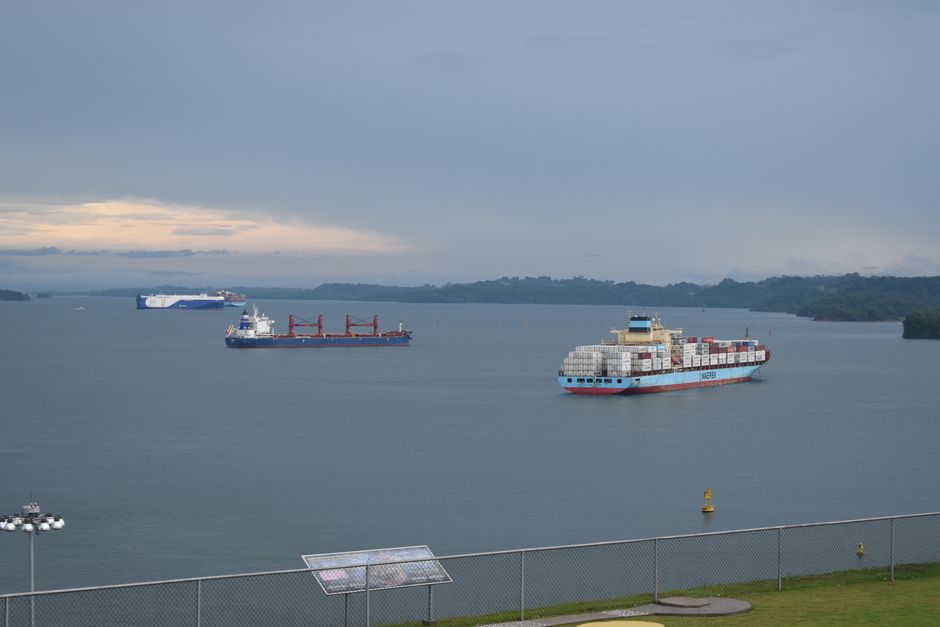
The Panama Canal Authority has officially announced a reduction in the number of daily vessel transit slots available for international shipping. This decision, confirmed on August 20, 2026, comes as a direct response to lower-than-expected rainfall levels within the canal's critical watershed. The new restrictions are scheduled to take effect on September 3, 2026, impacting one of the world's most vital maritime trade arteries. Officials noted that the move is necessary to manage water resources effectively during a period of climate-driven instability. By limiting the number of ships passing through the locks, the authority aims to conserve the freshwater required for canal operations. This is not the first time the waterway has faced such challenges, as changing weather patterns continue to affect regional water supplies. The Panama Canal serves as a primary shortcut for vessels traveling between the Atlantic and Pacific Oceans. Any disruption to its capacity can lead to significant delays for global supply chains and increased costs for shipping companies. Industry analysts are closely monitoring the situation to see how these transit limits will influence freight rates and scheduling. The authority has encouraged shipping lines to plan their voyages well in advance to avoid potential bottlenecks. While the reduction is a precautionary measure, it highlights the ongoing vulnerability of maritime infrastructure to environmental shifts. The Panama Canal Authority remains committed to balancing the needs of global trade with the realities of local water availability. Further updates regarding transit capacity will be provided as hydrological conditions evolve throughout the remainder of the year.
Ask the Author
Subscribers can ask the journalist a question about this story. Subscribe to ask.
Neutrality note
Auto-harvested from global news wires and presented neutrally by PENN.
to vote
Comments
No comments yet — be the first to share your thoughts.
Related stories in Oceanic/Maritime
Solomon Islands Advances Maritime Single Window Planning to Boost Port Efficiency
2026-09-30
Philippines Enacts New Maritime Laws to Strengthen Sovereignty in South China Sea
2026-09-30