Peruvian Communities Restore Water Security Through Traditional Llama Herding
High-altitude pastoral practices are helping local populations adapt to the impacts of melting glaciers in the Andes.
PENN Explainer
Hear this story explained in 90 seconds.
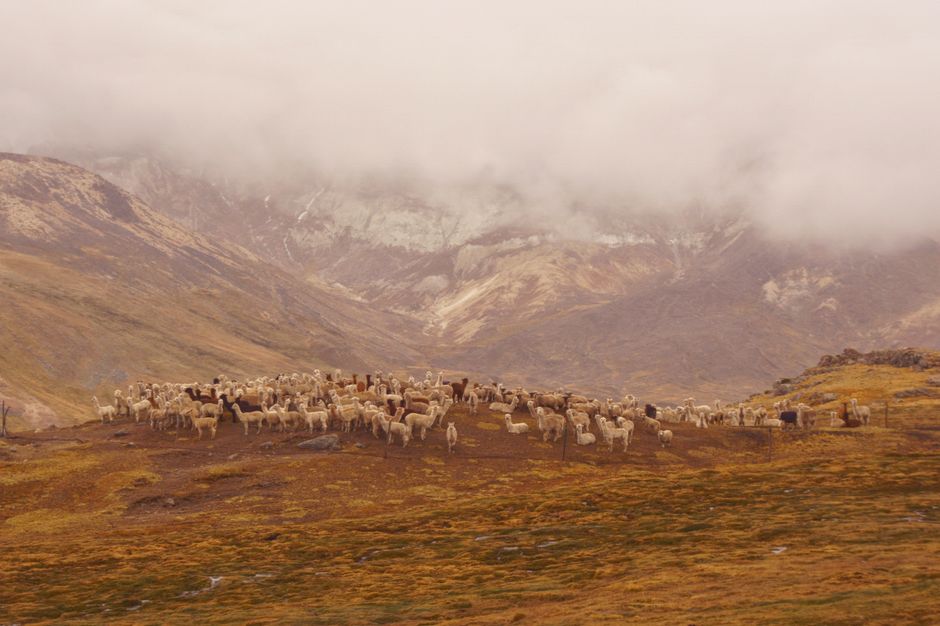
In the high-altitude regions of the Peruvian Andes, local communities are turning to ancestral knowledge to address the growing threat of water scarcity. As climate change accelerates the melting of glaciers, the natural water storage systems that have sustained these mountain populations for centuries are disappearing. To combat this, residents are reviving the traditional practice of llama herding to restore the health of high-mountain wetlands known as bofedales. These wetlands act as natural sponges, capturing and filtering water that eventually feeds into the streams and rivers used by downstream communities. By managing these landscapes through sustainable grazing, the communities are creating a resilient buffer against the loss of glacial runoff. The initiative is led by local herders who work in coordination with researchers to monitor the health of the ecosystem. Anaïs Zimmer, a researcher who has documented these efforts, notes that the presence of llamas helps maintain the vegetation that keeps the soil porous and capable of holding water. This collaborative approach combines indigenous wisdom with modern environmental science to ensure a steady water supply. The project has demonstrated measurable success in stabilizing water levels during the dry season. By preventing overgrazing and managing the movement of herds, the communities have seen a noticeable recovery in the density and quality of the wetland grasses. This restoration not only secures water for human consumption but also supports the biodiversity of the fragile alpine environment. The success of this model has drawn attention from environmental groups looking for scalable, nature-based solutions to climate-driven water stress. It highlights the importance of integrating local land-management practices into broader climate adaptation strategies. As the project continues, the participants are working to share their findings with other Andean communities facing similar challenges. This effort serves as a practical example of how community-led conservation can provide tangible benefits in the face of global environmental shifts. By valuing traditional ecological knowledge, these communities are successfully navigating the complexities of a changing climate.
Ask the Author
Subscribers can ask the journalist a question about this story. Subscribe to ask.
Neutralitätsvermerk
Auto-harvested from global news wires and presented neutrally by PENN.
to vote
Comments
No comments yet — be the first to share your thoughts.