Pew Research Center Report Highlights Shifting Global Religious Demographics
New data reveals significant growth in the global Muslim population alongside resilient but challenged Christian communities between 2010 and 2020.
PENN Explainer
Hear this story explained in 90 seconds.
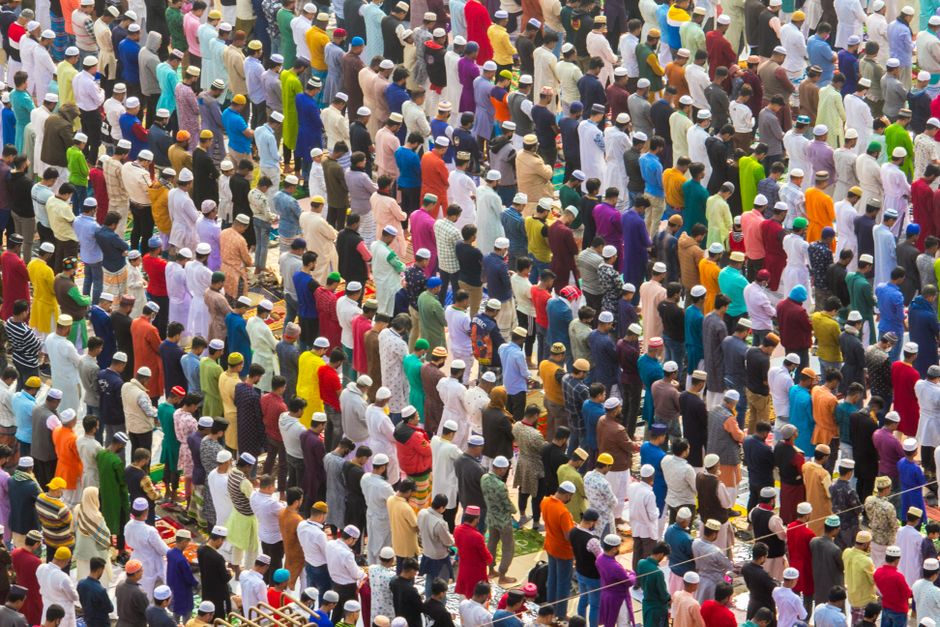
A comprehensive study released by the Pew Research Center on June 9, 2025, provides a detailed look at how the world's religious landscape changed over a ten-year period. The report analyzes data collected between 2010 and 2020, offering insights into demographic shifts and the evolving role of faith in society. Researchers noted that these trends reflect broader patterns of migration, fertility rates, and social change across different continents. The findings highlight a world where religious identity remains a central component of human life for billions of people. As the global population continues to grow, the study serves as a key resource for understanding the future of various faith traditions. One of the most notable findings in the report is the significant growth of the global Muslim population. Between 2010 and 2020, the number of Muslims worldwide increased by approximately 347 million people. This brings the total global Muslim population to roughly 2 billion, accounting for 25.6% of the world's total population. Analysts attribute this expansion primarily to higher fertility rates and a younger median age among Muslim populations in regions such as the Middle East, North Africa, and South Asia. While Islam is experiencing rapid growth, the report also examines the status of Christianity. Despite facing various challenges, including secularization in some parts of the world, Christianity remains resilient. The study specifically highlights the continued presence and influence of Catholic and evangelical communities globally. These groups continue to maintain significant numbers, though they are navigating a complex environment marked by shifting cultural norms. The report suggests that the interplay between these major religious groups will continue to shape geopolitical and social dynamics in the coming decades. The data also touches upon the rise of secularization, which is gaining ground in several developed nations. This trend represents a departure from traditional religious affiliation for many individuals, particularly in Western societies. Researchers emphasize that this does not necessarily mean a total decline in spirituality, but rather a change in how people express their beliefs. Understanding these shifts is essential for policymakers and religious leaders as they engage with increasingly diverse populations. The Pew Research Center report is expected to influence ongoing discussions about religious freedom and interfaith relations. By providing a clear picture of current demographics, the study allows for more informed dialogue regarding the needs and concerns of different faith communities. Experts suggest that such data is vital for fostering mutual understanding in a globalized world. The findings underscore the importance of respecting diverse belief systems as societies become more pluralistic. As the world moves forward, the intersection of religion and public life remains a dynamic and evolving field of study. The report concludes that while demographic trends are clear, the future of religious practice will depend on a variety of social, political, and economic factors. Observers will likely continue to monitor these developments to see how they impact international relations and local community life. The study serves as a reminder of the enduring significance of faith in the human experience.
Ask the Author
Subscribers can ask the journalist a question about this story. Subscribe to ask.
নিরপেক্ষতা নোট
Auto-harvested from global news wires and presented neutrally by PENN.
to vote
Comments
No comments yet — be the first to share your thoughts.
Related stories in Religion & Belief

Global Religious Leaders Call for Stronger Safeguards in South Korea
2026-09-28
President Dallin H. Oaks Delivers Landmark Address on Religious Freedom at Washington National Cathedral
2026-09-27