Philippines Communities Repurpose Plastic Waste into Floating Trash Traps
Local residents in Kasanyangan are building innovative barriers from recovered plastic to clean waterways and protect coastal ecosystems.
PENN Explainer
Hear this story explained in 90 seconds.
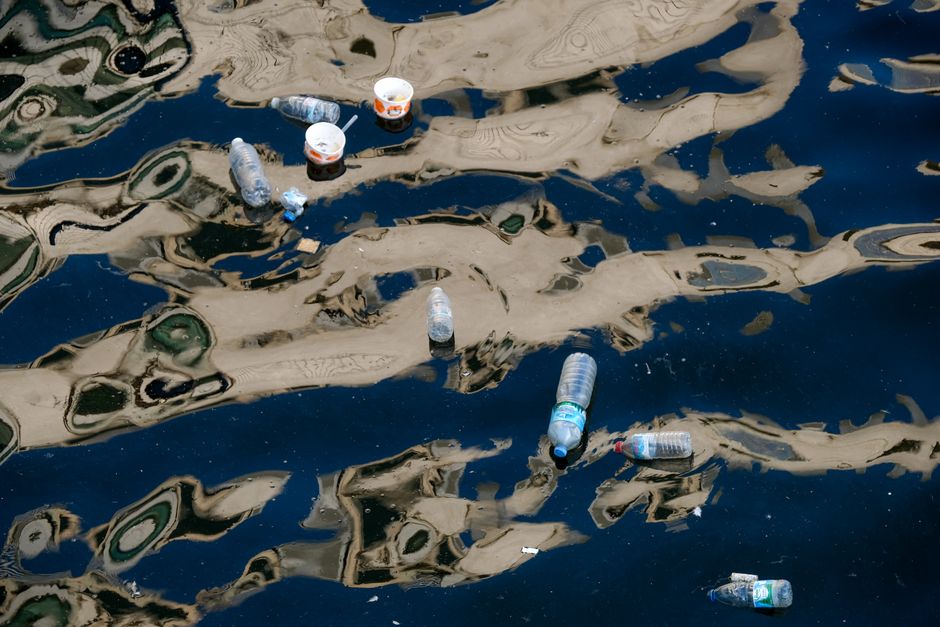
Residents in the Kasanyangan community of the Philippines are addressing local pollution through a grassroots initiative that turns plastic waste into environmental protection tools. By constructing Floating Trash Traps, or FTTs, the community is actively preventing debris from entering sensitive coastal wetlands. This project demonstrates how local innovation can transform a persistent waste management problem into a functional solution for ecosystem restoration. The initiative is part of a broader effort to improve environmental health through community-led action and nature-based strategies.
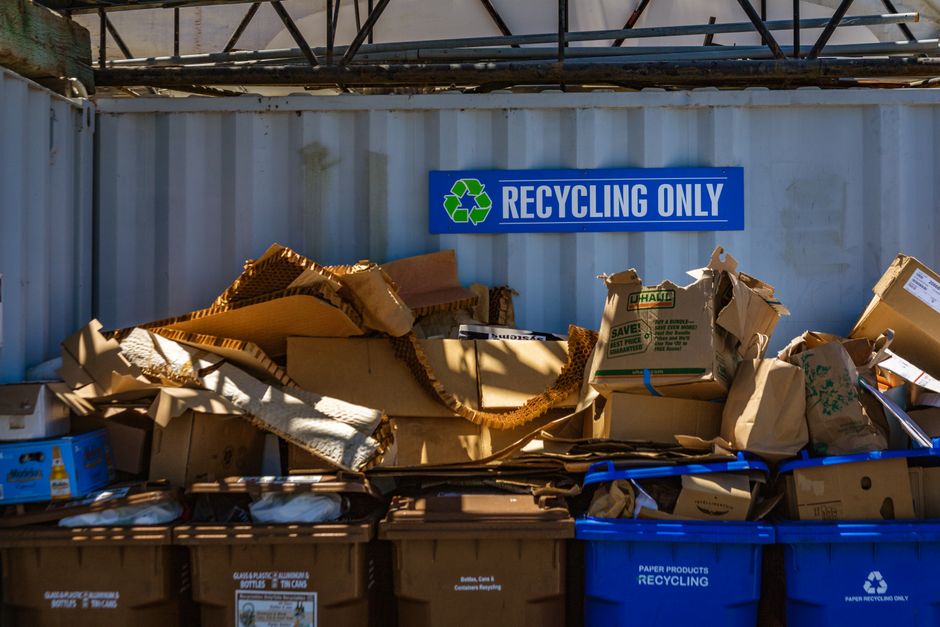
Local leaders emphasize that these efforts are essential for maintaining the natural resources that support their livelihoods. The FTTs are built entirely by community members using plastic bottles recovered during local clean-up activities and processed through a Material Recovery Facility. This circular approach ensures that waste is not merely collected but repurposed into practical barriers that catch floating debris before it reaches the ocean. By utilizing materials already present in the environment, the project minimizes costs while maximizing the utility of recycled goods.
The success of these traps relies on the consistent participation of residents who manage the collection and construction processes. Beyond the physical traps, the community has established savings groups to support the long-term sustainability of these environmental projects. These groups provide the financial structure necessary to maintain the equipment and expand the scope of local conservation efforts. Mohammad Khan, the Barangay Secretary of Kasanyangan, noted that the project aims to strengthen community-led solutions and support local leaders in sustaining these initiatives for future generations.
The integration of waste management with wetland restoration provides a model for other coastal regions facing similar pollution challenges. By focusing on evidence-based, nature-based solutions, the residents are creating a measurable impact on the cleanliness of their local waterways. The project highlights the effectiveness of empowering local populations to design and implement their own environmental safeguards. As the initiative continues to evolve, organizers plan to expand the use of these traps to cover larger areas of the coastline.
This expansion will likely require continued collaboration between local residents, non-governmental organizations, and regional partners to ensure the longevity of the infrastructure. The ongoing work in Kasanyangan serves as a practical example of how community-driven innovation can address complex environmental issues at the local level.
Ask the Author
Subscribers can ask the journalist a question about this story. Subscribe to ask.
Nota di neutralità
Auto-harvested from global news wires and presented neutrally by PENN.
to vote
Comments
No comments yet — be the first to share your thoughts.